
Glut1 Deficiency Summit Speakers
Dallas 2024
We're delighted to be welcoming the esteemed speakers to meet, share, and learn with us at the Glut1 Deficiency Summit. Learn more about them:
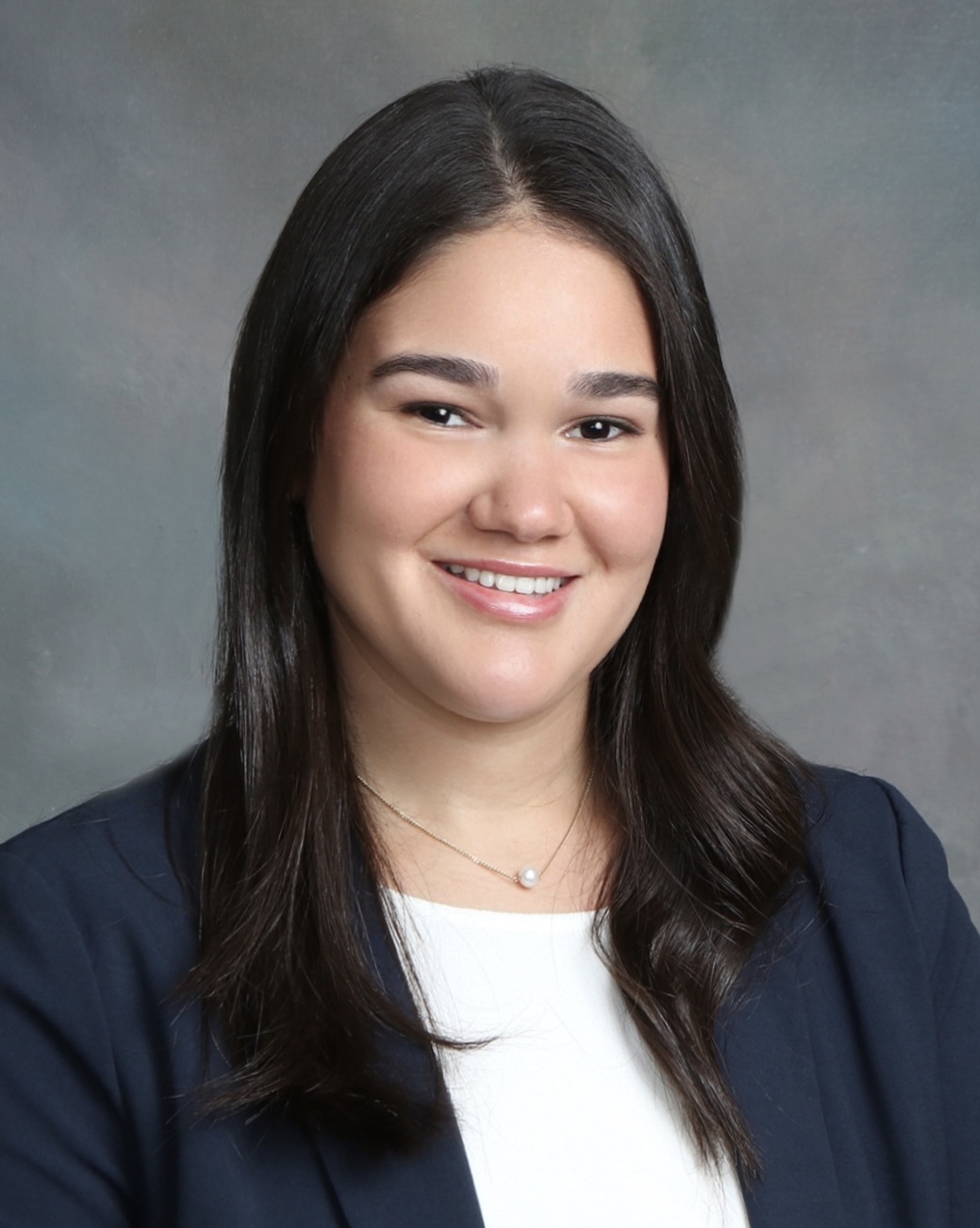
Chantal Sanchez
Glut1 Deficiency FoundationChantal Sanchez is in charge of Special Projects for the Glut1 Deficiency Foundation. She assists with patient communications, patient and family engagements, research projects, and is very involved with the Glut1 Hispanic community. She holds a BA in Biology from Columbia University where she worked with Kris Engelstad and Dr. Darryl De Vivo. Chantal currently works in pediatric clinical research.
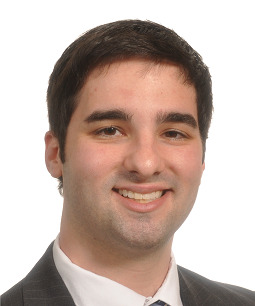
Christopher Webb, MD
UT Southwestern
Christopher Webb, MD
UT Southwestern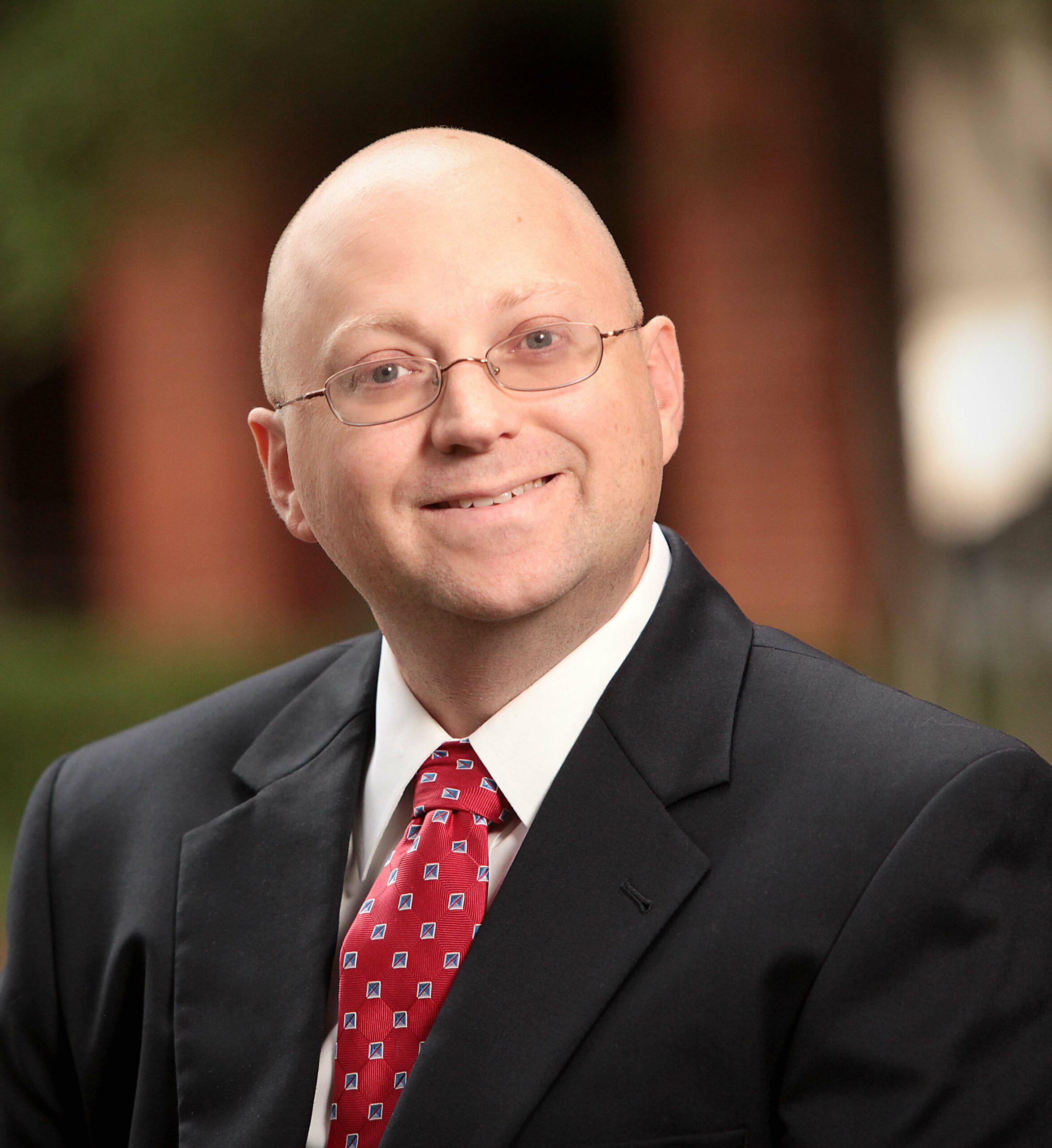
Ron Hall, PharmD, MSCS
Texas TechDr. Hall serves as the program director for the Dose Optimization and Outcomes Research (DOOR) program. The DOOR program focuses on providing evidence to optimize the dosing and outcomes of medications for special populations. Dr. Hall’s work has resulted in over 70 peer-reviewed publications. He has collaborated on grants funded by the Cancer Prevention and Research Institute of Texas, National Institutes of Health, Laura W. Bush Institute for Women’s Health, as well as the pharmaceutical industry. Dr. Hall was selected as a National Institutes of Health Clinical Research Scholar in 2006 and received the 2008 Young Alumni Award from the St. Louis College of Pharmacy.
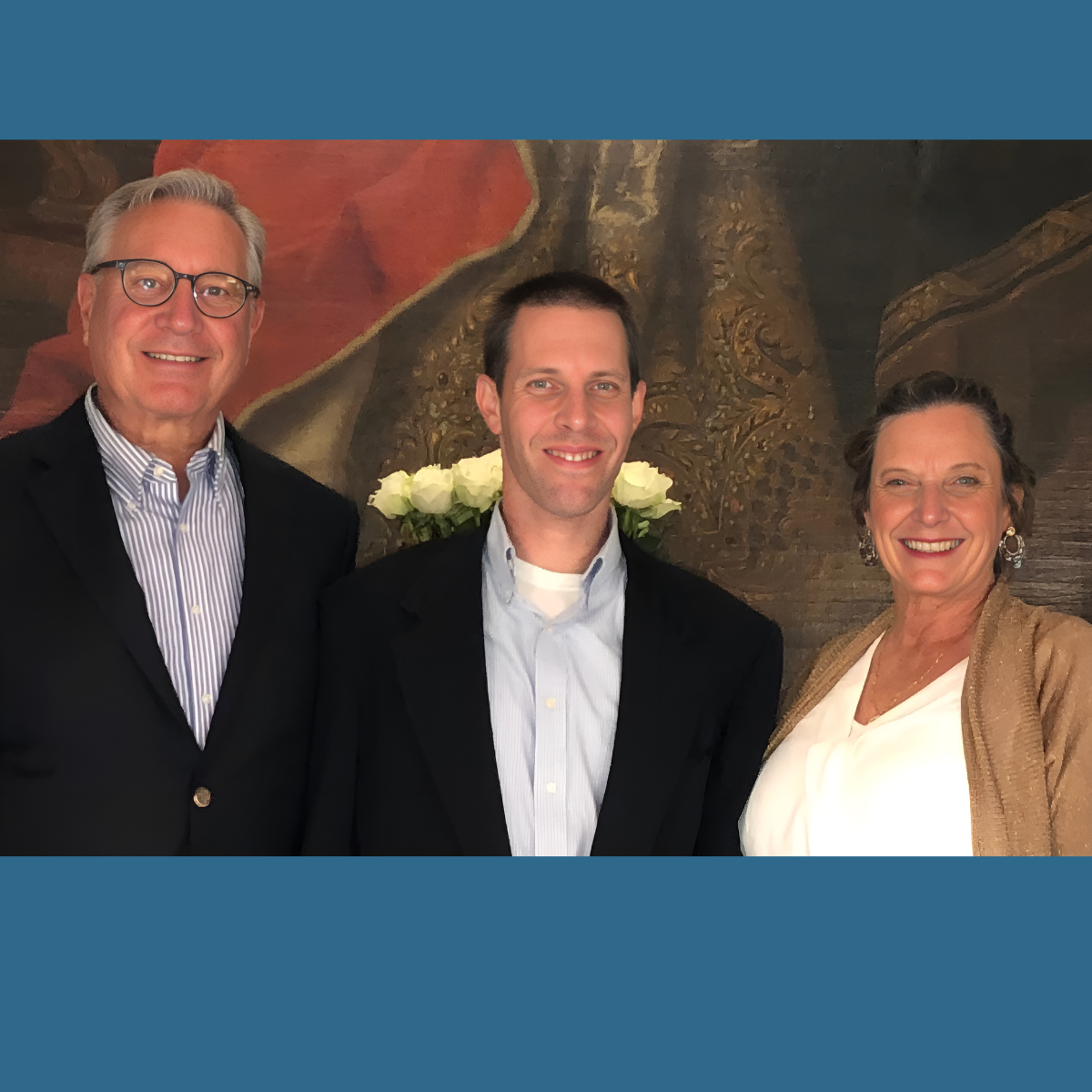
Jim and Pat Hemlock
Glut1 Deficiency ParentsJim and Pat Hemlock have raised three sons and they now have 2 daughter-in-laws and 5 grandchildren. Their youngest, Drew, was diagnosed with Glut1 Deficiency in 2000 at age 15. They worked closely with the researchers participating in many studies in the past and Drew continues to help everyone with Glut1 through the donation of his tissues to the Pascual Lab and COMBINEDBrain organization for research.
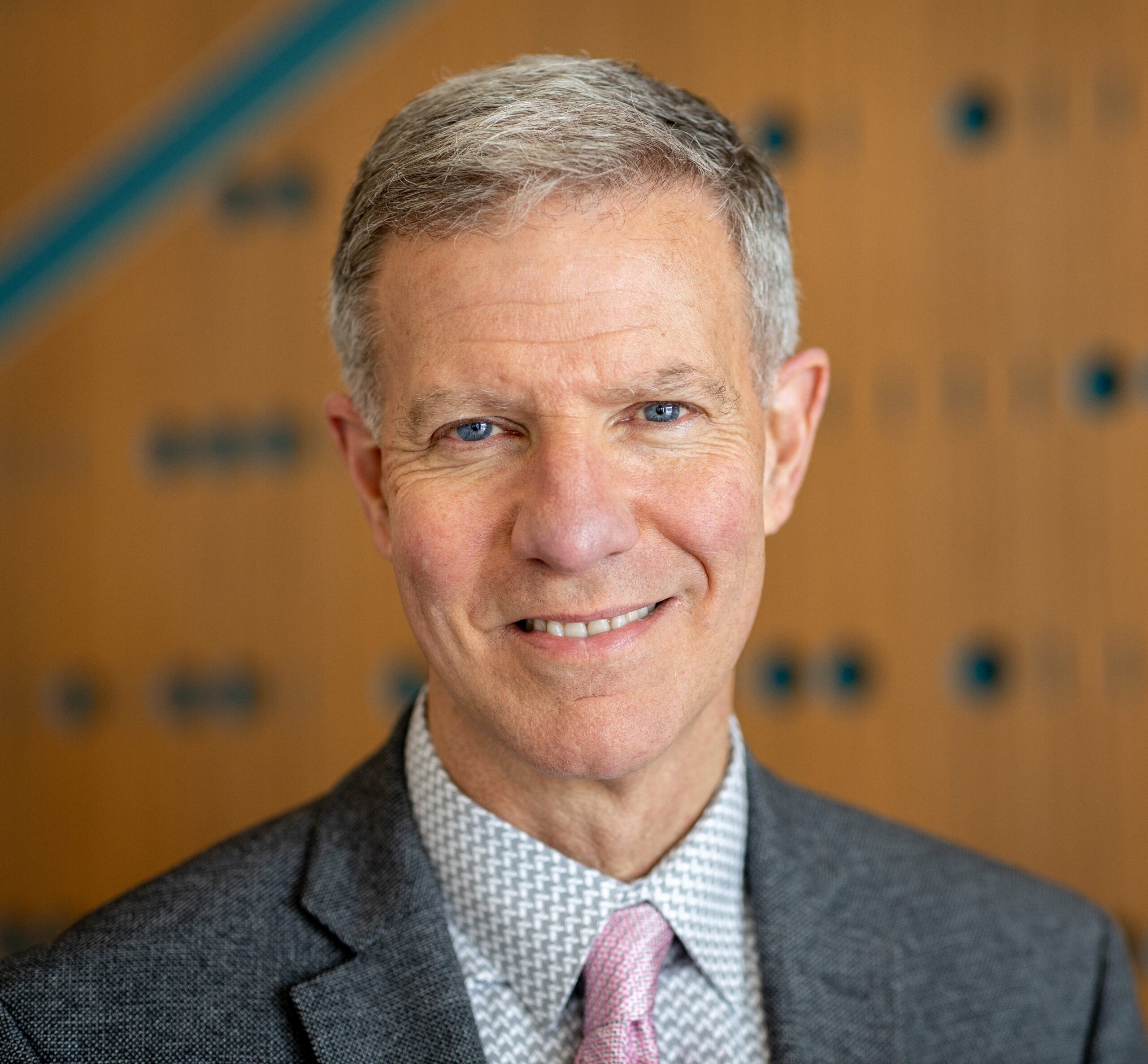
Joseph J. Pancrazio, PhD
UT DallasJoseph J. Pancrazio has a 30+ year career spanning academia and federal government working at the interface of bioscience and engineering. He earned a B.S. degree in Electrical Engineering from the University of Illinois, Urbana, in 1984, and M.S. and Ph.D. degrees in Biomedical Engineering from the University of Virginia, Charlottesville, in 1988 and 1990, respectively. Currently, he serves as Vice President for Research and Innovation (VPRI) and Professor of Bioengineering at UT Dallas. In his role as VPRI, he oversees research funding, grants and contracts; campus research facilities and information systems; technology commercialization and licensing; venture development “incubator” facilities; and research compliance. In addition, he supports an innovative seed grant program, one of the largest in the state of Texas, aimed at catalyzing collaborative research ventures aimed to distinguish UT Dallas and grow federal research. As Professor of Bioengineering, he is “research active” with multiple NIH grants and a productive publication record. Dr. Pancrazio’s research focuses on the development of novel neural interface technology, which is used to understand and influence the brain and nervous system for the purposes of improving human health. Prior to joining UT Dallas in 2015 as Associate Provost, he served as the founding chair of Bioengineering at George Mason University in Fairfax, VA. Before arriving at Mason in 2008, he was with federal government as a Material Scientist at the US Naval Research Laboratory and as the Program Director for Neural Engineering at the National Institutes of Health (NIH) in Washington, DC. In 2011, Dr. Pancrazio was elected to the College of Fellows in the American Institute for Medical and Biological Engineering, a distinction reserved for the top 2% of professionals in the field. In 2023, he was elected to the Board of Directors for the Oak Ridge Association of Universities.
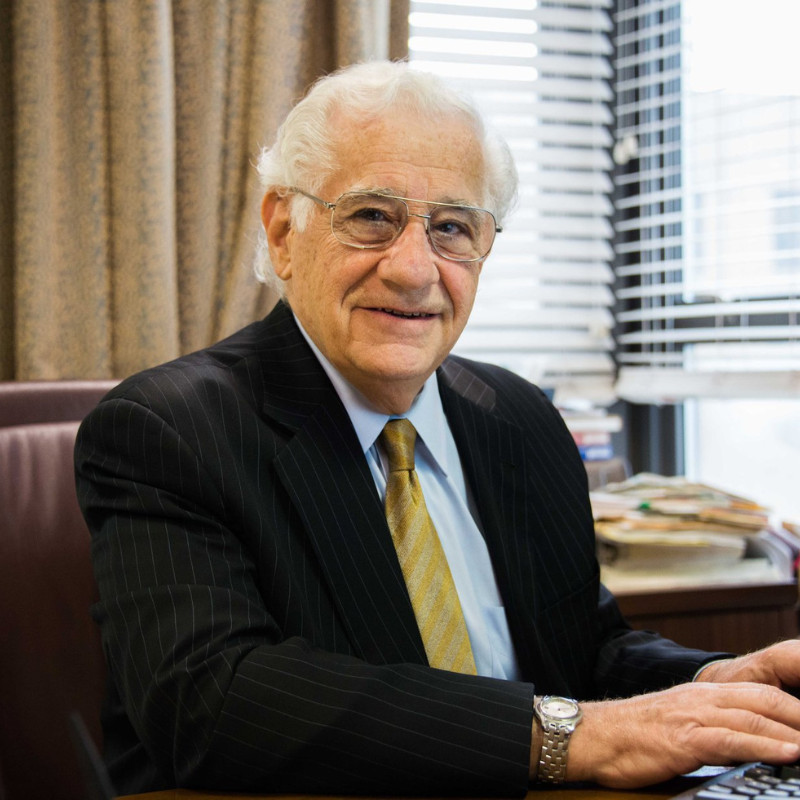
Darryl De Vivo, MD
Columbia University EmeritusDarryl C. De Vivo MD
Founding Director of the Colleen Giblin Research
Laboratories for Pediatric Neurology
The Neurological Institute of New York
Columbia University Irving Medical Center
710 West 168th Street, Suite 201
New York, New York 10032-3784
Tel: 212-305-5244
Dr. De Vivo served as the Sidney Carter Professor of Neurology, Professor of Pediatrics, and Director Emeritus (1979-2000) of the Pediatric Neurology Service at Columbia University Medical Center in New York City. Dr. De Vivo received his MD Degree from the University of Virginia Medical School. Residency training in Medicine, Pediatrics, Neurology and Pediatric Neurology followed at Harvard, National Institutes of Health and Washington University. He then joined the Medical School Faculty at Washington University and over the next decade was promoted from Assistant Professor to Professor as he developed his clinical research skills in neurochemistry, metabolic diseases and neuromuscular disorders. He joined the Columbia University Faculty in 1979 as the Sidney Carter Professor of Neurology and Pediatrics and Director of the Pediatric Neurology Service. Currently he continues to fulfill his duties as Founding Director, Colleen Giblin Research Laboratories; Founding Director, Pediatric Neuromuscular Disease Center, Co-Director of the Center for Motor Neuron Biology and Diseases (MNC) and Associate Chairman (Neurology) for Pediatric Neurosciences. Dr. De Vivo was a Director for Neurology and President of the American Board of Psychiatry and Neurology, Secretary of the American Academy of Neurology, and President of the Child Neurology Society. He has published more than 500 original articles and reviews, lectures extensively in the U.S. and abroad, serves on several editorial boards and advisory committees, and is a former associate editor for Rudolph’s Textbook of Pediatrics. He is a current editor of “Neuromuscular Disorders in Infancy, Childhood and Adolescence: A Clinician’s Approach”, recognized as the standard reference in the field. Dr. De Vivo receives funding from the NIH, DOD, SMA Foundation, MDA, Hope for Children Research Foundation, Milestones for Children, Glut1 Deficiency Foundation and the Will Foundation. He served as the Director for the PNCR Clinical Trials Network for SMA and he oversaw several other sponsored clinical trials involving rare diseases such as MELAS, spinal muscular atrophy, muscular dystrophy and Glut1 Deficiency.
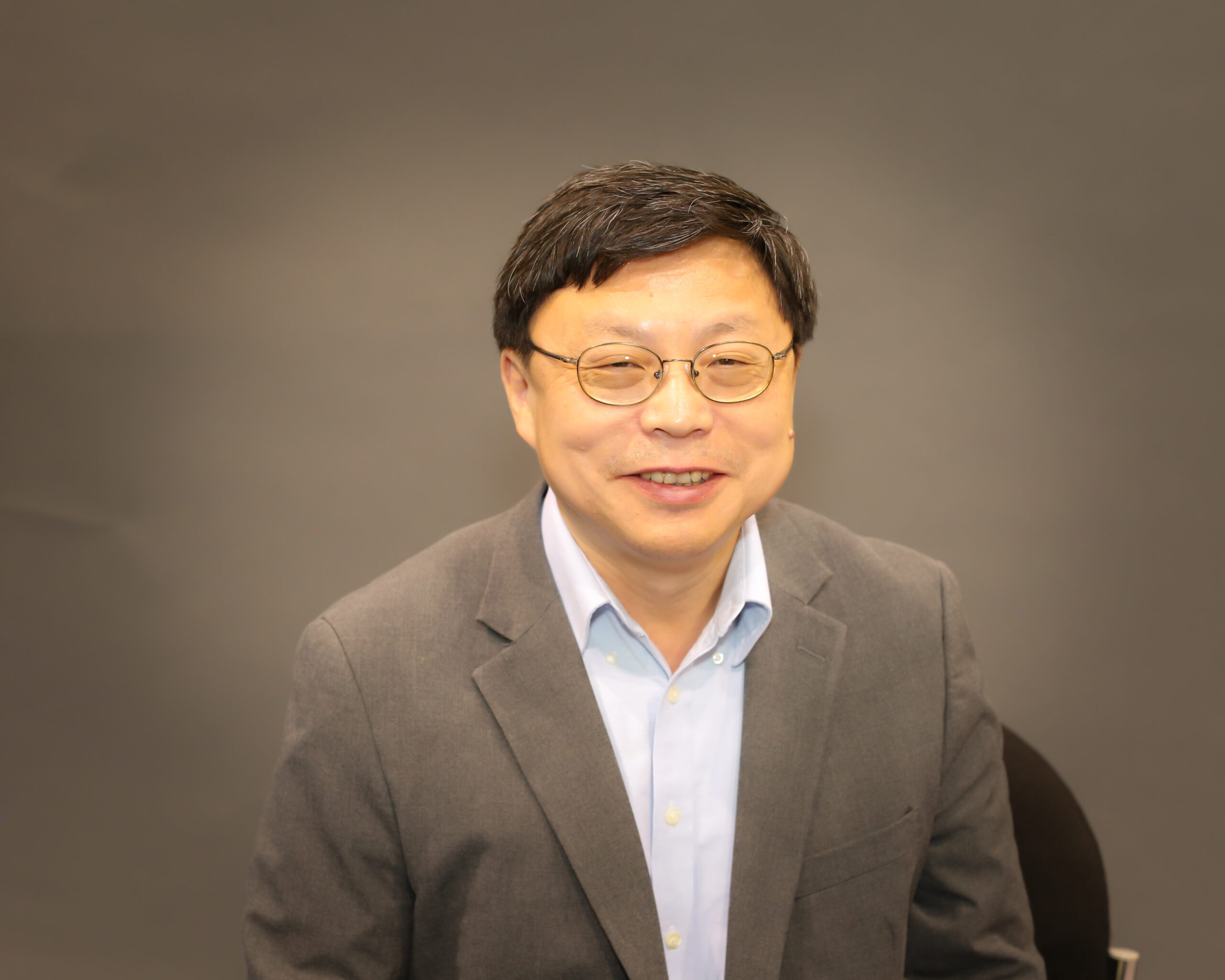
Jianzhong Su, PhD
University of Texas at ArlingtonDr. Jianzhong Su, Professor and Chair of Mathematics at University of Texas at Arlington, is an applied mathematician with expertise in computational neuroscience and differential equations. He is an experienced researcher, educator, and academic leader. He has served as PI/co-PI on over $10 million federal research, education and training projects from the National Science Foundation, US Department of Agriculture, National Institutes of Health, US Department of Education and other agencies over the last 25 years, published over 80 peer-reviewed journal papers and been invited to over 80 seminars and conferences, and graduated over 10 math Ph.D. students. His recent focus is data science in agriculture, EEG source reconstructions and brain dynamics, and inverse problems with applications in optical tomography. He has collaborated extensively with other scientists, engineers and medical doctors to pursue research in data-driven discovery and mathematical modeling in biomedical engineering, clinical science, neuroscience, agriculture and other areas.
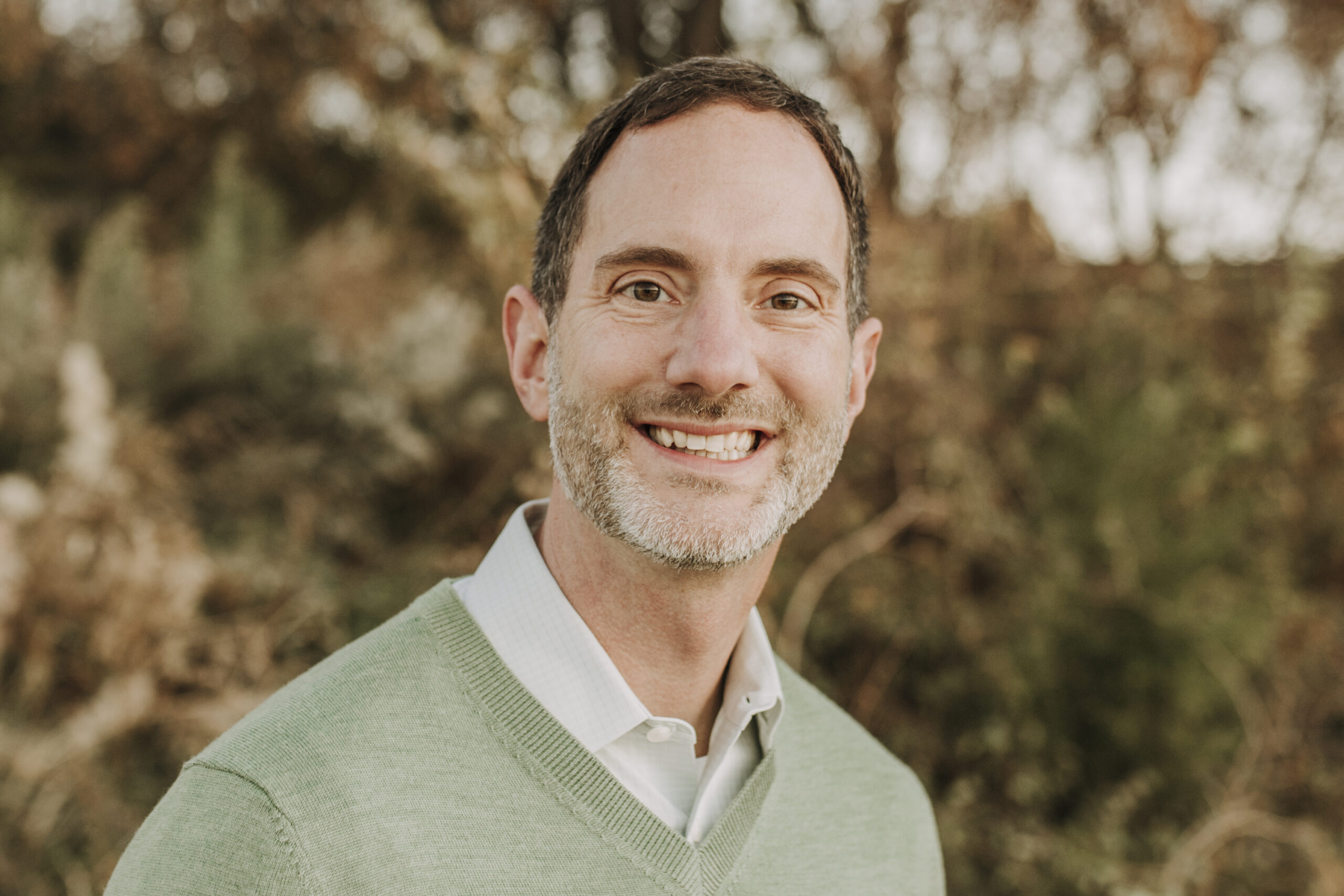
Trey Putnam, PhD
Texas Tech University Health Sciences CenterDr. Putnam attended Pittsburg State University where he graduated Summa Cum Laude with a Chemistry major. He was also an NSF-undergraduate research fellow at the University of Oklahoma where he conducted research in X-ray crystallography under Prof. Dick van der Helm. Dr. Putnam then attended Washington University in St. Louis where he earned a M.S. and a Ph.D. in Organic Chemistry under Prof. James K. Bashkin. His research focused on the design and development of artificial ribonucleases as potential novel infectious disease therapeutic agents. Dr. Putnam then moved to the Midwest Research Institute where his research focused on drug development of experimental therapeutics. Additionally, Dr. Putnam held multiple grants to study biomarkers of polycystic kidney disease, catalytic antibodies, and artificial ribonucleases. Dr. Putnam then took a position with Cardinal Health’s Scientific and Regulatory Consulting Division where he provided drug development/regulatory consulting to numerous pharmaceutical companies. Dr. Putnam eventually assumed the role of general manager and was responsible for all strategic, managerial, and operational aspects of the business. In 2016, Dr. Putnam moved to TTUHSC’s School of Pharmacy as a full Professor where he remains today. Dr. Putnam still consults with multiple pharma/biotech companies on all aspects of the drug development continuum.
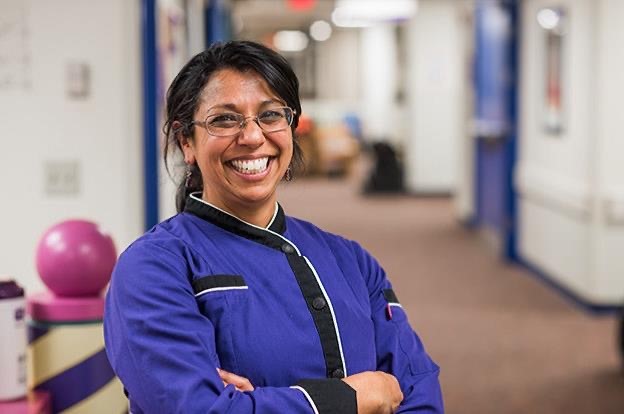
Rachel Finn
Children's Mercy Hospital - Kansas CityRachel Finn (chef/educator) works in tandem with clinical providers to convert the science of nutrition into the art of cooking with patients at the hospital’s Comprehensive Epilepsy Center, Genetic, Kidney Center, Hospital Hunger Free Council, and other specialties. She has created original recipes for the ketogenic, low protein and renal diets to help patients and families turn recipes into more than words on paper. She’s also presented research and posters focusing on the impact of ketogenic diet through hands on cooking class/support group on ketogenic diet families. Other studies include diet cost analysis for patients with GLUT-1 deficiency and piloting a cooking class for patients with epilepsy focusing on safety and confidence with kitchen skills
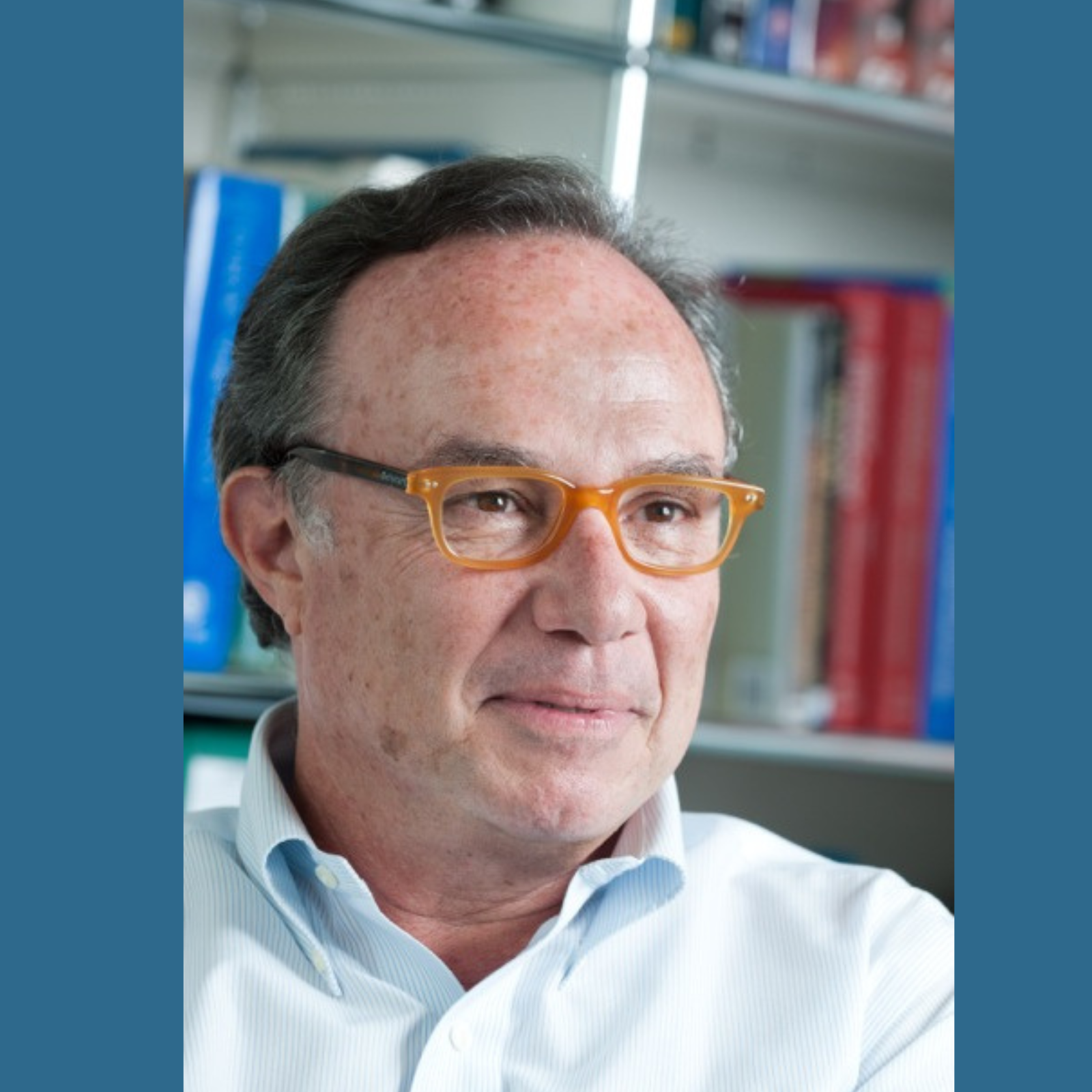
Pierre Magistretti, MD, PhD
KAUST, EPFL, GliaPharmPierre J. Magistretti, MD (University of Geneva) and PhD (UCSD) is Professor Emeritus at the Brain Mind Institute at EPFL and at the Departments of Psychiatry at University of Lausanne and University of Geneva. He is also Distinguished Professor at the Division at Biological and Environmental Sciences and Engineering at KAUST. Pierre Magistretti’s laboratory has discovered some of the cellular and molecular mechanisms that underlie the coupling between neuronal activity and energy consumption by revealing the key role that glial cells, in particular astrocytes, play in this physiological process. He is the co-founder of GliaPharm, a spin off from his laboratory that targets glial cells for the treatment of neurodevelopmental and neurodegenerative disorders.
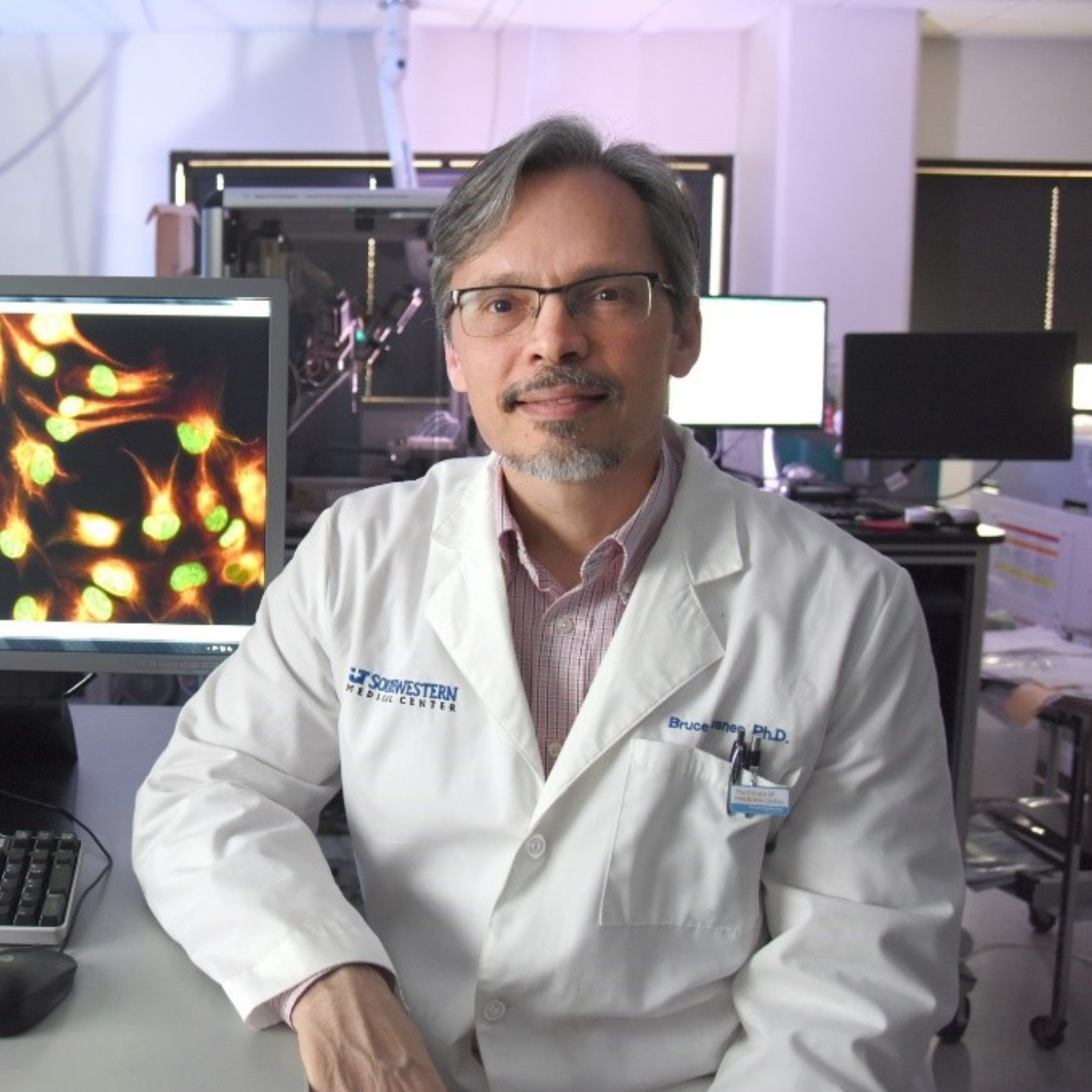
Bruce Posner, PhD
UT SouthwesternBruce Posner, Ph.D. received his B.A. in Chemistry with honors from the University of Chicago (1987) and his Ph.D. from Pennsylvania State University (1994) under the mentorship of Professor Stephen Benkovic. He did a NIH-funded post-doctoral fellowship with Professor Alfred Gilman at U. T. Southwestern Medical Center. He joined Pfizer in 1999 as a senior research scientist, where he focused on high throughput screening and pre-clinical drug discovery. He was promoted to senior principal scientist in 2003. He received the Pfizer Discovery Recognition Award in 2004. During his tenure at Pfizer, he led over 60 HTS campaigns and contributed to the identification of over 20 leads, two candidate compounds that reached clinical trials, and two approved drugs (Xeljanz & Geodon). He joined the UT Southwestern faculty as an Associated Professor in 2009 and directs the High Throughput Screening Core Facility. His group is focused on the discovery and the early stage, pre-clinical development of new small molecule therapeutics and supporting the identification and characterization of novel biological targets and pathways for therapeutic intervention in a variety of diseases. In this regard, he works closely with principal investigators at UT Southwestern on turning new insights in biology and the pathology of disease into pre-clinical drug and target discovery programs.
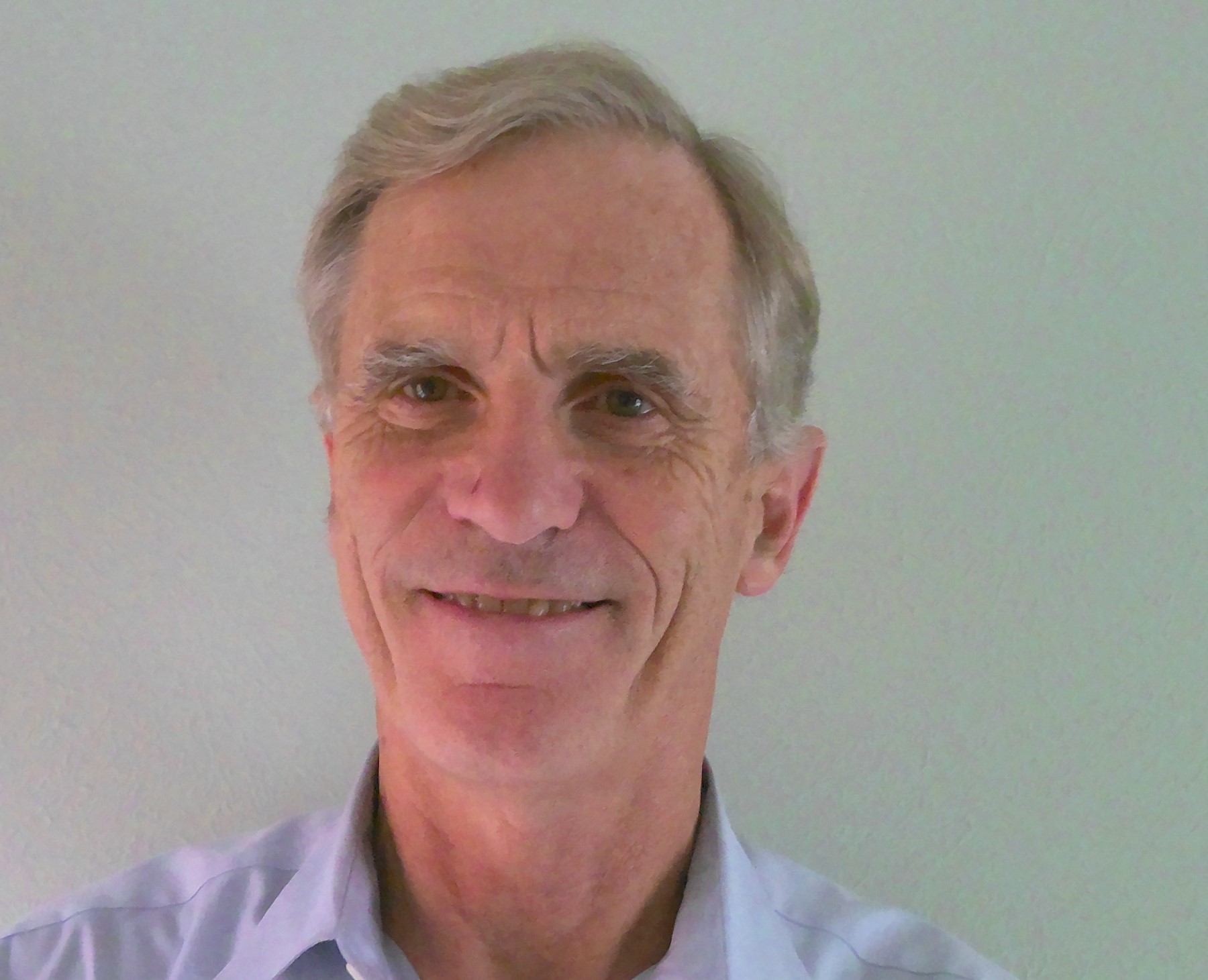
Stuart Cogan, ScD
University of Texas at DallasDr. Cogan is Professor of Bioengineering at The University of Texas at Dallas, where he conducts research on neural electrical stimulation and recording with an emphasis on thin-film electrodes, materials, and devices. His current research focuses on the development of multielectrode arrays based on amorphous silicon carbide and the application of ultra-microelectrodes as neural interfaces to the brain and peripheral nerve. Dr. Cogan received a B.Sc. degree in mechanical engineering and a M.S. degree in materials science from Duke University in 1975 and 1977, respectively. He obtained a Sc.D. from the Massachusetts Institute of Technology (MIT) in 1979.
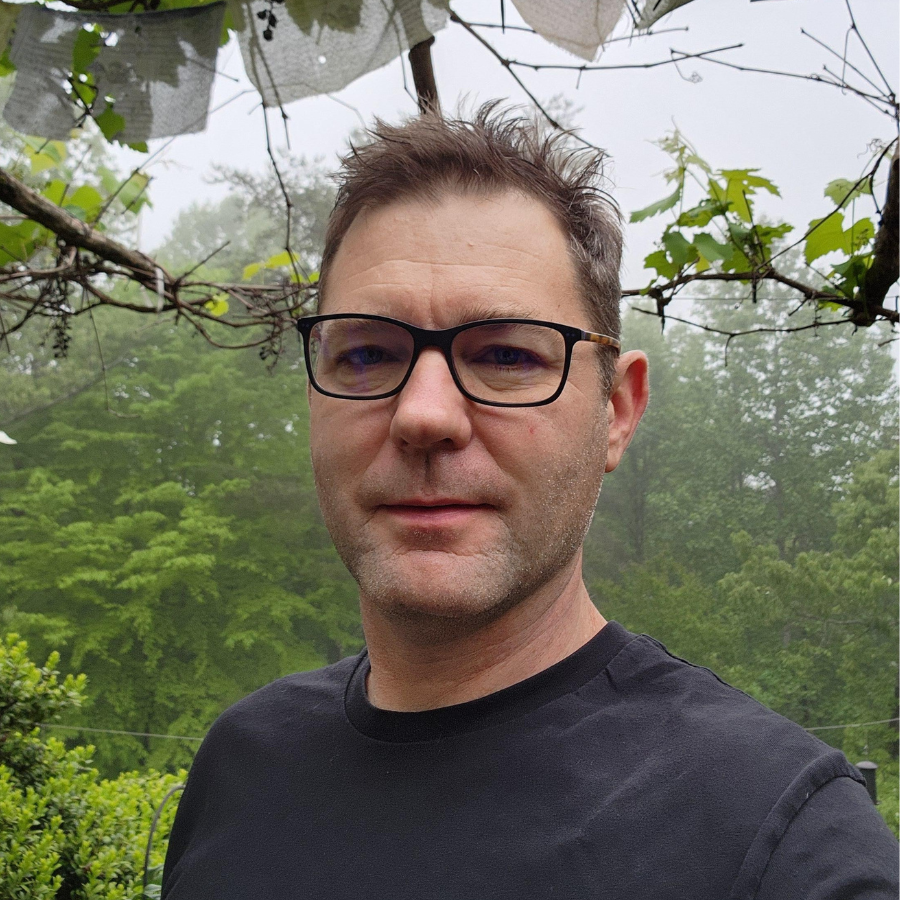
Mark Beenhakker, PhD
University of VirginiaMark Beenhakker received his PhD from the University of Pennsylvania, and then worked as a postdoc with John Huguenard at Stanford University. The Beenhakker lab aims to understand how the brain generates complex electrical signals, and how these signals are used to process information. The lab uses electrophysiological, anatomical and computational approaches to resolve these questions.
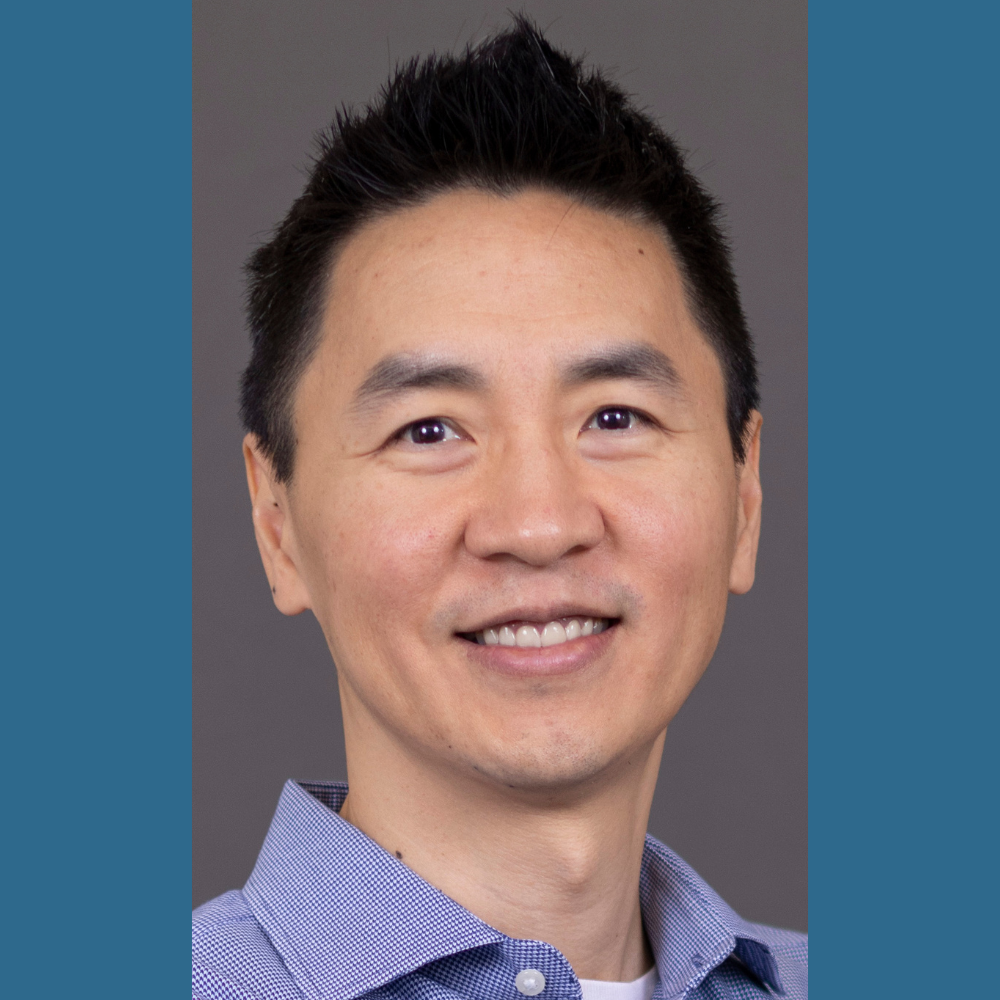
Richard Wang, MD, PhD
UT SouthwesternDr. Wang grew up in Houston and received his B.S. from Stanford University. He completed his Ph.D. thesis with Professor Titia de Lange at The Rockefeller University and his M.D. from Weill Cornell Medical College. After a clinical residency in dermatology, he completed a postdoctoral fellowship with Professor Beth Levine at UT Southwestern in Dallas. In his independent lab, Dr. Wang studies glucose transport and metabolism, including their impact on skin biology and disease.
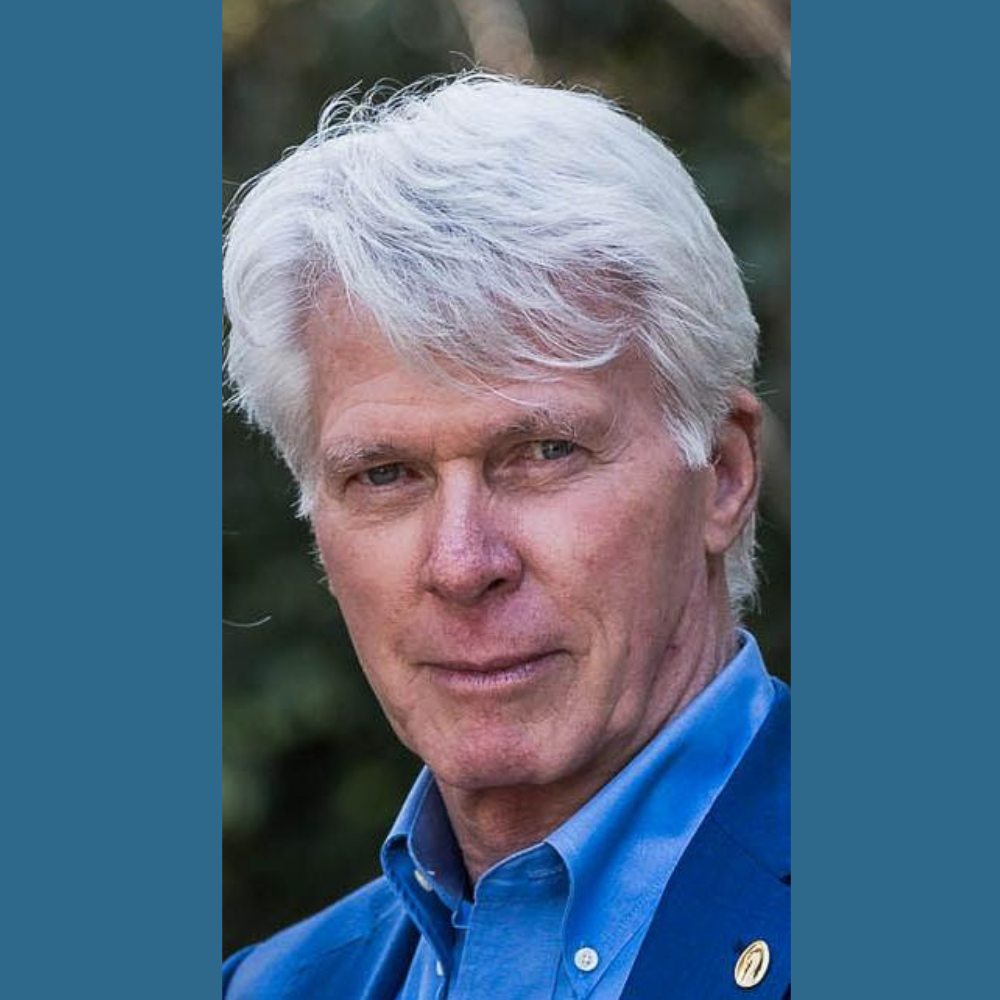
Hudson H. Freeze, PhD
Sanford Burnham PrebysHudson H. Freeze, PhD
Director, Human Genetics Program and Sanford Children's Health Research Center
Sanford Burnham Prebys Medical Discovery Institute (SBP)
La Jolla, CA USA
Dr. Freeze has worked on rare human diseases for over 45 years – the last 28 focused on identification and understanding of Congenital Disorders of Glycosylation (CDG), which now number 200. He collaborates closely with physicians, families and their support organizations and regularly consults on cases while still tracking the genetic basis of multiple patients with unknown glycosylation defects. He recently showed that GLUT1 can also transport the sugar L-fucose at low micromolar concentrations. Prior to his 28 years at SBMRI, Dr. Freeze was a member of the UCSD School of Medicine faculty. He isolated the first extreme thermophile, Thermus aquaticus (Taq), for which he won the 2013 Golden Goose Award.
Maria Rebbecchi
Glut1 Deficiency FoundationMaria Rebbecchi is mom to Dominic, who was diagnosed with Glut1 Deficiency in 2013, at the age of 3. She resides in New Jersey with Dominic, her husband Tom, and daughter, Iris. Dominic has successfully been on the ketogenic diet for 10 years and has seen many improvements in his symptoms but still faces many challenges in everyday life. Motivated by her son’s challenges and diagnosis, Maria quickly became involved with the G1DF and was driven to help others who had gone through what she had experienced. Maria has been volunteering for the Glut1 Deficiency Foundation since 2014 and joined the Board of Directors in 2017. Maria is a registered nurse with 18 years experience in specialties such as ER and Urgent Care nursing. Maria’s passion is to help advocate for earlier diagnosis, spread awareness of Glut1 Deficiency, and support Glut1 families in need.
Alice Ann Holland, PhD, ABPP
UT SouthwesternDr. Holland is an Adjunct Associate Professor in Psychiatry at UT Southwestern Medical Center (UTSW) in Dallas, TX. Prior to entering private practice, she was employed at Children’s Medical Center Dallas for over a decade. For the majority of that time, she was the Research Director for the Neuropsychology Service and collaborated with Juan Pascual, M.D., Ph.D. on several multi-year research projects examining the neuropsychological outcomes of experimental treatments for G1D. Dr. Holland is a Fellow of the American Psychological Association and the National Academy of Neuropsychology. She served as President of the Texas Psychological Association in 2019 and has been elected to serve as President of the National Academy of Neuropsychology in 2025. She has been the recipient of numerous awards for her clinical and scholarly work. Dr. Holland continues to lead an active research lab investigating sociocultural, genetic, and intrapersonal factors influencing neurocognitive outcomes in medically complex children, adolescents, and young adults.
Rajagopal V. Sekhar MD
Baylor College of MedicineDr. Sekhar is an Endocrinologist with a special interest in alternations in metabolism affect brain health, cognition, aging and diabetes. He leads a translational research team which is focused on understanding and reversing how glutathione deficiency and oxidative stress result in mitochondrial dysfunction, inflammation, insulin resistance, and aging hallmarks, and has developed a novel nutraceutical intervention termed GlyNAC to promote healthy aging. He has also investigated key defects in metabolism and mitochondrial function in diabetes and HIV infection, and currently leads two randomized clinical trials focused on the metabolism of Alzheimer’s Disease.
Levi Good, PhD
UT DallasDr. Good completed his PhD in biomedical engineering from Arizona State University in 2007. He holds a BS in electrical engineering with a bioengineering option from the University of Wyoming. Dr. Good has over ten years of teaching experience at both the undergraduate and graduate levels. He has taught biomedical engineering, neurology and neuroscience courses at UT Dallas and Louisiana Tech University. His collaborative research is aimed primarily at bridging the junctions between neuroscience, neurology and engineering to solve complex problems related to abnormal neuron function (epilepsy, metabolism, stroke, dementia), and the instrumentation necessary to record and the signal processing measures to make sense of how abnormal processes within the neuronal systems result in human disorders to determine how we may eventually provide therapies.

Sandra Ojeda, PhD
Glut1 Deficiency FoundationSandra holds a BS in Microbiology from Universidad de los Andes in Colombia, a MS in Biochemistry and Molecular Biology from Universitat Autonoma de Barcelona in Spain and a PhD in Microbiology and Immunology from UT Health Science Center in San Antonio. She has worked on cancer research at MD Anderson Cancer Center and more recently, she has taught science at a private school and worked at her daughter’s elementary school. Sandra and her family, husband Juan Manuel and daughter Sofia Mar, have lived in Katy, Texas since 2006. Sofia Mar was diagnosed with Glut1 Deficiency in 2012 at age 3 at Texas Children’s Hospital in Houston.
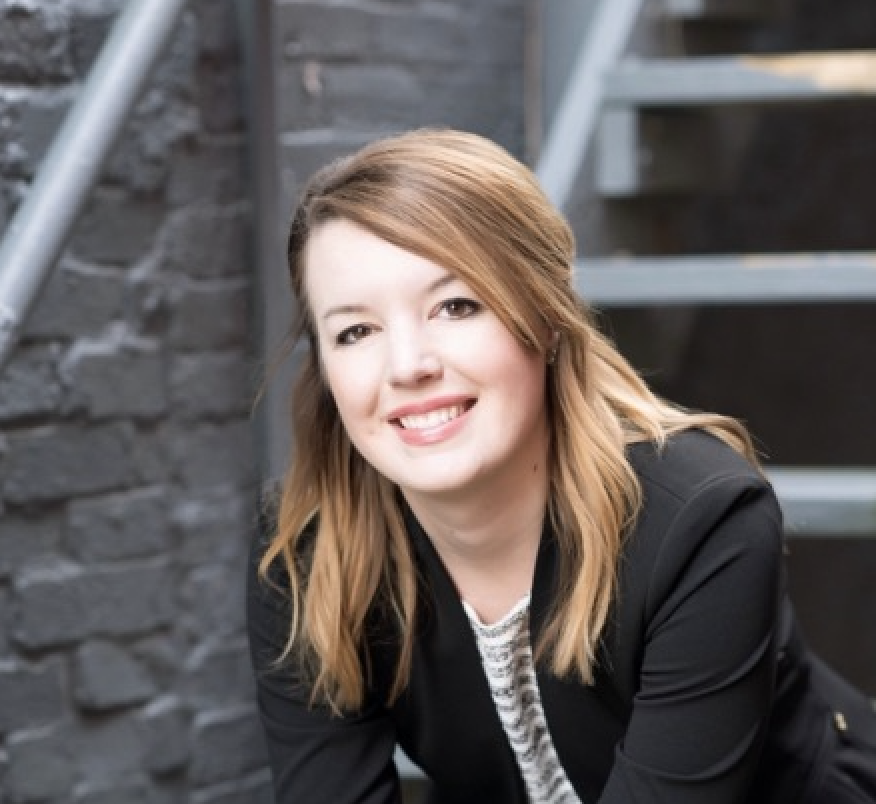
Dana Pottschmidt MSW, LCSW
Glut1 Deficiency FoundationDana earned a Bachelors of Social Work from the University of Indianapolis and her Masters of Social Work from Indiana University. She has served various roles within direct support, employment services, and behavioral supports for those with intellectual and developmental disabilities. Dana is Registered Behavioral Consultant in the state of Indiana. She is currently working as a Behavioral Support Specialist at Opportunities for Positive Growth, Inc. where she works to increase independent living and social skills for those she supports. Dana hosts the Overcomers Zoom meetings for adults with Glut1 and also the Super Heroes for teens and pre-teens, and she provides services for the G1DF’s Bright Horizons behavioral support project.
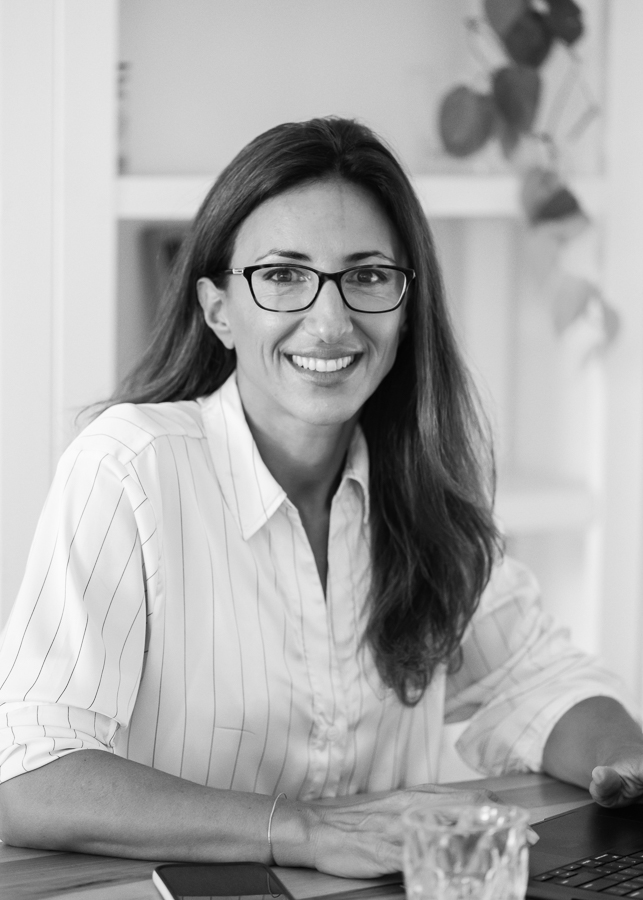
Marisa Armeno, MD, PhD
University of Buenos AiresDr. Armeno is a pediatrician specialized in child nutrition from the University of Buenos Aires. She has more than 15 years of experience in metabolic ketogenic therapy and in the follow-up of pediatric and adult patients with Glut 1 deficiency. She did her PhD in ketogenic therapies focusing on the implementation and long term clinical management of patients in this therapy. She is currently Executive member and part of the board of trustees of INKS and since this year she is chair of the Education Committee of this international scientific society.
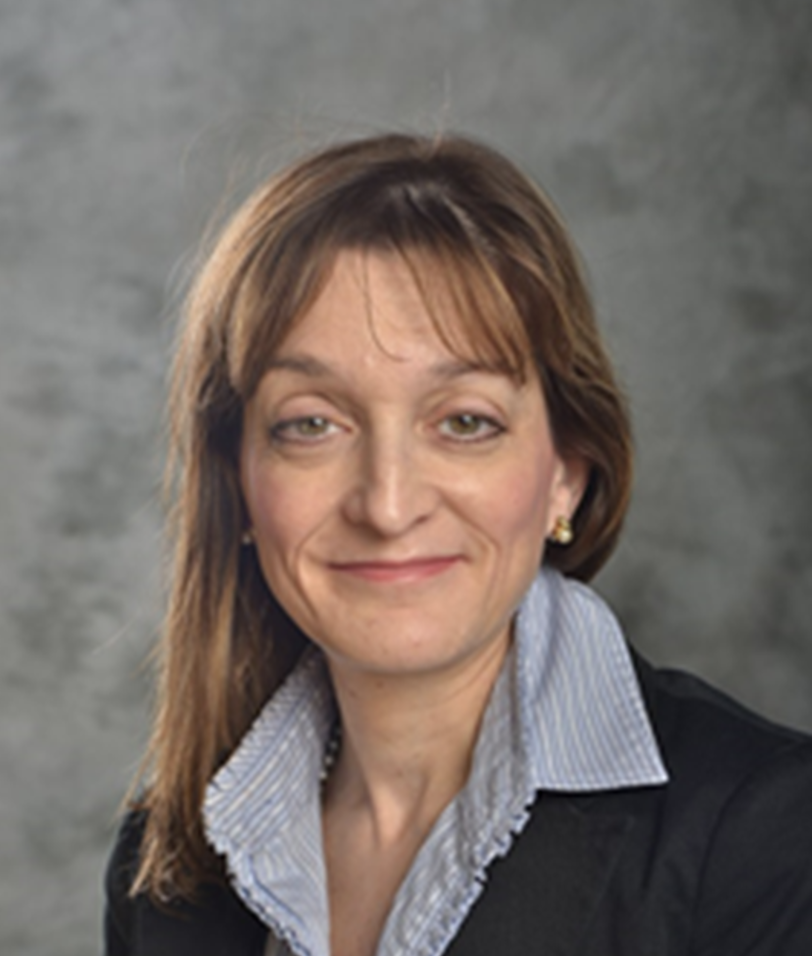
Andrea Gropman, MD
Children's National HospitalAndrea Gropman, MD, FAAP, FACMG, FANA, is Division Chief of Neurodevelopmental Disabilities and Neurogenetics and interim director of the Center for Genetic Medicine Research at the Children’s National Hospital and the Principal investigator of the Urea Cycle Disorders Consortium. She is also the deputy clinical director of the Mito EpiGen research collaborative and Director of the Clinical Translational Core of the Intellectual Disabilities and Developmental Disabilities Research Center at CNH. She served as the chair of the steering committee of the Rare Disease Clinical Research Network (RDCRN) that brings together more than 20 rare disease consortia. She serves as the chair of the neurogenetics special interest group for the American Neurological Association and is the co chair elect of the Neurogenetics SIG for the American Academy of Neurology. She is fellowship trained and board certified in neurology/child neurology, clinical and biochemical genetics, and developmental disabilities. In August of 2006, she joined the neurology department of Children’s National Medical Center and the George Washington University School of Medicine and in 2013 was promoted to professor with tenure. Dr. Gropman’s research interest focuses on establishing biomarkers of neurological injury in patients with inborn errors of metabolism such as urea cycle disorders and mitochondrial disorders using specialized multimodal neuroimaging and cell markers. She has authored or coauthored more than 250 peer review articles, contributed to >20 book chapters and served as editor to >6 textbooks. She maintains an active research portfolio while also serving as division chief and mentor for student, trainees, and faculty at all levels. She has a hobby in screen writing and has worked on 4 screen plays. She has dedicated her career towards translational research to better characterize and understand the underpinnings of neurological injury in urea cycle disorders, their impact on complex cognitive functions and establishing neuromonitoring protocols that can be implemented universally in clinical settings to improve patient outcomes and quality of life. She is also very involved in understanding the neurocognitive phenotypes of several chromosome disorders such as Smith Magenis syndrome and the X,Y chromosomes disorders. Her research and clinical involvement in these conditions has spanned over 20 years of her career.
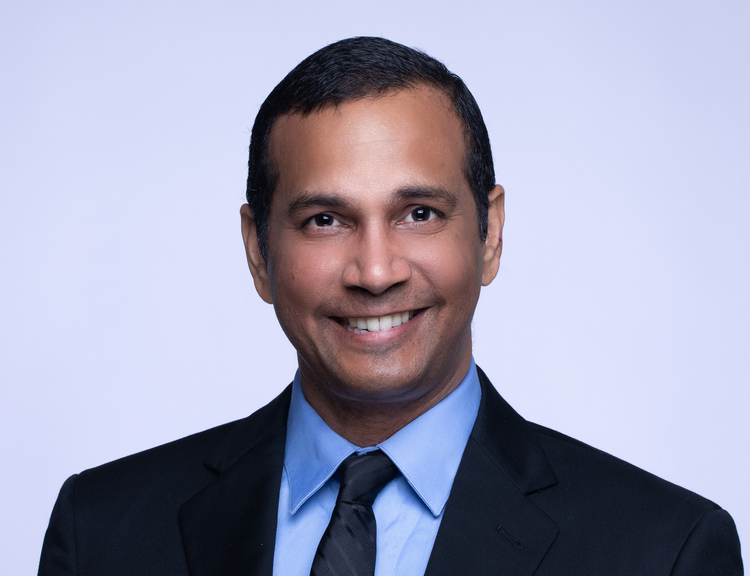
Vikram Jakkamsetti, MD
Weill Cornell MedicineAfter an M.B.B.S and then an M.D. (Internal Medicine) in India, Vikram worked through first understanding behavior-responsive gene-driven changes at the neural network level (Ph.D with Michael Kilgard Lab), then at the synapse (Kimberly Huber Lab), before applying garnered skills in a lab gene-deficit model and related human clinical trial to treat energy metabolism disorders (Juan Pascual Lab).
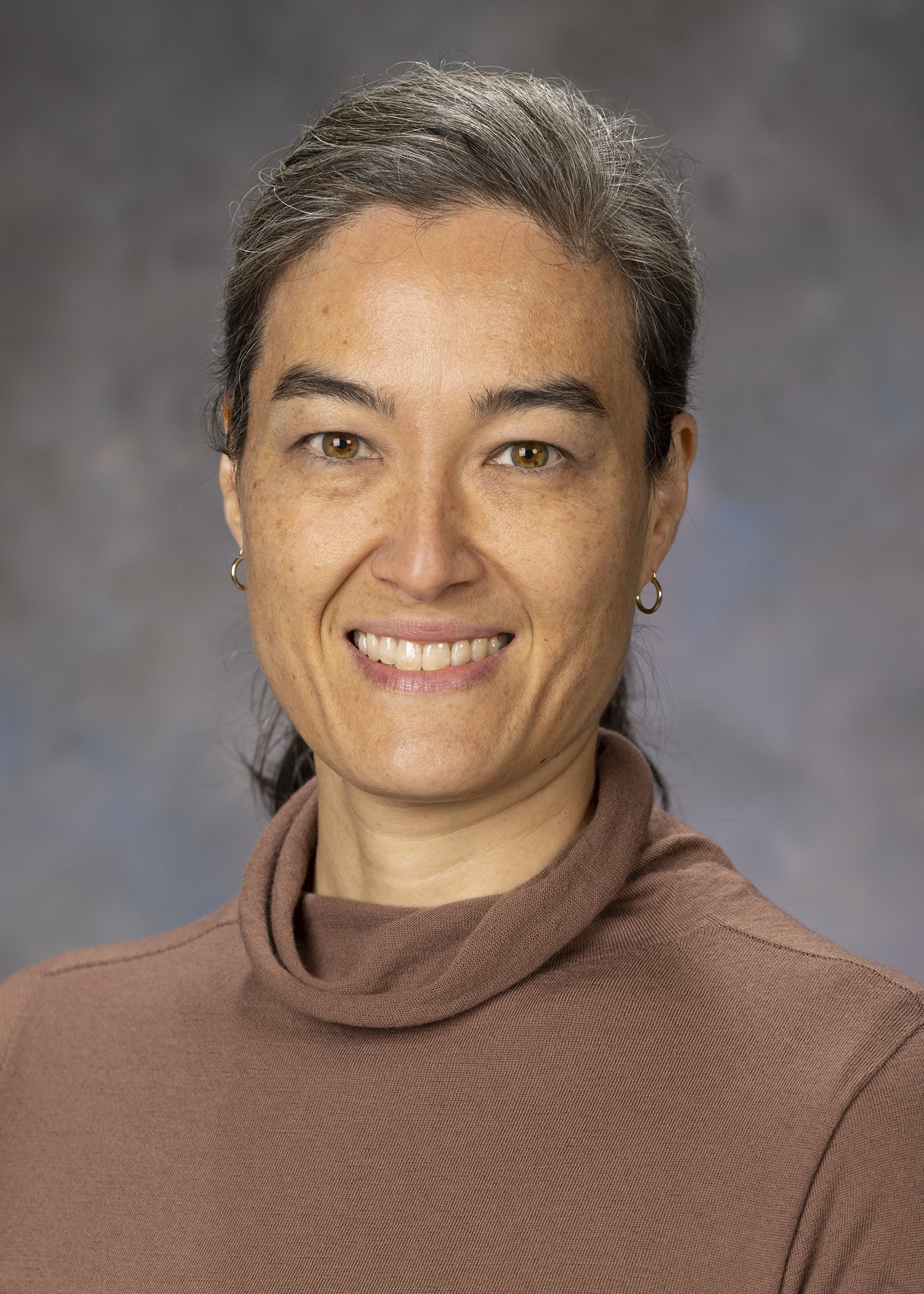
Toni Pearson, MD
Nationwide Children's HospitalToni Pearson is a pediatric movement disorders specialist. Originally from Australia, Toni obtained her medical degree from the University of Adelaide. After completing pediatrics training in Australia and Canada, she pursued residency and fellowship training in child neurology and movement disorders at Columbia University in New York. From 2016-2022 she directed the program for Pediatric Movement Disorders and Cerebral Palsy at Washington University in St. Louis and St. Louis Children’s Hospital. In 2022 she joined the faculty of Nationwide Children’s Hospital and The Ohio State University. Her clinical research focuses on the characterization and treatment of rare neurogenetic conditions associated with childhood motor disorders, including neurotransmitter disorders and Glut1 deficiency syndrome. She is a Co-Investigator on an ongoing NINDS-sponsored clinical trial assessing midbrain delivery of gene therapy to treat AADC deficiency.
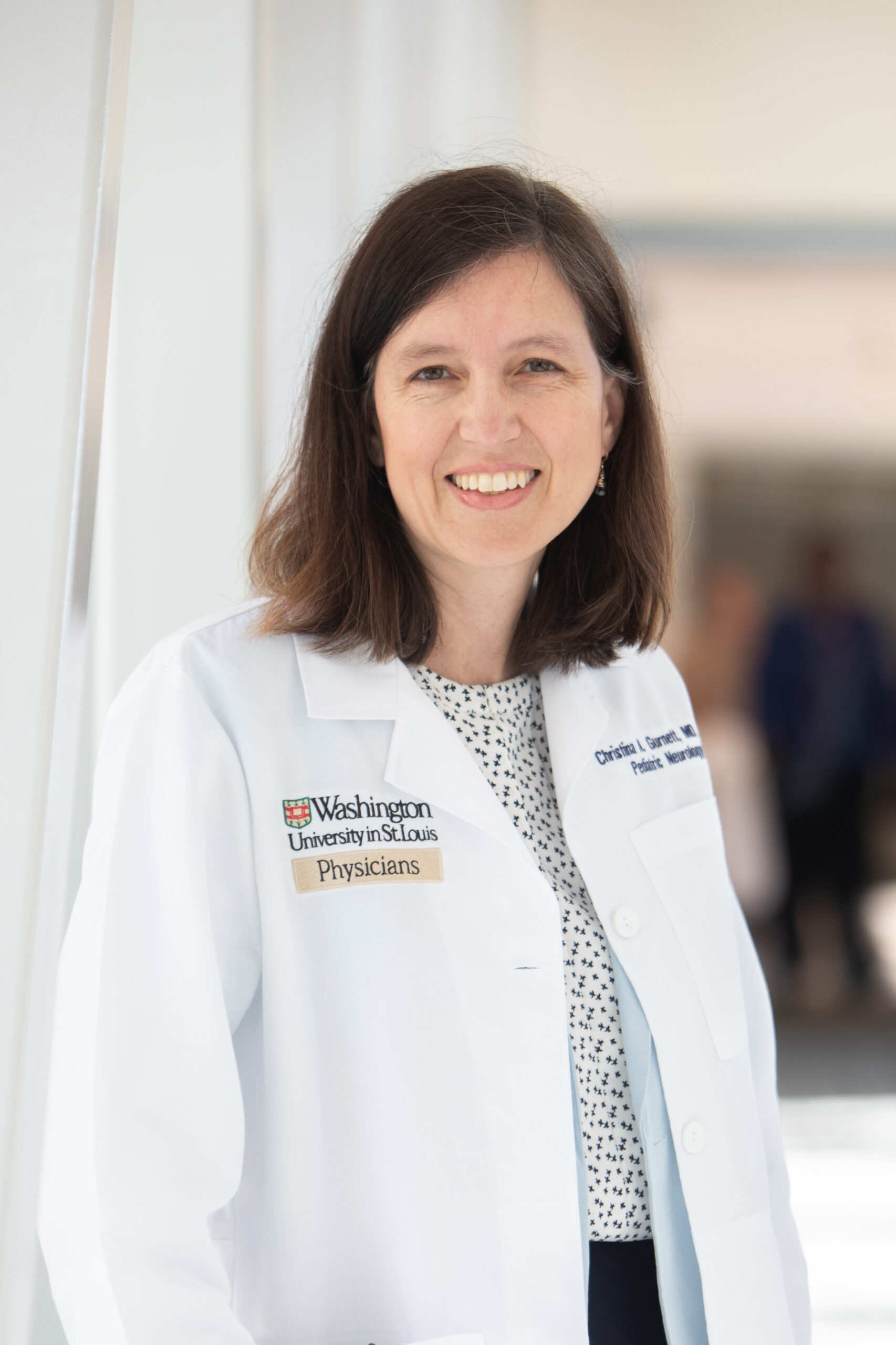
Christina Gurnett, MD, PhD
Washington UniversityChristina Gurnett is the Ernest and Jane Stein Professor of Developmental Neurology at Washington University in St Louis and the Chief of Neurology at St Louis Children’s Hospital. She is a physician scientist with neurogenetics expertise, particularly in the high-throughput analysis of the functional effects of gene variants.
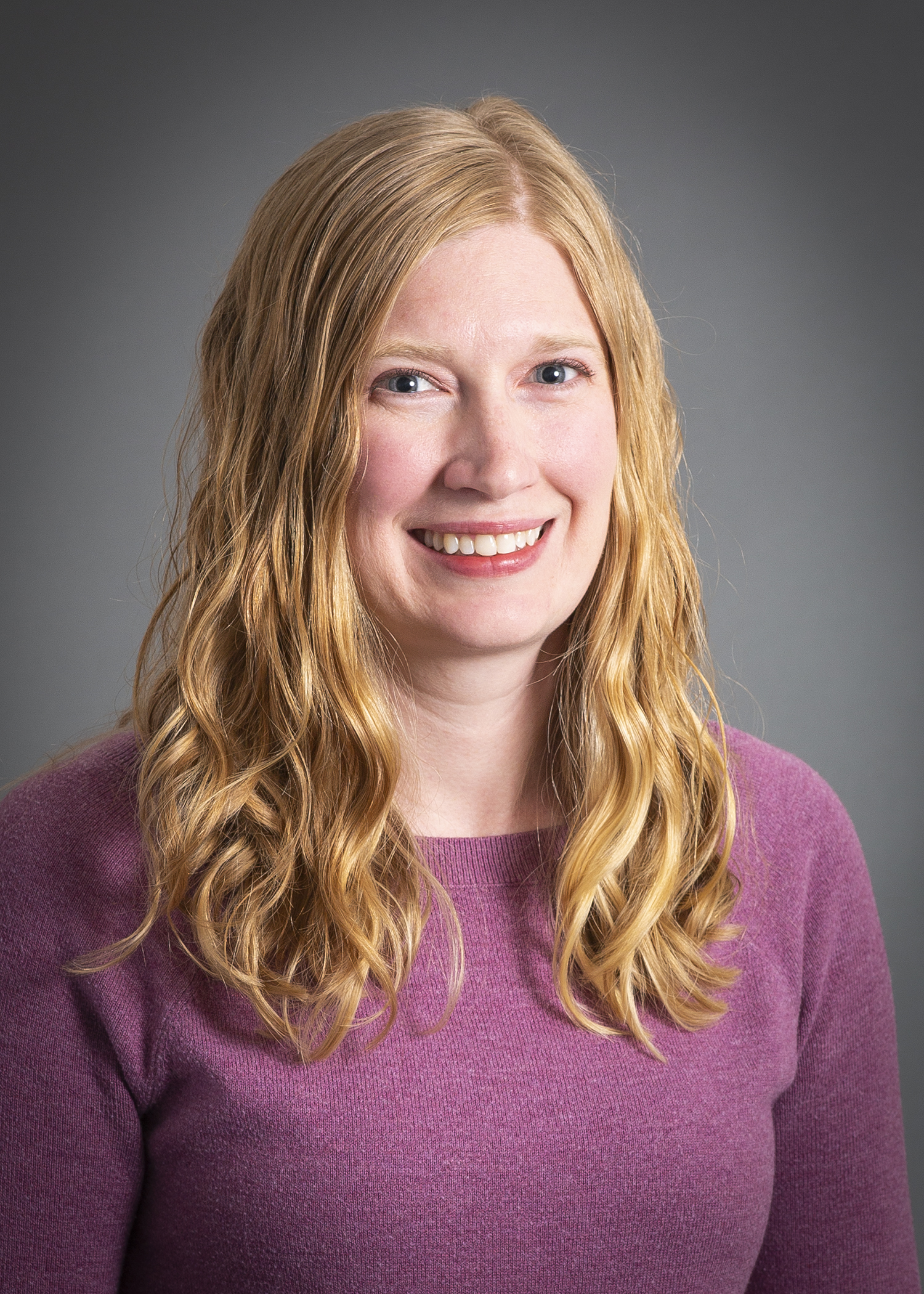
Kelly Faltersack MS, RDN, LDN, CD
University of Wisconsin - MadisonKelly Faltersack MS, RDN, LDN, CD is a registered dietitian nutritionist at UW Health in Madison, Wisconsin. Kelly has been a registered dietitian nutritionist since 2011. She has five years of experience in neuro intensive care and has specialized in ketogenic diet therapy for adults with epilepsy, Glut1 deficiency, and other neurological conditions since 2016. Kelly has co-authored publications on ketogenic diet therapy, serves on the Education Committee for the International Neurological Ketogenic Society (INKS), and serves on the medical advisory board for the Glut1 Deficiency Foundation.
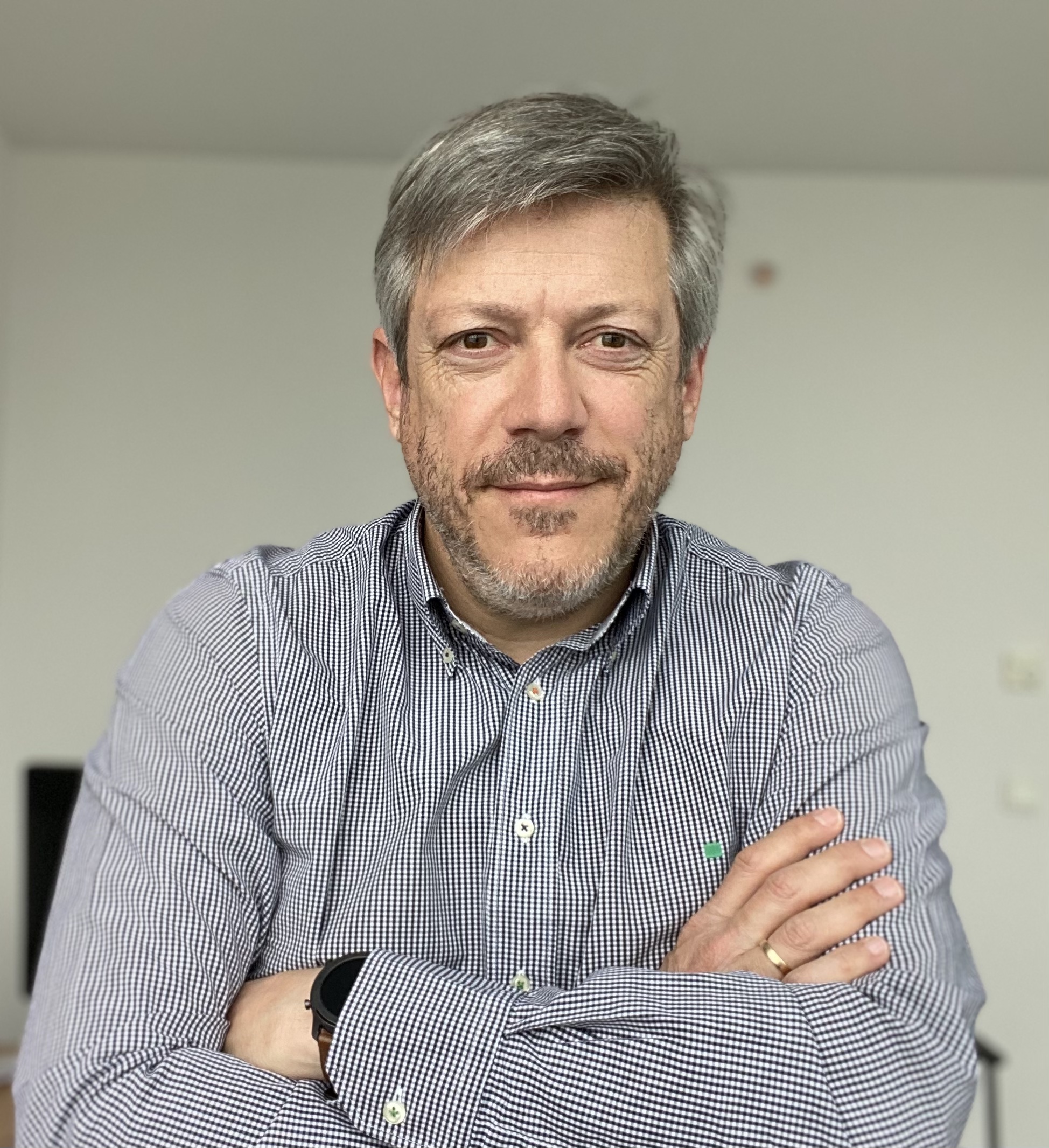
Ignacio Malaga MD, PhD
Hospital Universitario Central de AsturiasPediatric Neurologist working in northern Spain, Assistant Professor of Pediatrics at Oviedo University and head of neurology at Hospital Universitario Central de Asturias. European Pediatric Neurology Society board member. Visiting Assistant Professor of Neurology at UT Southwestern Medical Center ar Rare Brain disorders.
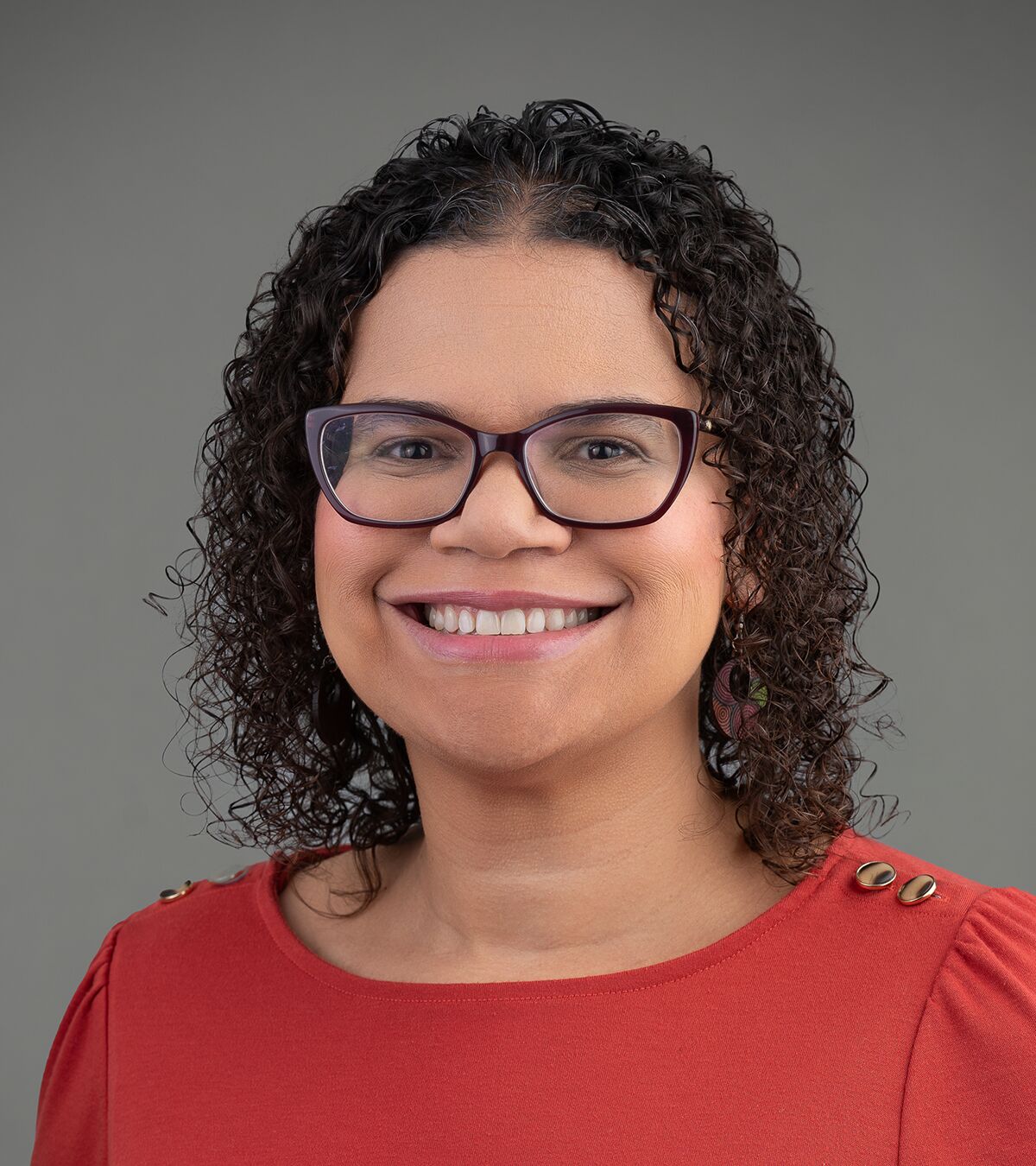
Elizabeth Felton, MD, PhD
University of Wisconsin - MadisonElizabeth Felton, MD, PhD is an Assistant Professor of Neurology and Biomedical Engineering at the University of Wisconsin School of Medicine and Public Health. She specializes in epilepsy and her clinical interests include ketogenic therapy for adults, special issues affecting women, neurostimulation and pediatric to adult transitions. She is the UW Health Ketogenic Diet Program Director and Women’s Epilepsy Clinic Co-Director. She established the UW Health Adult Neurology Ketogenic Diet Therapy Clinic and developed a parallel clinical research program. Dr. Felton is a graduate of the American Academy of Neurology Diversity Leadership Program and is the UW-Madison Department of Neurology Diversity, Equity and Inclusion Officer. She is involved in several DEI efforts locally as well as nationally with her professional societies. She is passionate about reducing neurology health disparities, educating about implicit bias, and improving diversity and representation in the sciences. She is involved in outreach efforts and mentoring to learners at every level ranging from elementary school to junior faculty.
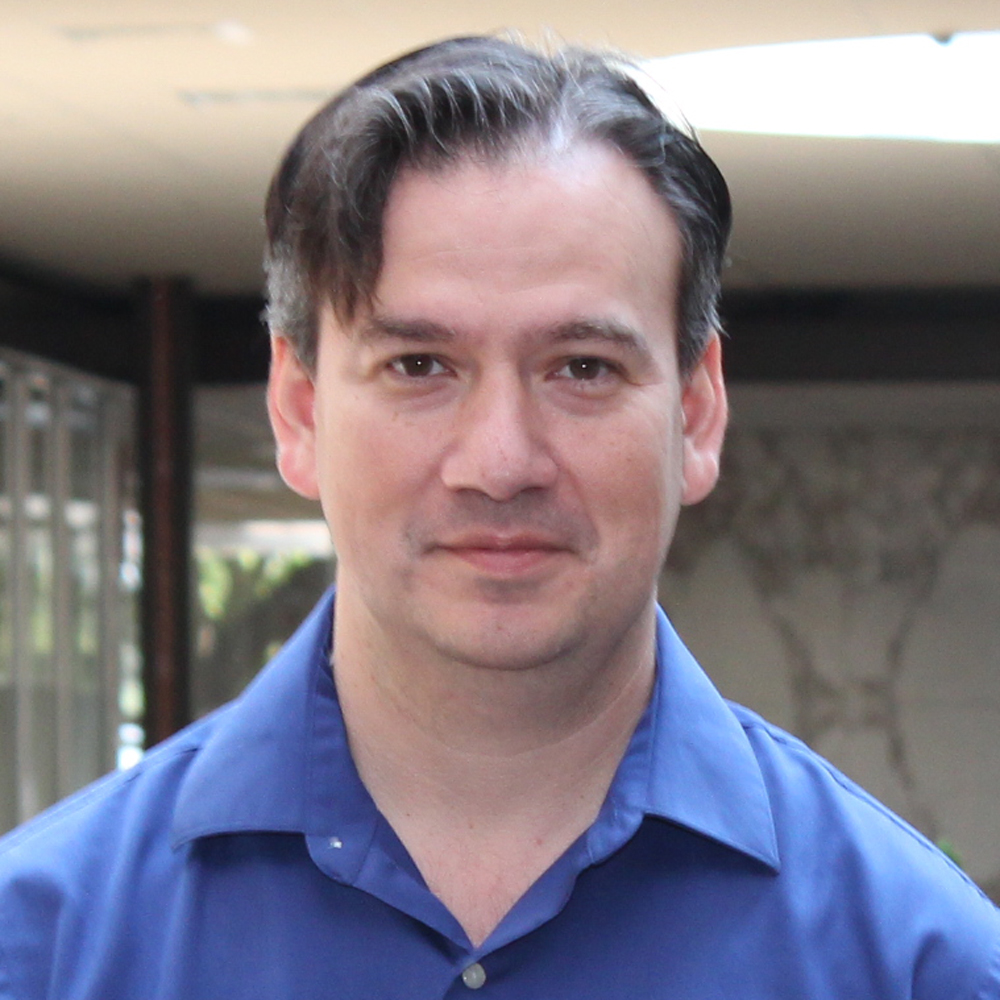
Adrian Avila
UT SouthwesternAdrian graduated from the University of North Texas with a B.S. He is the Clinical Research Manager for Dr. Pascual at UTSW and has been managing all human clinical research studies for him for the past 9 years.
Sara Rapaport, ND
Private practiceDr. Sara Rapaport is a naturopathic doctor, massage therapist and biofeedback practitioner based in Portland, OR. She has been trained in The NeuroAffective Relational Model (NARM), a psychotherapy technique designed to support individuals with complex trauma. As the sibling to a brother with Glut-1 DS, she is passionate about working with the Glut-1 DS community and providing support, education, and resources to fellow siblings and caregivers.
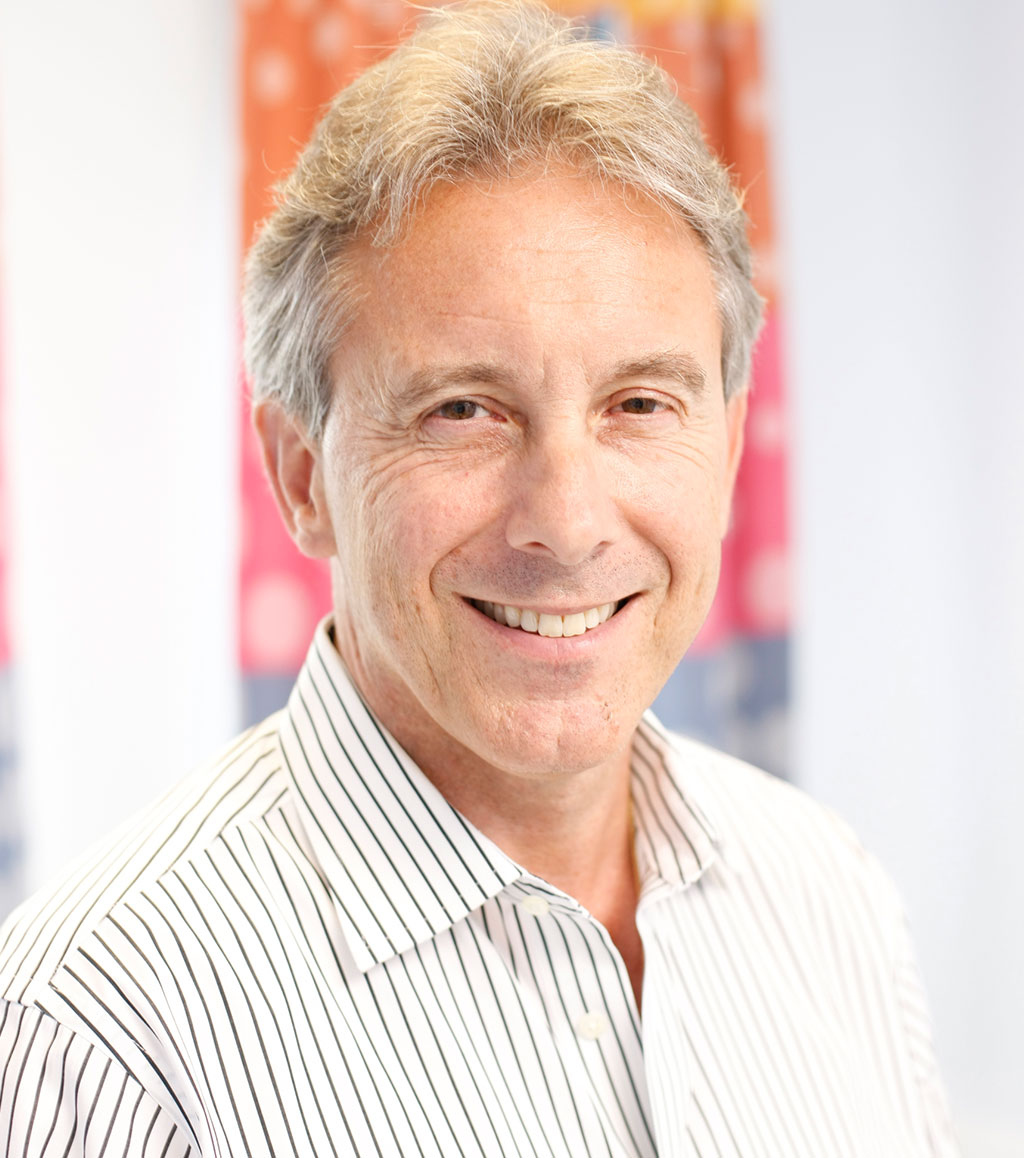
Paul Thornton, MD
Cook Children's Medical CenterDr. Paul Thornton is a pediatric endocrinologist. He is the medical director of endocrinology and diabetes at Cook Children’s Medical Center in Fort Worth Texas. His clinical and research interests have focused around hypoglycemia since the early 1990s and saw his first patient diagnosed with GLUT-1 deficiency shortly thereafter. He has been the lead author in the pediatric endocrinology society guidelines for the diagnosis and management of hypoglycemia and the senior author in the international hyperinsulinism guidelines. In recent years he has been a principal investigator in studies looking at several drugs designed to either block insulin action and thus raise blood glucose or increase the blood glucose through inhibition of insulin secretion or increased glycogen release. His life long dream is to prevent hypoglycemic brain damage in future babies.
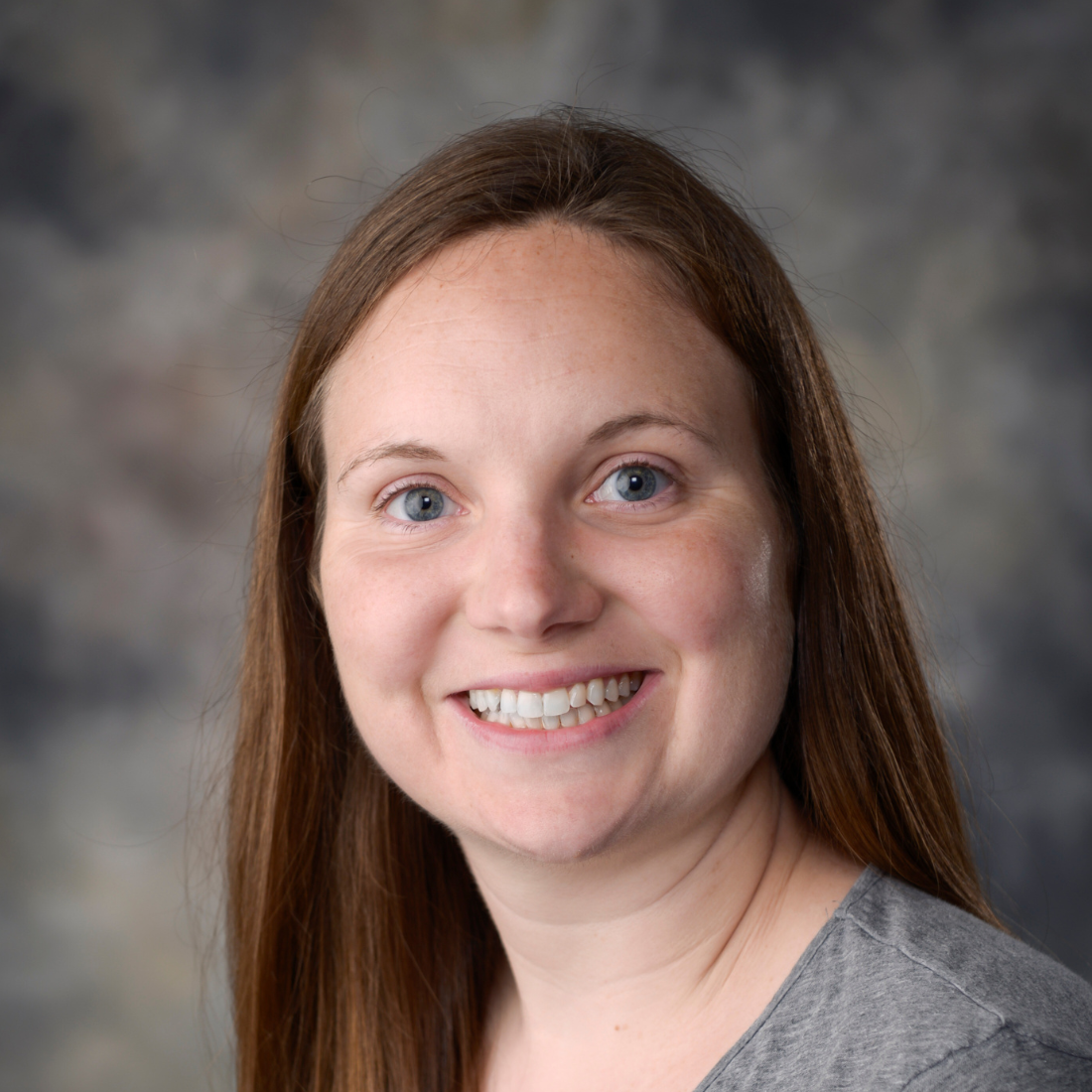
Cecilia Mendiola, CCLS
Children's Health DallasCecilia Mendiola has been a Certified child life specialist since 2009. She is currently a senior child life specialist in the Specialty Care Center at Children’s Health Dallas where she covers Orthopedics, Neurology, Urology, Pulmonology, Endocrinology, Special procedures clinic and other various outpatient specialty clinics. Cecilia has worked with families with various diagnosis’ and been able to educate patients, parents, and siblings about their diagnosis and discuss ways to help them cope.

Maoxue Tang, PhD
Columbia University Medical CenterMaoxue is currently an Assistant Professor in the Department of Neurology at Columbia University Irving Medical Center. Before he joined the faculty position at Columbia, he performed PhD studies at Chinese Academy of Agricultural Sciences in biology and then Postdoc work on Gene Therapy for Glut1 Deficiency Syndrome with Dr. Darryl De Vivo and Dr. Umrao Monani at Columbia University. His current research is focusing on understanding the cellular and molecular mechanisms underlying the Glucose Transporter-1 deficiency syndrome (Glut1 DS), and his long-term goal is to develop viable treatments for patients suffering from Glut1 DS.
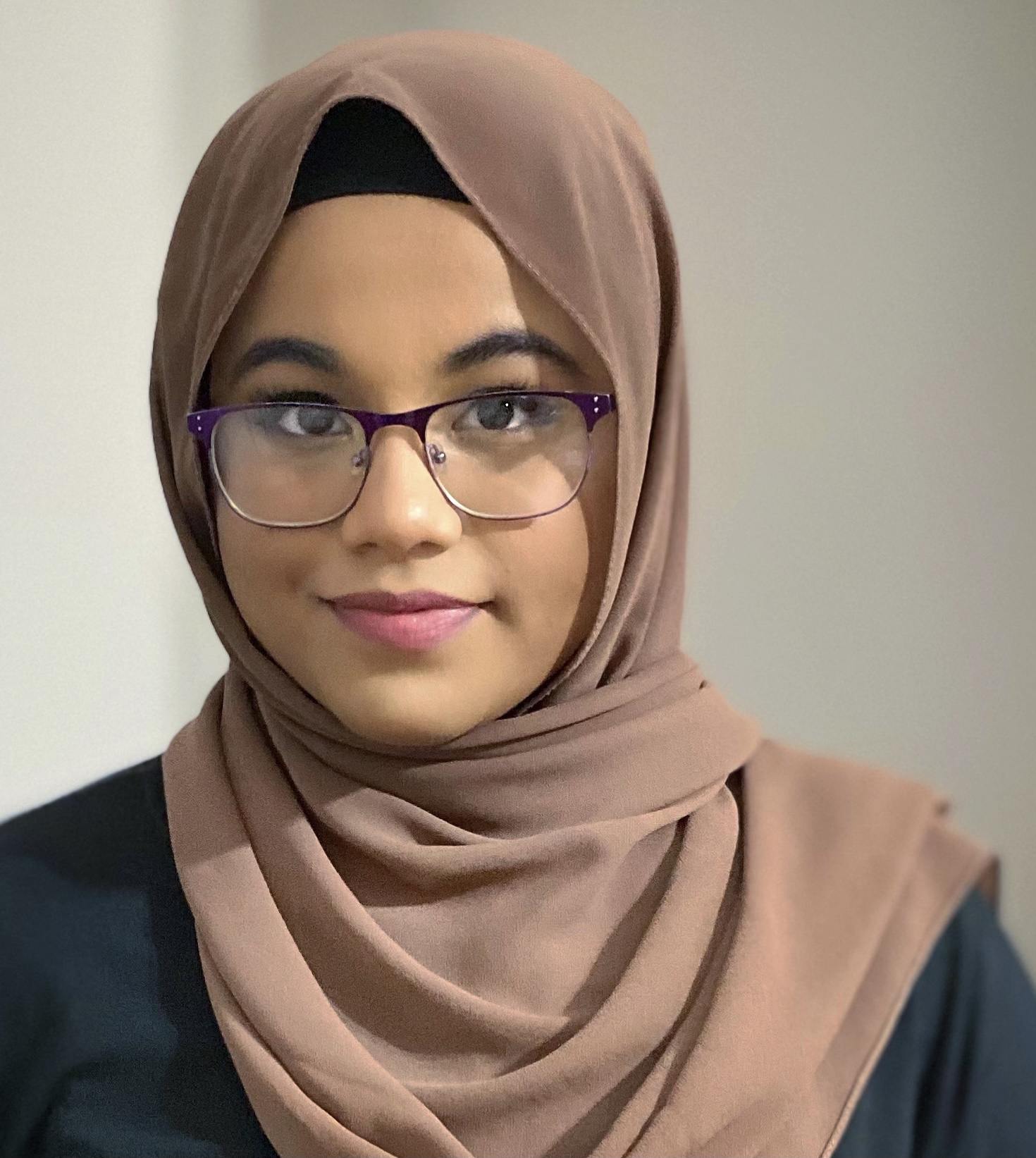
Aiman Baig
CHEO Research Institute, University of OttawaAiman Baig is a third year PhD Candidate at the University of Ottawa and Children’s Hospital of Eastern Ontario’s (CHEO) Research Institute, under the supervision of Dr Alex MacKenzie, after fast-tracking from the master’s program in the same lab. She received her bachelor’s degree from Carleton University in Biology, with a concentration in Health Science and minor in Neuroscience in 2019. Aiman is looking for novel therapeutic approaches for GLUT1 Deficiency Syndrome using a high throughput screening approach and blood brain-barrier modeling.
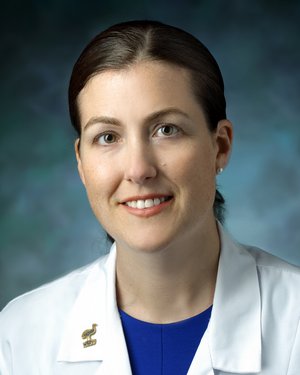
Mackenzie Cervenka, MD
Johns HopkinsDr. Mackenzie Cervenka is a Professor of Neurology at Johns Hopkins School of Medicine with subspecialty training in epilepsy. Dr. Cervenka is Medical Director of the Johns Hopkins Adult Epilepsy Diet Center and the Adult Epilepsy Monitoring Unit. She developed the multidisciplinary Johns Hopkins Adult Epilepsy Diet Center in 2010 and she and her colleagues have treated nearly 500 adults with epilepsy, glucose transporter type 1 deficiency syndrome and refractory status epilepticus using ketogenic therapies. She conducts clinical trials examining the feasibility, safety and efficacy of ketogenic therapies in managing patients with medically resistant epilepsy and refractory status epilepticus, and also collaborates with investigators to evaluate these treatments for patients with alcohol withdrawal, glioma, migraine, multiple sclerosis, dementia, psychiatric disorders and obesity hypoventilation syndrome.
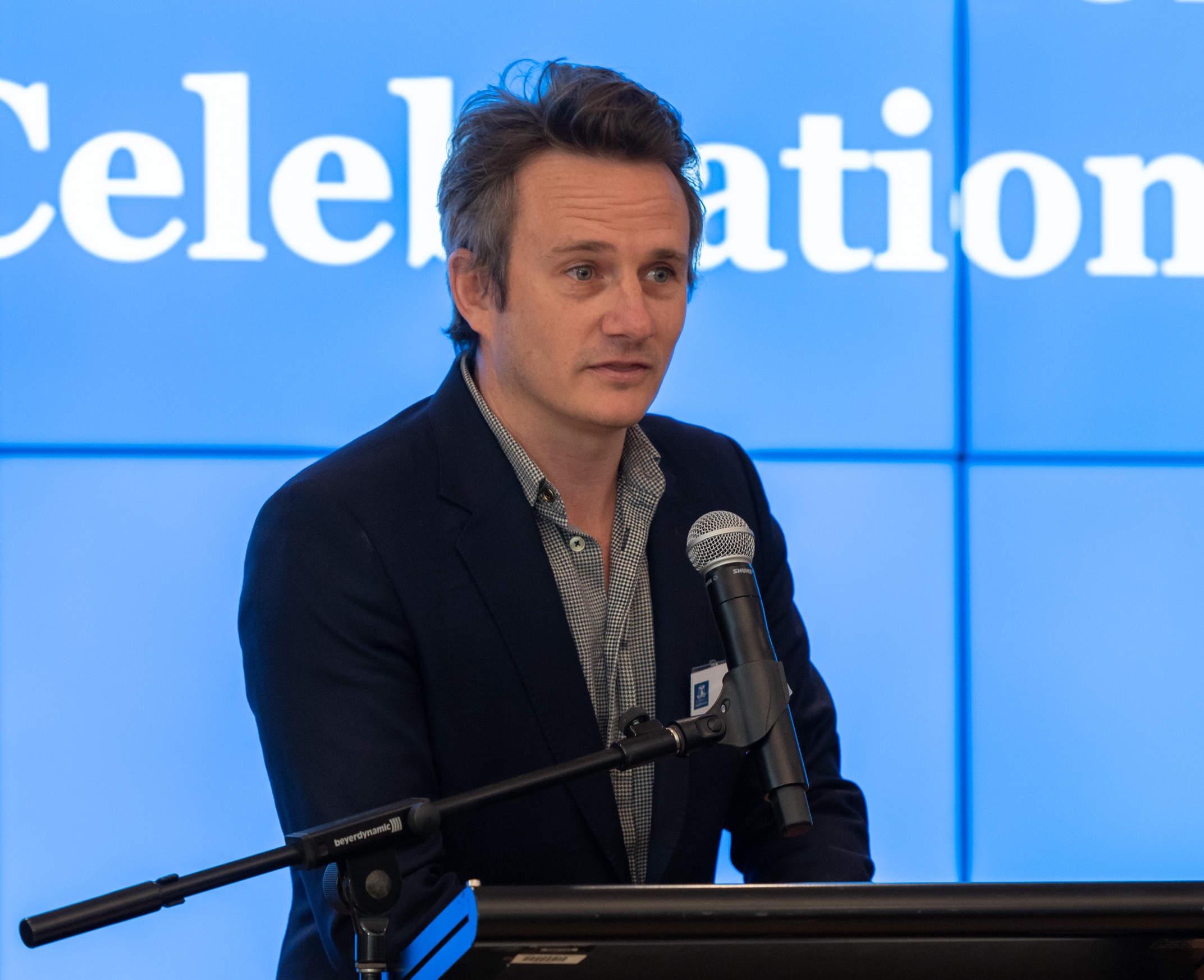
Adam Vogel, PhD
University of MelbourneAdam Vogel PhD is an Australian Research Council Fellow and Full Professor at The University of Melbourne, Australia. He is a global leader in the assessment and treatment of speech and swallowing deficits resulting from neurodegenerative disease. Adam completed his clinical training in psychology and clinical speech science at The University of Queensland and research training (PhD) in behavioural neuroscience at The University of Melbourne, Australia. His clinical work started at Great Ormond Street Hospital, London before undertaking post-doctoral training the University of Tübingen, Germany. Alongside his research and clinical load, Adam is Chief Science Officer of Redenlab, a global clinical neuroscience company working in the pharmaceutical industry. Since founding in 2017, Redenlab have serviced more than 50 clinical studies through the deployment of meaningful and objective speech and language clinical endpoints for measuring treatment efficacy and disease state. Redenlab work across 25 countries and >300 sites, in indications spanning neurology, gastroenterology and respiratory conditions.
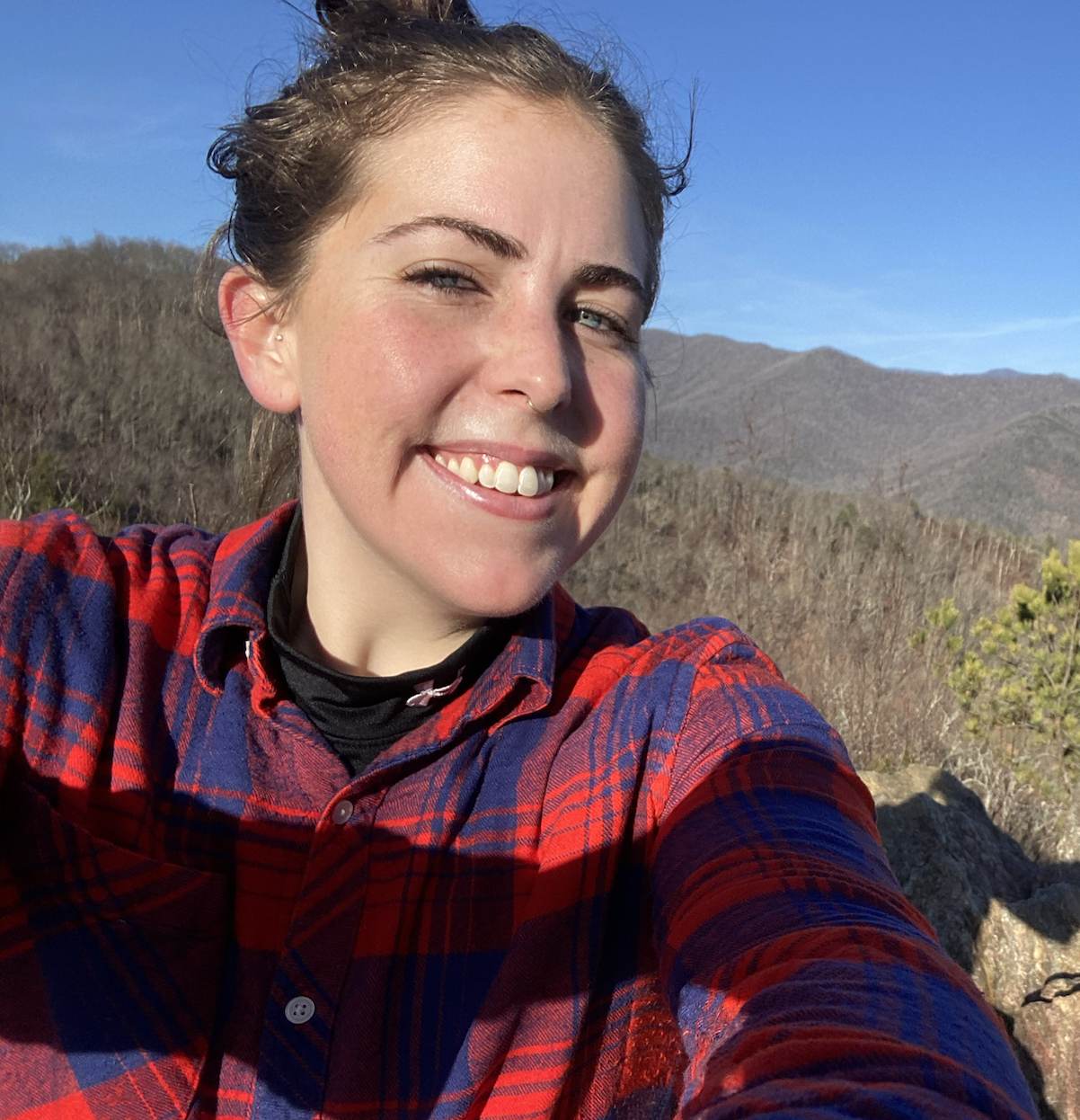
Jessica Kruger, MSW
SibshopsJess Kruger was born and raised in Long Island, New York. As a sibling to two Autistic brothers, Jess has been passionate about disability acceptance and inclusion since the earliest days of her life. Jess earned her bachelor’s degree in International Studies and Spanish from Eckerd College in 2014. Since graduation, Jess has worked with several community based organizations and even spent time as a Youth Development volunteer in the Peace Corps. This only fueled her passion for the Social Work field, and she is now currently pursuing her Masters in Social Work at the Silberman School of Social Work in NYC. Jess’ lived experiences and professional development have inspired her entrance into the world of sibling support for “sibs” or siblings of brothers and sisters with disabilities, special needs, and/or complex medical, mental health needs. Jess has been Sibling Support Project Sibshops Facilitator Certified since 2021. Sibshops is a recreational peer support program for young siblings of brothers and sisters with disabilities. In addition to her studies, Jess currently works as a Sibshops Facilitator for a local NYC non-profit, running in-person Sibshops and community sibling mentoring experiences. Jess also facilitates online Sibshops for several national associations. Jess is passionate about working with people, activism, and striving to make the world a kinder place for everyone.
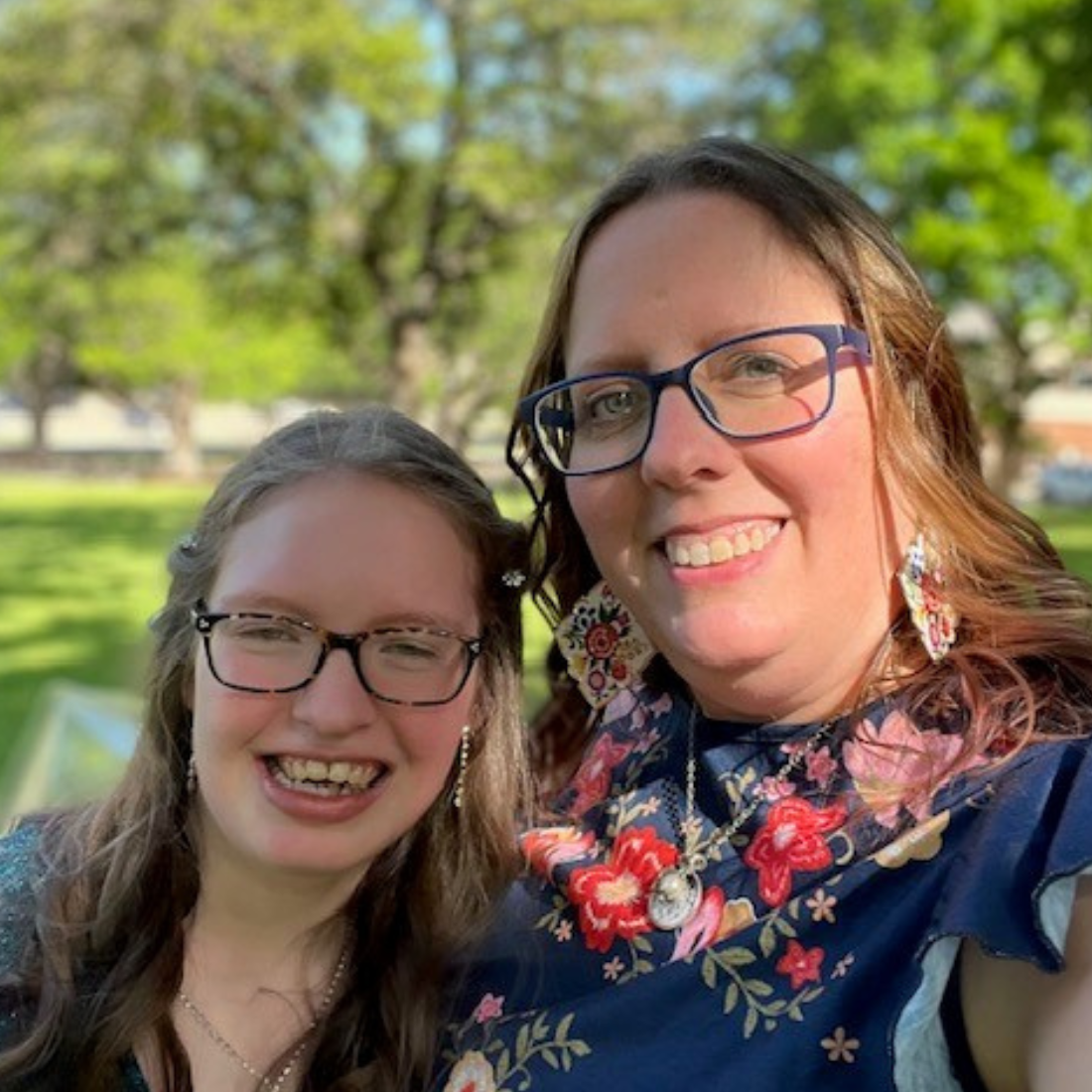
Becky Olson, Ed.D.
Temple Independent School DistrictDr. Becky Olson has been in public education for 20 years. She has taught in several Special Education classrooms, served as a Master Teacher, IEP Facilitator, and she is currently a Transition Coordinator. Becky is active in her community serving on several boards, coordinating Special Olympics, and collaborating with the “Mom Squad” on building opportunities for their special needs children. Becky and her husband, Michael, of 23 years, have a 19 year old daughter with Glut1 Deficiency Syndrome. Becky received her master’s degree from Western Governors University in Education and Technology and her doctorate from Liberty University in Community Care and Counseling: Traumatology. She is a huge advocate for inclusion and that all individuals should be allowed the same opportunities regardless of their abilities.
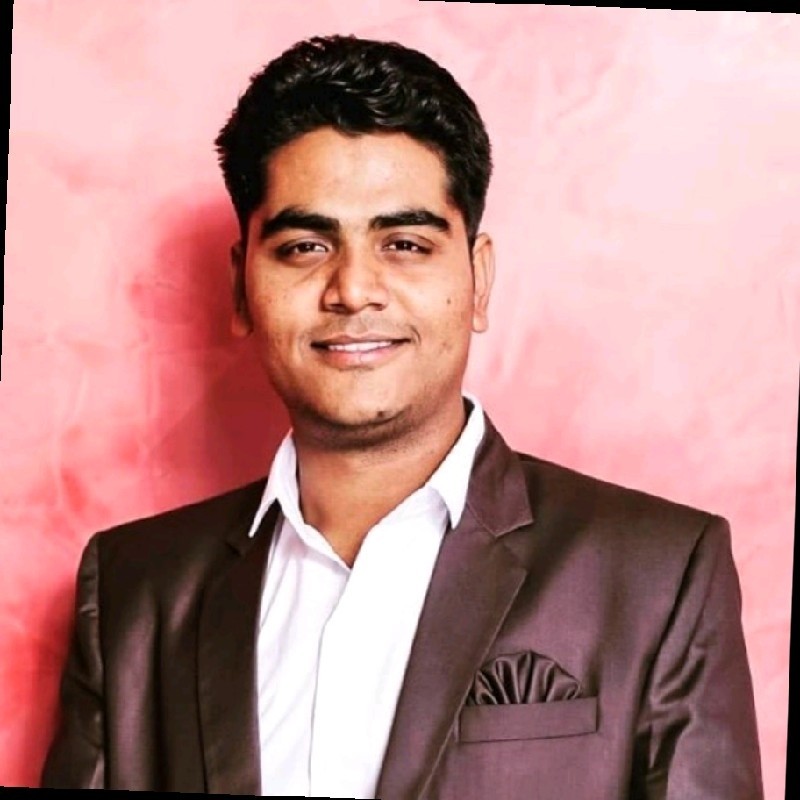
Aksharkumar Dobariya, MSc
Weill Cornell School of MedicineNeuroscientist and Biomedical engineer with experience in developing large animal brain model for neuro disorders. Akshar has deep understanding and years of experience in analyzing and getting important insights from neurophysiology data from EEG to single cell action potential recordings. He has published very novel research in good journals which also have attracted worldwide attention including a newly built patented technology to keep the brain alive in isolated perfusion preparation. He is currently pursuing graduate school at Weill Cornell School of Medicine in New York.
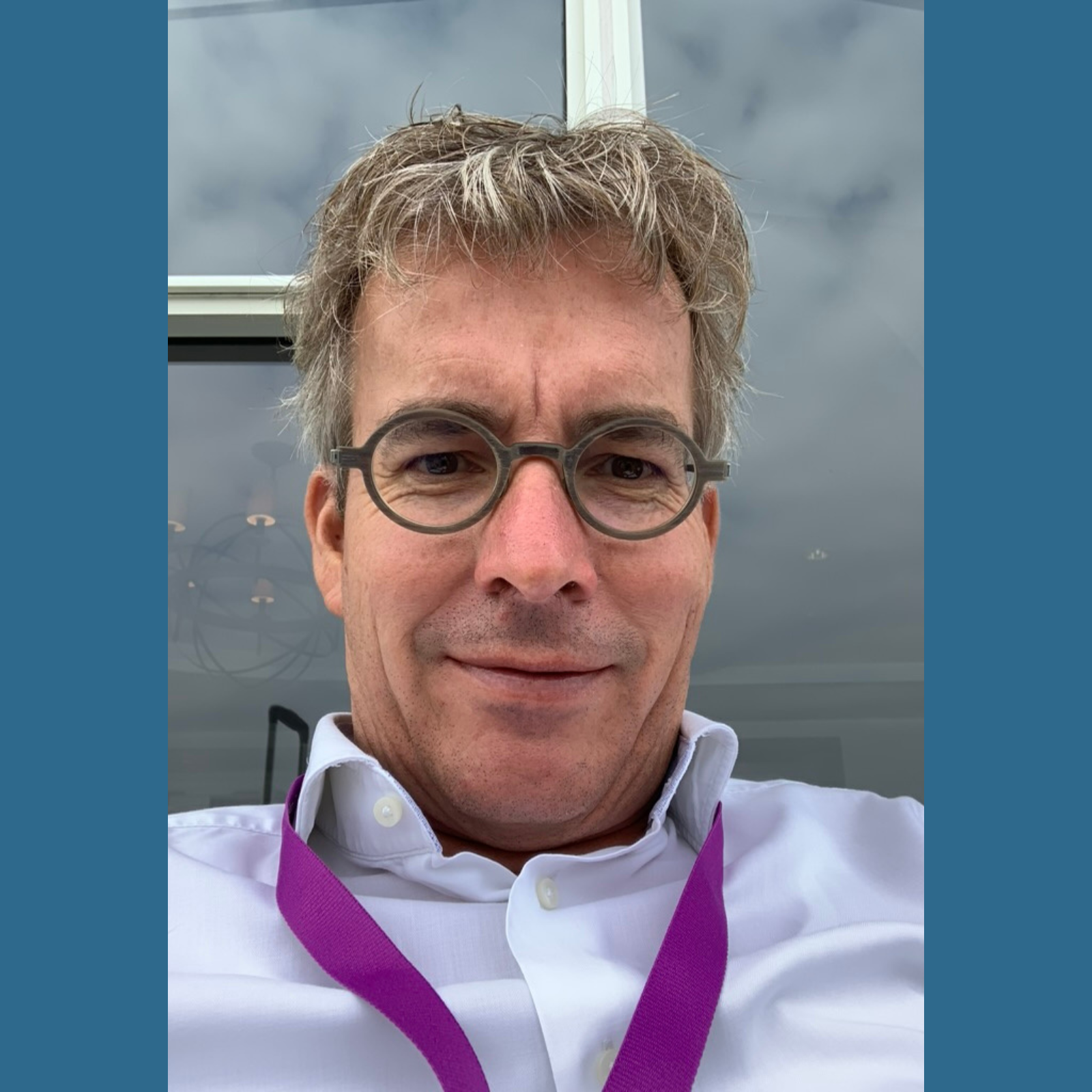
Prof. Dr. Michél Willemsen
Radboud UniversityProf. Dr. Michèl Willemsen
Radboud University Medical Center
Amalia Children’s Hospital
Expert Centre for Genetic Movement Disorders
Department of Pediatric Neurology
PO Box 9101 6500 HB
Nijmegen, The Netherlands
Dr. Willemsen completed medical school and his residencies in pediatrics, pediatric neurology, and adult neurology at Radboud University Medical Center in Nijmegen, The Netherlands. He has been a professor of Pediatric Neurology at Radboud since 2012 where he also serves as the head of the Pediatric Neurology Department and the head of Radboud UMC Expert Centre for Genetic Movement Disorders. His fields of clinical and research interest include pediatric movement disorders, neurometabolic and neurodegenerative disorders, especially Sjögren-Larsson syndrome, Ataxia Telangiectasia, Glut1 Deficiency Syndrome, and neurotransmitter biosynthesis defects. Academic teaching contributions include international courses and research focused on the same disorders, leading to numerous publications. Dr. Willemsen is a member of the board of the Dutch Society of Pediatric Neurology, the European Pediatric Neurology Society, and the International Child Neurology Congress. He is a member of many other international organizations on pediatrics, neurology and inborn errors of metabolism; local and national committees on health issues linked to pediatrics and pediatric neurology; and scientific boards of international congresses. He is a member of the editorial boards of the European Journal of Pediatric Neurology, Neuropediatrics, and Developmental Medicine and Child Neurology.
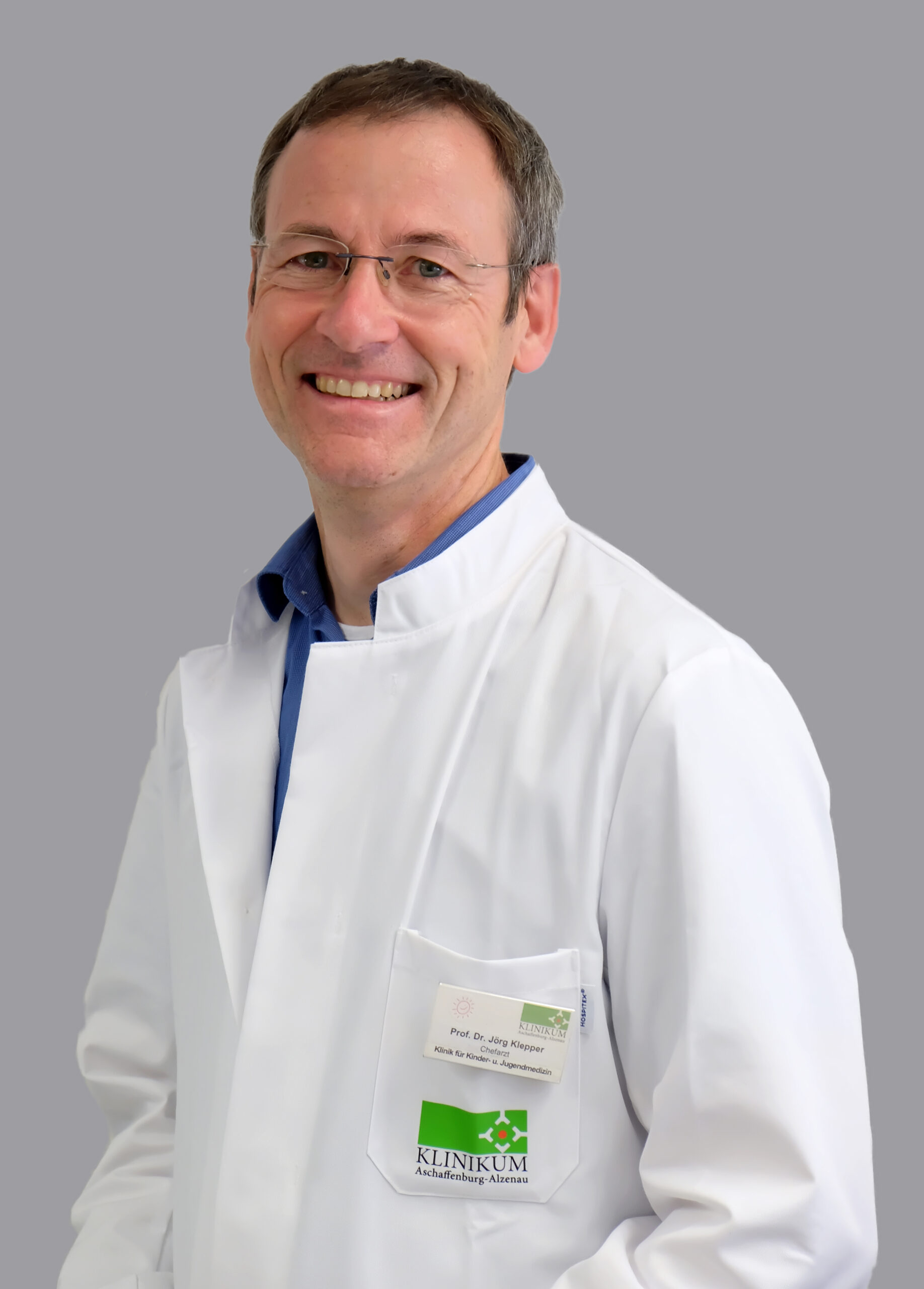
Prof. Dr. Jörg Klepper
Children's Hospital AschaffenburgProf. Dr. Jörg Klepper
Children’s Hospital Aschaffenburg
Klinik für Kinder und Jugendmedizin
Am Hasenkopf; D-63739
Aschaffenburg, Germany
Tel: 49-6021-32-3601
Dr. Klepper is the Medical Director of Aschaffenburg Children’s Hospital in Aschaffenburg, Germany. Dr. Klepper’s clinical interests include disorders of brain energy metabolism such as Glut1 Deficiency and pyruvate dehydrogenase. His research interests include the mechanisms and adverse effects of the ketogenic diet on these disorders and establishing international protocols for the use of the ketogenic diet for epilepsy and metabolic disorders. Dr. Klepper earned his medical degree at Frankfurt/M and Würzburg University and completed his pediatric training at Würzburg and Essen University in Germany. He then completed his fellowship at Columbia University in New York City. In addition to his role at Aschaffenburg Children’s Hospital, Dr. Klepper serves as a consultant for pediatric neurology at Essen University and a lecturer on pediatrics at Essen University and Würzburg University. He is a board member of the Neuropaedriatric Society and a member of the German Paediatric Society.
Juan Pascual, MD, PhD
Weill Cornell MedicineChief, Division of Child Neurology
Professor of Pediatrics, Neurology and Neuroscience
Weill Cornell Medicine | NewYork-Presbyterian Hospital
525 East 68th Street. Box 91
New York, NY 10065
Dr. Juan Pascual is chief of the Division of Child Neurology in the Department of Pediatrics at NewYork-Presbyterian Komansky Children’s Hospital and Weill Cornell Medicine, effective March 1.
Dr. Pascual oversees the child and neonatal neurology divisions with a focus on increasing access to high-quality care, expanding scientific research, and recruiting and developing faculty, clinicians and researchers. Dr. Pascual was recruited to Weill Cornell Medicine as a professor of pediatrics, of neurology and of neuroscience in the Feil Family Brain and Mind Research Institute and an affiliate faculty member in the Sage School of Philosophy in the College of Arts and Sciences on Cornell’s Ithaca campus. He will also grow the rare brain disorders program for patients with undiagnosed, complex or severe neurological diseases.
Dr. Pascual joins NewYork-Presbyterian Komansky Children’s Hospital and Weill Cornell Medicine from UT Southwestern Medical Center in Dallas, Texas, where he directed the rare brain disorders program. As one of the few actively practicing pediatric neurologists in the nation who is also a laboratory scientist, Dr. Pascual specializes in genetic and metabolic diseases of the nervous and neuromuscular systems in infants, children and adults, with an emphasis on complex disorders. He has also authored numerous peer-reviewed articles, abstracts and textbooks.
Dr. Pascual earned his medical degree with unique distinction from Universidad de Granada, Spain, followed by a doctorate in molecular physiology and biophysics at Baylor College of Medicine. He completed his residency in pediatrics at St. Louis Children’s Hospital and Washington University School of Medicine and in neurology and pediatric neurology at NewYork-Presbyterian/Columbia University Irving Medical Center.
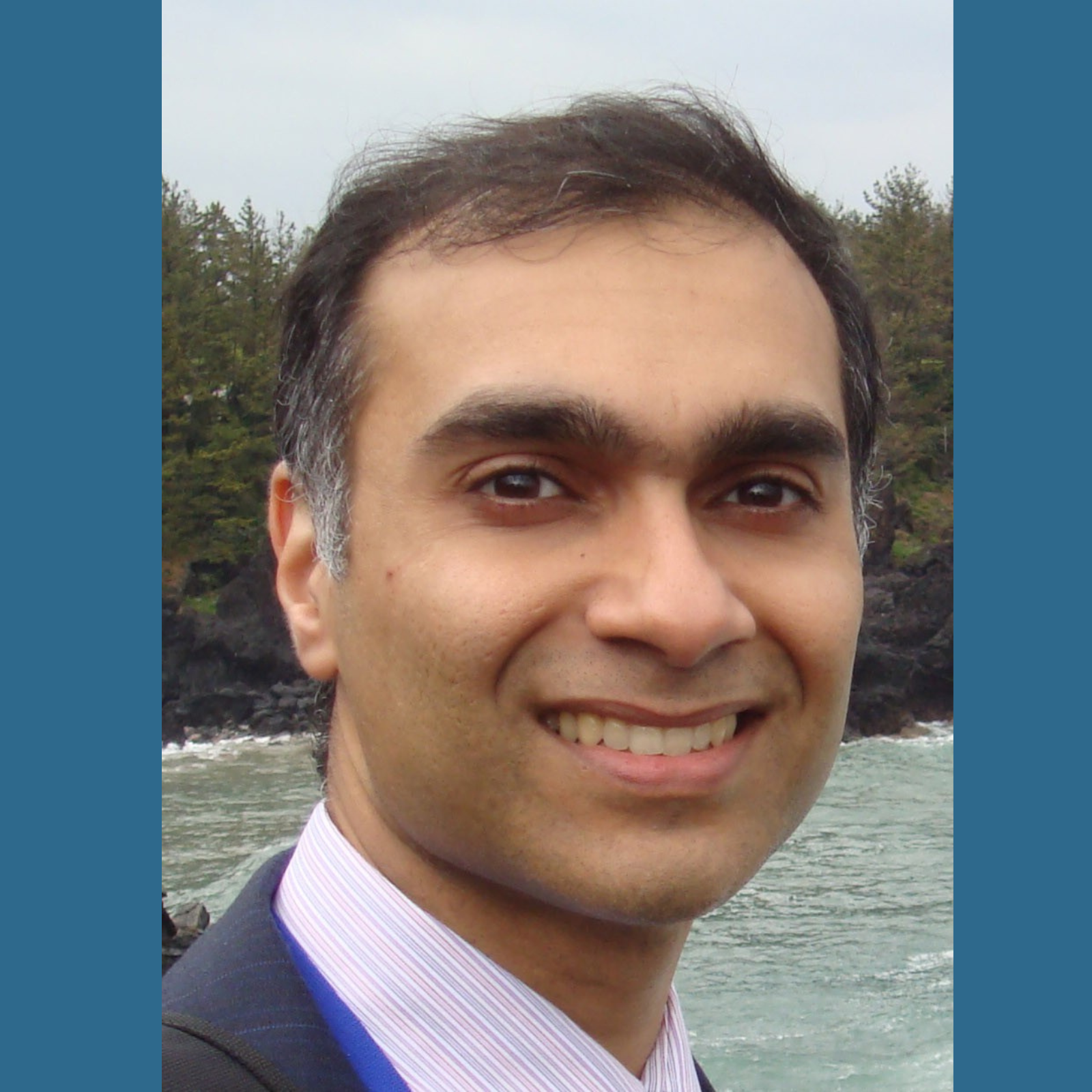
Umrao Monani, PhD
Columbia University Medical CenterDr. Umrao Monani is Professor of Neurology (in Pathology & Cell Biology) at the Columbia University Medical Center and the Director of the Colleen Giblin Research Laboratory at the medical center. He is also a founding member of the Columbia University Center for Motor Neuron Biology & Disease. Dr. Monani received his PhD at the Ohio State University School of Medicine and has spent many years engaged in the study of the neuromuscular disorder, spinal muscular atrophy (SMA). He was amongst the first to develop viable SMA model mice and his work has informed SMN repletion treatments for the human disease. More recently, Dr. Monani has turned his attention to Glut1 deficiency syndrome (Glut1 DS) and shown that gene replacement strategies are highly effective in treating a mouse model of the human disease. These studies also revealed novel brain microvasculature defects resulting from Glut1 deficiency.
Currently, Dr. Monani’s lab is engaged in exploring the feasibility of translating the pre-clinical gene replacement findings in his lab into a viable treatment for the human condition. Dr. Monani has received several awards including the American Academy of Neurology Young Investigator Award, the Sanofi Innovator Award, the 2023 Humanitarian Award from the Hope for Children Research Foundation and the Darryl C. De Vivo Endowed Professorship at Columbia University. His lab is dedicated to the study of rare pediatric neurological diseases with a view to eventually treating them.

Matthew Gentry, PhD
University of FloridaDr. Matthew S. Gentry is Professor & Chair of Biochemistry & Molecular Biology in the College of Medicine at University of Florida. He is a prominent brain metabolism scientist who has made seminal discoveries in the realm of brain glycogen and glucose metabolism and how perturbations in these pathways impact neuro-centric diseases. Dr. Gentry has nearly 20 years of experience working on glycogen storage diseases (GSD). He did research on cell signaling and cell division at Syracuse University for his Ph.D and then worked on the GSD and childhood dementia called Lafora disease as a postdoctoral scholar in the laboratory of Dr. Jack Dixon at UC-San Diego where he defined the biochemical properties of the genes mutated in the disease. Building on this foundational biochemistry, he has been continuously funded by NIH since 2007 along with funding from foundations and industry. His lab works on a number of diseases linked to perturbed metabolism with many being CNS-centric, focusing on defining disease mechanisms, pre-clinical drugs and clinical biomarkers. He has published >100 scientific papers and holds multiple patents.

Caroline Pearson, PhD
Weill Cornell MedicineI received my PhD from the University of Sheffield, UK. I spent my postdoctoral years in the laboratory of Bennett Novitch at the University of California, Los Angeles. I am currently an Assistant Professor in the Brain and Mind Research Institute at Weill Cornell Medicine in New York City. I am a neurodevelopmental biologist with an interest in determining the mechanisms that regulate neural progenitor cell biology in mouse and human models of cortical development.
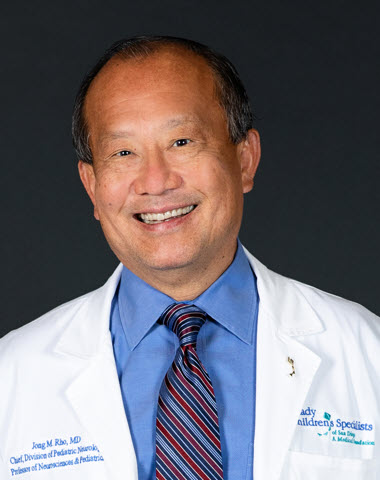
Jong M. Rho, MD
UC San Diego, Rady Children's HospitalDr. Rho is the division chief of neurology at Rady Children’s Hospital-San Diego and a professor of neurosciences and pediatrics at UC San Diego School of Medicine.
His clinical expertise is in general pediatric neurology and pediatric epilepsy, with an emphasis on pharmacological therapies and metabolic approaches toward epilepsy treatment, such as the ketogenic diet. His main research interests for patients, including at Rady Children’s Hospital-San Diego, are the mechanisms underlying the anti-seizure and neuroprotective effects of the ketogenic diet and its clinical variants. Dr. Rho’s research activities involving patient care and treating neurological conditions have been funded by grants from the National Institutes of Health, Canadian Institutes of Health Research, Brain Canada and a variety of intramural and extramural public and private sector sources.
Prior to his current position proving patient care as chief of pediatric neurology at Rady Children’s Hospital-San Diego, Dr. Rho held full-time academic faculty appointments at the University of Washington (Seattle) and Seattle Children’s Hospital; the University of California at Irvine; the University of Arizona and Arizona State University (Barrow Neurological Institute in Phoenix); and most recently, the Alberta Children’s Hospital and the University of Calgary (Alberta, Canada).
Dr. Rho completed residency training in pediatrics at Children’s Hospital Los Angeles (affiliated with the University of Southern California), followed by adult neurology and pediatric neurology residency/fellowship training at the University of California Los Angeles Medical Center (David Geffen School of Medicine at UCLA). He also completed a research fellowship in neuropharmacology at the National Institutes of Health. Dr. Rho received his undergraduate degree in molecular biophysics and biochemistry from Yale University and his medical degree from the University of Cincinnati.

Victoria Whiteley, RD
Royal Manchester Children's HospitalVictoria has been a dietitian for over 20 years. She joined the Royal Manchester Children Hospital in 2012 to set up the Ketogenic diet service and has developed this service to become the largest centre in the United Kingdom. She is a specialist in the field of ketogenic diet therapy and is an invited speaker and author on this subject. Her particular are of interest is in use of the diet in infants and those with inherited metabolic conditions. She supports children and young people across the North West of England with GLUT1 deficiency and she is on the medical board for GLUT1 UK.