GLUT1 Deficiency Research Workshop Summaries

Hello and welcome to Science with Sandra!
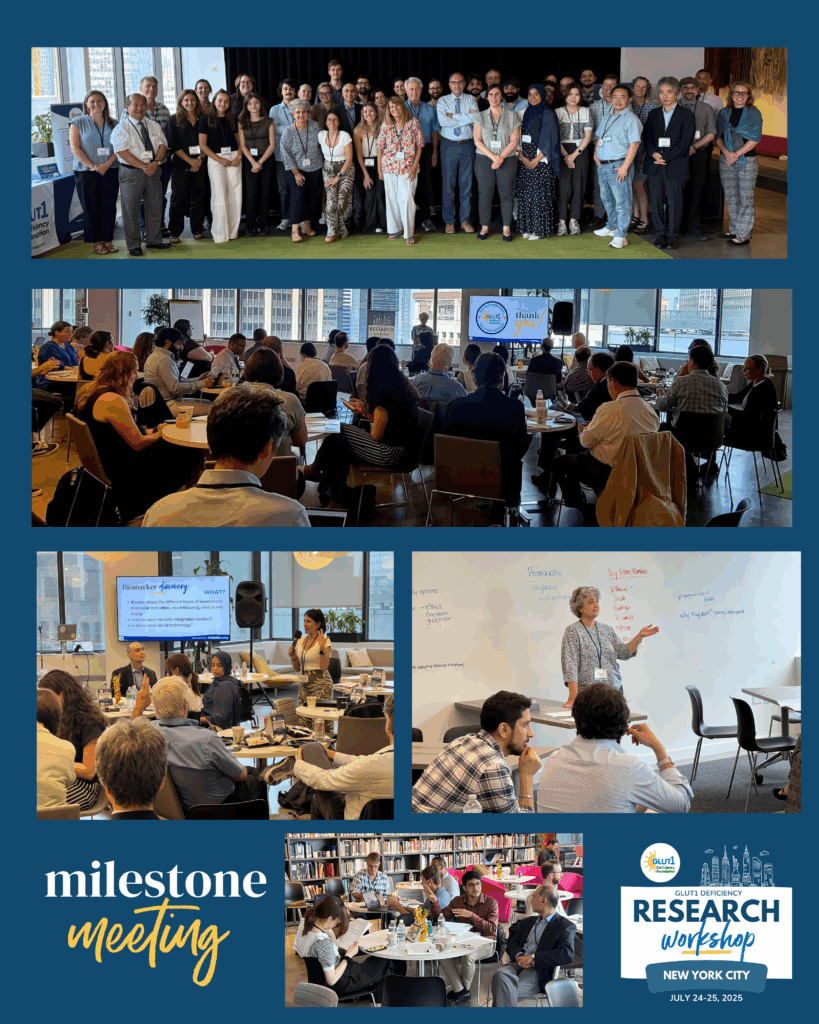
For this edition, I would like to thank all the participants at our first Research Workshop that took place in July 24-25 in New York City. It was an amazing event filled with wonderful presentations, insightful discussions and helpful feedback. We had the privilege to have researchers and clinicians from all over the world – familiar faces and new faces. Everyone came open to listen to new and interesting research ideas, open for collaborations, and open to share their expertise not just with the workshop participants, but also with the global research and clinician GLUT1 Deficiency community.
The event began with a presentation by our Executive Director, Glenna Steele, who shared some insights about the GLUT1 Deficiency Foundation’s history and work since its inception.
Presentation summary: The foundation is a parent-led nonprofit organization that began as a small online support group and has grown into a global community committed to supporting patients and families. Our mission is to bring help and hope to the GLUT1 community through education, awareness, advocacy, and research. Officially established in 2011, the G1DF has worked to fill critical gaps by building community, raising awareness, and driving patient-centered research. One of its most impactful efforts was a global patient voice survey with 260 participants, turning lived experiences into data that now shapes priorities and programs. The G1DF offers support programs such as monthly Zoom groups (including one in Spanish), peer support and one-on-one consultations for social and behavioral support, ketogenic dietitian services for underserved patients, and support navigating the school system. It also helps advance research through initiatives like a natural history study, biorepository, open-source cell lines including patient-derived iPSC cell lines, and advocacy for key milestones like securing an ICD-10 code for the disease. The organization collaborates with major networks like CZI’s Rare As One Network and the COMBINEDBrain consortium, and continues to fund clinical trials and guide future research through its research compass. As the G1DF looks ahead to more progress and its next gathering in Asheville in 2026, it welcomes continued support and collaboration to improve the lives of those affected by GLUT1 Deficiency worldwide.
Then, attendees had the opportunity to listen to the Perry family share their story. Their story was inspirational and allowed participants to hear first-hand,the patient experience and to focus their discussions on our loved ones with GLUT1 Deficiency.
We had the privilege of hearing Dr. Umrao Monani share a welcome message from Dr. Darryl De Vivo, and Dr. Matthew Gentry shared a brief message to set the stage of the meeting for open collaborations.
The first topic of lightning talks was “Disease and Patient Experiences Insights”. Below you can find the summaries for each of the talks.
Sandra Ojeda, PhD:
Title of presentation: Patient Experience Insights
Summary: GLUT1 Deficiency is a rare genetic condition that impairs brain metabolism and causes a wide range of symptoms, which can vary greatly in severity. Classical symptoms include seizures, complex movement disorders, cognitive impairments, developmental delays, and speech and language difficulties. However, not all patients experience the same symptoms, and these can evolve over time, with puberty being a particularly challenging stage. The current standard of care is ketogenic dietary therapy, which is most effective in controlling seizures. However, it is not a complete treatment and comes with many challenges. To better understand the patient and family experience, the G1DF launched the Collective Voices project in 2020. The goal was to capture insights from the community, identify knowledge gaps, and determine the most important components for a Natural History Study (NHS), among other objectives. Key findings from the project revealed that cognitive and intellectual difficulties, speech and communication challenges, and lack of independence are among the symptoms that most negatively impact quality of life. Launched in 2022, the NHS combines patient-reported data and electronic health records. It aims to gather deeper insights into how the disease affects individuals over time, helping researchers better understand its progression and impact.
Katie Staudt:
Title of presentation: Generations of GLUT1 Deficiency
Summary: This talk, Generations of GLUT1 Deficiency, explored a unique three-generation family affected by the same genetic mutation in SLC2A1, demonstrating strikingly varied phenotypic presentations. Katie’s daughter, Lyla, is affected by GLUT1 Deficiency and Katie shared some of Lyla’s experiences and symptoms. The first generation includes Lyla’s grandmother and six of her eight siblings, all of whom developed symptoms later in life, after age 45. In the second generation, two of her three sons inherited the mutation, with only one showing mild symptoms. The third generation includes Lyla and one cousin—both diagnosed in childhood. Across the family, clinical presentations range from seizures, ataxia, dysarthria, and nystagmus to learning disabilities, sensory issues, and slowed processing speed, underscoring the phenotypic variability of GLUT1 Deficiency even within a single mutation and family tree. There is much to learn from the experiences of families like Lyla’s, and we appreciate so much their willingness to share.
Mackenzie Cervenka, MD:
Title of presentation: Movement disorders in adults with glucose transporter type 1 deficiency syndrome
Summary: Glucose transporter type 1 (GLUT1) deficiency syndrome (DS) is caused by a disruption of cellular energy resulting in electrical and chemical dysregulation in the brain. In childhood, this manifests primarily as early-onset seizures and abnormal eye movements and can also include or later involve cognitive difficulties, dysarthria, and a variety of movement disorders. The current gold standard approach to addressing this cellular energy failure is by shifting dietary intake of macronutrients from a high carbohydrate to a high fat diet. Ketones can serve as an alternate fuel source for the brain. With use of ketogenic therapies, seizures tend to decrease over time. However, paroxysmal as well as progressive movement disorders persist or often worsen. This talk explored the changes in Glut1DS symptoms during adulthood and treatment strategies being investigated and utilized.
Marisa Armeno, MD, PhD:
Title of presentation: Advancing Glut1DS diagnosis and care in Argentina
Summary: Dr. Marisa Armeno, a pediatrician and clinical nutrition specialist from Argentina, presented the efforts led in her country to improve the diagnosis and care of Glucose transporter type 1 deficiency syndrome, motivated by the late diagnosis of one of her first patients. She led the first national initiative to collect and analyze clinical and genetic data from 39 confirmed cases across eight medical centers. The findings revealed a significant diagnostic delay, with a mean age of 4.6 years despite the early onset of symptoms such as seizures and abnormal eye movements. Thirty-three unique genetic variants were identified, including novel mutations, with a concentration in exons 4 and 9. Although lumbar puncture remains a common diagnostic tool, exome sequencing is being implemented more frequently. Most patients in Argentina initiated a classic 3:1 ketogenic diet, and 60% incorporated MCT oil to optimize therapeutic outcomes. The main challenges include delays in diagnosis, socioeconomic barriers, and the lack of standardized care protocols. The team led by Dr. Armeno is currently working on developing a national registry, investigating genotype-phenotype correlations, and fostering regional collaboration to improve the comprehensive approach to this disease. Their findings will be presented at the upcoming international meeting on GLUT1 Deficiency Syndrome in Paris.
Matthew Gentry, PhD:
Title of presentation: Monosaccharide metabolic channeling in the brain – the good and the bad
Summary: Dr. Matthew Gentry’s lab focuses on how altered brain metabolism, specifically glycogen and monosaccharide metabolism, impacts neurological diseases and certain cancers. His team has shown that the brain contains significant glycogen levels, and disruptions in glycogen metabolism affect memory, neuronal function, and glycosylation. Studying diseases like Pompe, Lafora, and GLUT1 Deficiency, they observed that both excessive and deficient glycogen levels disrupt N-linked glycosylation. Using mass spectrometry imaging, they mapped these changes in a mouse model of GLUT1 Deficiency and found that these mice had low brain glycogen and impaired N-linked glycosylation. In collaboration with Drs. Hudson Freeze, Juan Pascual, and Ramon Sun, they gave Glut1DS mice oral fucose and found that fucose restored both brain glycogen levels and N-linked glycosylation to normal levels. Additional data from the Pascual laboratory also demonstrated rescue of the Glut1DS movement phenotype, suggesting therapeutic potential. However, similar sugar supplementation in Alzheimer’s disease models worsened outcomes, and real-world patient data confirmed reduced survival in Alzheimer’s patients taking glucosamine. These findings underscore the delicate balance of brain sugar metabolism and highlight both risks and opportunities in using monosaccharide-based therapies for neurological diseases.
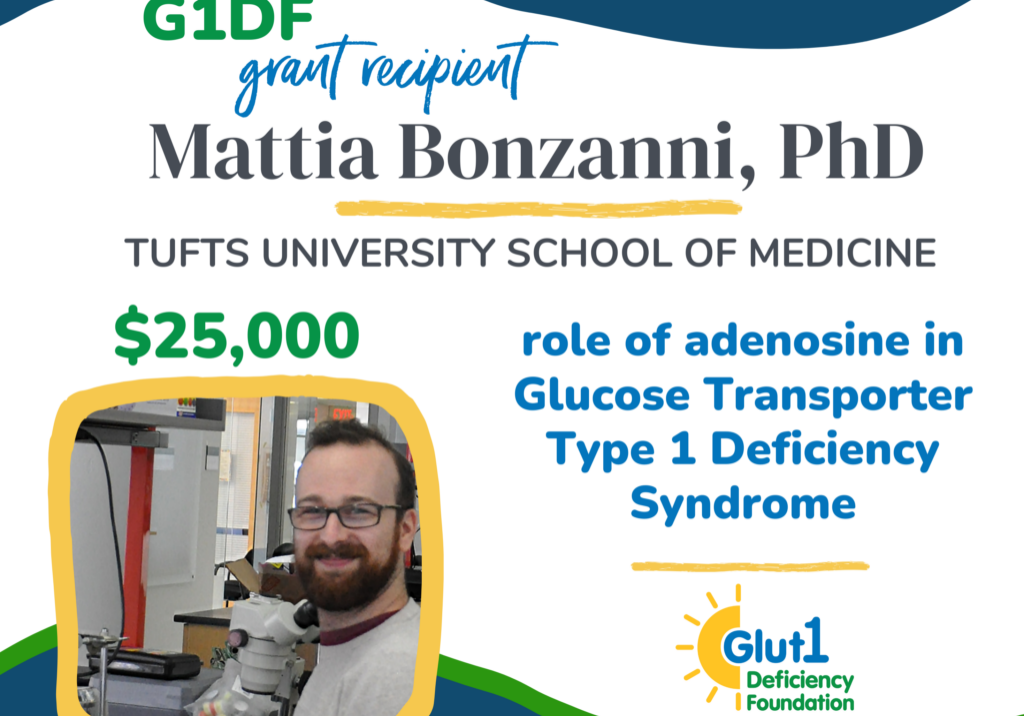
Mattia Bonzanni, PhD:
Title of presentation: Pharmacological inhibition of astrocytic GLUT1 reduces adenosine inhibitory action facilitating increased net synaptic transmission in the hippocampus
Summary: Whether neuronal activity can be sustained in the absence of astrocytic uptake of glucose trough GLUT1 transporter is a question which currently remains unsolved. When both astrocytes and neurons are exposed to lower glucose levels, synaptic transmission decreases. However, blocking astrocytic glucose uptake specifically—using a compound that targets GLUT1—increases synaptic transmission, regardless of glucose concentration. This boost in transmission is linked to reduced activity of the adenosine 1 receptor (A1R), which normally suppresses neural activity. When astrocytic glucose uptake is blocked, A1R activity drops, removing most of its inhibitory effect on synapses. These findings suggest that astrocytic glucose metabolism plays a key role in regulating baseline synaptic function via adenosine signal, and that altering astrocytic glucose transport can fine-tune brain signaling through adenosine pathways.
Soulmalya Chakraborty, MD:
Title of presentation: Do astrocytes haploinsufficient for Glut1 contribute significantly to Glut1 deficiency syndrome?
Summary: Glucose Transporter1 deficiency syndrome (Glut1DS) is a pediatric-onset brain disorder caused by haploinsufficiency of the SLC2A1 and therefore low levels of the SCL2A1-coded Glucose Transporter1 protein. Glut1 is found primarily in brain endothelial cells (lining brain capillaries) but also in brain astrocytes (support cells for brain neurons). A role for brain endothelial cells in Glut1DS has been previously established. A potential role for brain astrocytes in Glut1DS has not been similarly explored and is important to assess in the context of developing rational therapies for the condition. Astrocytes are critical regulators of brain energy metabolism and perform several important functions. They produce lactate, which is the preferred nutrient source of neurons, store glycogen, and regulate glutamate. Since many of these functions depend on entry of glucose into astrocytes and since Glut1 is the conduit through which glucose enters astrocytes, there is an important rationale for understanding if low Glut1 in these cells can cause cellular impairment and trigger disease. In this study we are investigating whether low Glut1 in astrocytes is disease-causing using model mice. At its conclusion, we expect to have a clearer idea of a possible contributing role for astrocytes in Glut1DS. Consequently, we will be in a better position to develop the most effective treatments for patients afflicted with the condition.
The next topic of lightning talks was “Research tools and technology”. You can find the summaries below.
Abraham Al-Ahmad, PhD:
Title of presentation: Update on induced pluripotent stem cells model of GLUT1 Deficiency Syndrome
Summary: In this lightning talk, Dr. Al-Ahmad presented updates on the use of induced pluripotent stem model of GLUT1 Deficiency Syndrome by focusing on recent findings obtained in the lab in regards of differentiation of such IPSCs into astrocytes and neural progenitor cells, as well as recent development in terms of development of a platform for the absolute quantification of GLUT1 at the protein level using a liquid-based chromatography technique coupled with mass-spectrometry (LC-MS), and a GLUT1-knockdown model using HEK293 cell line. Dr. Al-Ahmad has been collaborating with other researchers in the use of this technology.
Caroline Pearson, PhD:
Title of presentation: Determining the role of GLUT1 during human brain development
Summary: Our research investigates the role of GLUT1 in neural progenitor cells (NPCs) during early human cortical development, with the goal of uncovering mechanisms that underlie GLUT1 Deficiency Syndrome (GLUT1-DS) and related neurodevelopmental disorders. We focus on how GLUT1 expression regulates fundamental developmental programs, including cell cycle dynamics, morphogenesis, and cell fate specification. In GLUT1-deficient cerebral organoids, we observe features of premature differentiation, including an early shift toward asymmetric neurogenic divisions and increased neuronal output. Emerging data suggest that GLUT1 directly binds to and regulates the expression of N-cadherin in NPCs, contributing to premature delamination and differentiation. By identifying GLUT1 binding partners and examining the impact of patient-specific mutations, our work aims to reveal early pathogenic mechanisms and inform the development of targeted therapeutic strategies.
Tamio Furuse, PhD:
Title of presentation: A Tool for Glut1DS Research: A Mutant Mouse Strain Generated by Random Mutagenesis
Summary: In our previous study, we developed a genetic mouse model of Glut1 Deficiency Syndrome, designated B6(D2)-Slc2a1<Rgsc200>/1Rbrc. This strain carries the Slc2a1 Rgsc200 allele, induced by N-ethyl-N-nitrosourea (ENU), which causes a Ser324Pro missense substitution in the GLUT1 protein. While the Glut1DS Foundation has expressed interest in this model, it is currently available only from a Japanese repository. The process of depositing the strain to the MMRRC is underway, and the strain will soon be available there with support from the GLUT1 Deficiency Foundation for shipment and future research. In this workshop, he presented a summary of the phenotypic characterization of this mutant line.
The last topic of lightning talks was “Therapy Development” and the summaries are below.
Mariana Bollo, PhD:
Title of presentation: Targeting astrocytes to meet the energy demand in Glut1 Deficiency Syndrome
Summary: The long-term goal of this project is to offer a therapeutic option for patients with G1DS. Multiple preclinical experiments conducted in various animal models of brain injury and neurodegenerative disease indicate that the small molecule AST-004, which is being developed by Astrocyte Pharma, a Phase 2 clinical-stage company, acts as an effective neuroprotective agent by enhancing mitochondrial ATP production in astrocytes. In this context, we propose to assess the efficacy of AST-004 in meeting energy requirements in cellular and animal models of Glut1 deficiency syndrome.
Casey Vickstrom, MD, PhD:
Title of presentation: ASO development to upregulate GLUT1 as a potential therapeutic
Summary: In the labs of Dr. Timothy Miller and Dr. Christina Gurnett, I am developing antisense oligonucleotides (ASOs) that upregulate protein expression by targeting negative regulatory elements within mRNA untranslated regions. We have identified specific mRNA elements in GLUT1 that, when blocked by ASOs, prevent mRNA degradation and increase GLUT1 mRNA levels. Preliminary cell culture data demonstrate successful upregulation of GLUT1. We are now optimizing ASO chemistry and target selection and will validate the efficacy of lead ASOs through functional outcomes such as enhanced glucose transport and cell viability in model systems. Future directions include testing in more disease-relevant systems, such as iPSC-derived human endothelial cells and/or astrocytes from GLUT1-DS patients and humanized animal models. Key challenges include deriving CNS endothelial cells from IPSCs and the testing of possible disease-modifying therapies in in vivo models. Helpful collaborations could include with those who have expertise in deriving endothelial cells from IPSCs, expertise in GLUT1-DS animal models, and experience with other therapeutic strategies (e.g. AAV approaches).
Robin Williams:
Title of presentation: Validating a new dietary approach for the treatment of Glut1DS
Summary: Ketogenic diets provide the first-choice option for those with a diagnosis of Glut1DS. Although these diets are effective, the stringent reduction of carbohydrates in these diets is often difficult to maintain, especially after childhood. Our research has developed a new dietary approach, consisting of a specific blend of medium chain fatty acids, that is effective in the treatment of patients with a diagnosis of drug-resistant epilepsy. The new diet has been validated in a clinical trial, that included one child with Glut1DS with gait difficulties that became free of paroxysmal events using the diet. This talk with describe a recent study to investigate how the diet works, in stem cells derived from an individual with a diagnosis of Glut1DS. We show that the medium chain fatty acid blend reproduces many of beneficial effects of a ketogenic diet in improving energy supply, but without the need for low glucose levels caused by dietary carbohydrate restriction that is necessary or the generation of ketones. We also show that the medium chain fatty acid blend changes neurotransmitter receptors, that could indicate how diet works to stop seizures. Further studies are necessary to validate these findings.
Hudson Freeze, PhD:
Title of presentation: Fucose-a possible therapy for GLUT1DS
Summary: Dr. Freeze introduced a new therapeutic idea: using fucose, a sugar, as a potential treatment for GLUT1 Deficiency Syndrome. This idea stemmed from an early patient with immune problems linked to a fucose metabolism defect. After fucose supplementation, the child’s health improved dramatically, sparking further interest.
Dr. Freeze and his team discovered that fucose can be transported by GLUT1, even at very low concentrations, and that it can be incorporated into glycoproteins more than previously thought, especially when supplied externally. This challenged older beliefs that most fucose came from internal conversion of other sugars like glucose and mannose. They also found that different proteins “prefer” different sources of fucose, some favoring the external kind and others the internal one, revealing a complex and selective cellular regulation of glycosylation sources.
Dr. Freeze shared a striking case of a child with GLUT1 Deficiency who had major motor problems, and communication issues, and who was not responsive to the diet. This patient is under the care of Dr. Thorsten Marquardt, a long-term colleague of Dr. Freeze. Based on Dr. Freeze’s discovery, Dr. Marquardt decided to start his young patient on fucose. After beginning fucose therapy, he showed dramatic improvements in strength, motor function, and cognitive engagement. These findings highlight the need for clinical trials, a reliable fucose supply, and further research into how cells regulate sugar metabolism, offering new hope for improved treatment options for patients in the GLUT1 Deficiency community.
Jong Rho, MD, PhD:
Title of presentation: Mitochondrial Impairment and Rescue: A Scientific and Therapeutic Paradigm for GLUT1-DS?
Summary: In his presentation, Dr. Jong Rho explored the idea that targeting mitochondrial dysfunction may offer a novel therapeutic avenue not only for seizure control but also potentially for GLUT1 Deficiency Syndrome. Although he did not directly focus on GLUT1 Deficiency, Dr. Rho talked about the possibility of examining mitochondria as both a neuroprotective and anti-seizure strategy. According to Dr. Rho, metabolic epilepsies like GLUT1 Deficiency involve disruptions across multiple systems such as glucose transport, neurotransmission, inflammation, oxidative stress, and cell survival, so treatment approaches that address cellular energy metabolism and neurodegeneration, not just symptom relief, could offer long-term benefits. Dr. Rho shared earlier research showing that mitochondria, particularly through ketone body metabolism, play a crucial role by improving ATP production, reducing oxidative stress, and promoting neuroprotection through multiple mechanisms. In addition, he talked about how ketogenic diets enhance mitochondrial function and can influence cell survival pathways. Finally, Dr. Rho explored the idea of targeting mitochondrial proteins, specifically, components of the mitochondrial permeability transition (mPTP) pore, which can mimic the anti-seizure effects of ketone bodies without requiring patients to follow a strict ketogenic diet.
Timothy Ryan, PhD:
Title of presentation: A therapeutic opportunity to suppress the consequences of glucose deficiency in the brain
Summary: A decade ago a chemical screen for FDA approved compounds was carried out in drosophila (fly models) in the attempt to identify drugs that might prove protective against cell death. This work identified Terazosin (TZ), an alpha1 receptor antagonist prescribed for benign prostate hyperplasia, as a protective agent. The work showed however that this protection likely arose as an off-target effect on the glycolytic enzyme PGK-1, where TZ acts as a mild activator of the enzyme. Subsequent studies showed that TZ was highly protective against numerous models of Parkinson’s disease, a neurodegenerative disorder long suspected to be in part to be driven by deficits in mid-brain bioenergetics. The Ryan lab subsequently determined that enhancing PGK-1 activity at synapses dramatically improves activity-driven stimulation of ATP production, particularly when glucose becomes limiting. These results suggest a that TZ might prove effective in the case of Glut1 deficiency.
Umrao Monani, PhD:
Title of presentation: Glut1 augmentation to treat Glut1 deficiency syndrome
Summary: The Monani lab at the Columbia University Medical Centre is engaged in the study of pediatric neurological diseases with a view to gaining a better appreciation of the selective vulnerability of neurons to death and dysfunction owing to perturbations in housekeeping proteins. One of these diseases, Glucose Transporter-1 deficiency syndrome (Glut1DS), is an especially useful paradigm and a major focus of the laboratory. Glut1DS is a prototypical brain energy failure syndrome with an urgent unmet medical need. It is caused by a haploinsufficiency of the SLC2A1 gene and, consequently, reduced levels of its translated product, the Glut1 protein. The disease is currently treated with high-fat diets, but these do not address its root cause – low Glut1 – and therapeutic outcomes are highly variable. Raising Glut1 from the remaining intact SLC2A1 allele, which is present in most patients, or by gene replacement, are intuitively appealing alternative therapeutic strategies. Dr. Monani’s presentation will focus on the use of viral vectors to accomplish this. Discussions of the therapeutic effects of the approach being employed and the challenges associated with translating pre-clinical findings into safe, effective and viable clinical therapies will animate the presentation.
GLUT1 Deficiency Research Dinner:
We finished day one of the workshop with dinner at Fraunces Tavern where the Jean Baptiste family and the Isaacson family shared their experiences, and researchers and clinicians had the opportunity to present their work and project ideas. We thank the Isaacson Family Foundation for sponsoring this dinner and for sharing their story.
On day two we had a couple more lightning talks around therapy development as well as updates from Dr. Juan Pascual and his lab members. Below you can find the summaries of the presentations.
Rodrigo Starosta, MD, PhD:
Title of presentation: Fucose clinical trial
Summary: Dr. Rodrigo Starosta presented an update on the upcoming clinical trial exploring fucose therapy for adults with GLUT1 Deficiency. Fucose is a naturally occurring sugar, which is also transported by the GLUT1 transporter. Preclinical research performed by Drs. Pascual, Gentry, Sun, and Freeze has demonstrated hypofucosylation (low glycosylation) in the brains of GLUT1 Deficiency mice, which showed improvements after receiving treatment with fucose, raising the possibility that supplementing fucose could be therapeutic for GLUT1 Deficiency. Furthermore, clinical experience using fucose in congenital disorders of glycosylation (CDGs) suggests that it is safe and effective at reasonable doses.
The upcoming phase II clinical trial will be a double-blind, placebo-controlled, cross-over trial that will evaluate both safety and efficacy. A double-blind, placebo-controlled trial is a study where neither the participants nor the researcher know who is receiving the treatment and/or the placebo. In addition, each participant receives the treatments and the placebo at different times during the study. Ataxia will be used as the primary outcome for efficacy, and blood work and physical exams for safety (as well as monitoring for side effects), and secondary outcomes include dysarthria, seizure frequency, migraine frequency, paroxysmal dyskinesia/dystonia frequency, quality of life, and blood collection will be used for biomarker discovery studies. Inclusion criteria for the trial requires adult patients with confirmed GLUT1 and clinical symptoms of GLUT1 Deficiency such as epilepsy, movement disorders, and presence of ataxia. The trial will take place at Oregon Health Science University (OHSU). Currently, Dr. Starosta is awaiting approval from the FDA to begin enrollment of 12–16 participants. The study reflects a collaborative effort across institutions, with support from the GLUT1 Deficiency Foundation.
Deborah Rafferty, PhD:
Title of presentation: Does treatment with Diazoxide elevate the plasma glucose levels in persons with GLUT1 Deficiency Syndrome?
Summary: The current standard of care for Glut1 Deficiency Syndrome (Glut1DS) is to introduce the ketogenic diet which can be difficult to follow during a particularly. Therefore, novel approaches are required for those unable to tolerate the long-term consequences of a ketogenic diet.
The study intends to evaluate an alternative method to elevate the plasma glucose in patients who no longer follow a ketogenic diet. We have proposed an open label, multiple ascending dose study to study the effectiveness of diazoxide at doses of 3 mg/kg, 5 mg/kg and 7 mg/kg to elevate the fasting glucose, 2-hour post prandial glucose, and the mean glucose over 7 days measured by continuous glucose monitor (CGM). For each subject, after a 14-day baseline period, subjects will commence a series of three diazoxide dose escalations (3, 5, and 7 mg/kg/day). The subject will monitor blood glucose concentrations using both finger stick point of care glucose monitoring and will wear a Continuous Glucose monitor (CGM). Between each dose escalation, a study visit will occur during which a mixed meal tolerance test (MMTT) performed, and Dexcom and POC glucose data will be reviewed.
Study Aim: To determine if the currently approved diazoxide formulation for the treatment of hyperinsulinism can increase fasting and post-prandial plasma glucose levels and mean CGM glucose levels in persons with Glut1DS.
Juan Pascual, MD, PhD:
Title of presentation: Pascual lab updates
Summary: Dr. Juan Pascual and members of his lab shared information about several projects they have worked on in the past or are currently pursuing. Dr. Pascual discussed a high-throughput screening study conducted in collaboration with Dr. Jason Park. The goal of the study was to identify compounds that activate or inhibit glucose transport in human lung cells as a testbed. Selected compounds would be administered to a Glut1 Deficiency mouse model to observe for improvements with gait analysis as the initial readout. They analyzed 9,646 compounds, and among them identified five FDA-approved drugs currently prescribed for other conditions, including Acetazolamide. A survey conducted within the GLUT1 Deficiency community showed that Acetazolamide has been used by patients and is perceived to be effective for seizure control.
Ms. Gauri Kathote presented results from a study on the use of triheptanoin (C7 oil) as a potential intervention for GLUT1 Deficiency. She showed that long term treatment for 6 months was well tolerated with minor side effects. The primary outcomes focused on sustained attention and an illness severity scale, both of which showed improvement after 6 months of treatment and showed signs of reversal 3 months after termination of treatment. In addition, some patients exhibited changes in EEG patterns that showed a correlation with improved sustained attention.
Dr. Vikram Jakkamsetti focused his presentation on preliminary results from the speech study conducted during the 2024 GLUT1 Deficiency conference in Dallas. Dr. Jakkamsetti highlighted various levels involved in speech analysis—including cognition, brain circuits and body components involved in vocalization and his initial focus on cerebellum’s contribution to speech. While data analysis is still ongoing, early findings indicate that patients with GLUT1 Deficiency exhibit instability when voicing certain sounds, such as “aah” and “shh,” possibly reflecting cerebellar involvement. The next steps in the analysis will explore how age and specific gene mutations influence speech characteristics in affected individuals
Dr. Qian Ma shared updates on her ongoing fucose study in Glut1 deficient mice. She showed that normal fucose metabolism associated compounds are decreased in all studied brain regions of Glut1 deficient mice. The research aims to identify the optimal treatment dose, examine the effects of fucose on behavior and locomotion, and assess gender differences in treatment response.
Finally, Dr. Jacob Awkal presented findings from their work with pigs on extracorporeal pulsatile circulatory control (EPCC). He explained how this model enables separation of brain circulation from the rest of the body, allowing researchers to study the impact of glucose and other metabolic compounds and medicines on neural activity independently. Their goal is to develop a pig model for GLUT1 Deficiency, given the closer similarities between pig (as compared to mouse) and human brains.
Research and Clinical Workshops:
The morning lightning talks were followed by the clinical and research workshops were Glenna and I led discussions around different topics including animal models of the disease, biomarker discovery, a disease severity scale and ideas for establishing centers of excellence/multidisciplinary centers of care for our community, among others.
We were encouraged to see how actively all participants engaged in the discussions, sharing their expertise and ideas to help move projects forward and provide better support to our global community of families, researchers, and clinicians. Workshop participants who chose to be part of working groups will continue to meet virtually to discuss the various projects explored during the workshop. Additionally, researchers and clinicians who were not present will also have the opportunity to participate in these working groups if they are interested.
Once again, I would like to thank all the participants and everyone involved, including our donors, who made this event possible. We took a big step forward in advancing research and clinical care for our loved ones.
Thank you for visiting our blog and please contact me at sojeda@g1dfoundation if you have any questions.