Meeting Highlights: 9th Global Symposium on Ketogenic Therapies & 5th European GLUT1 Meeting

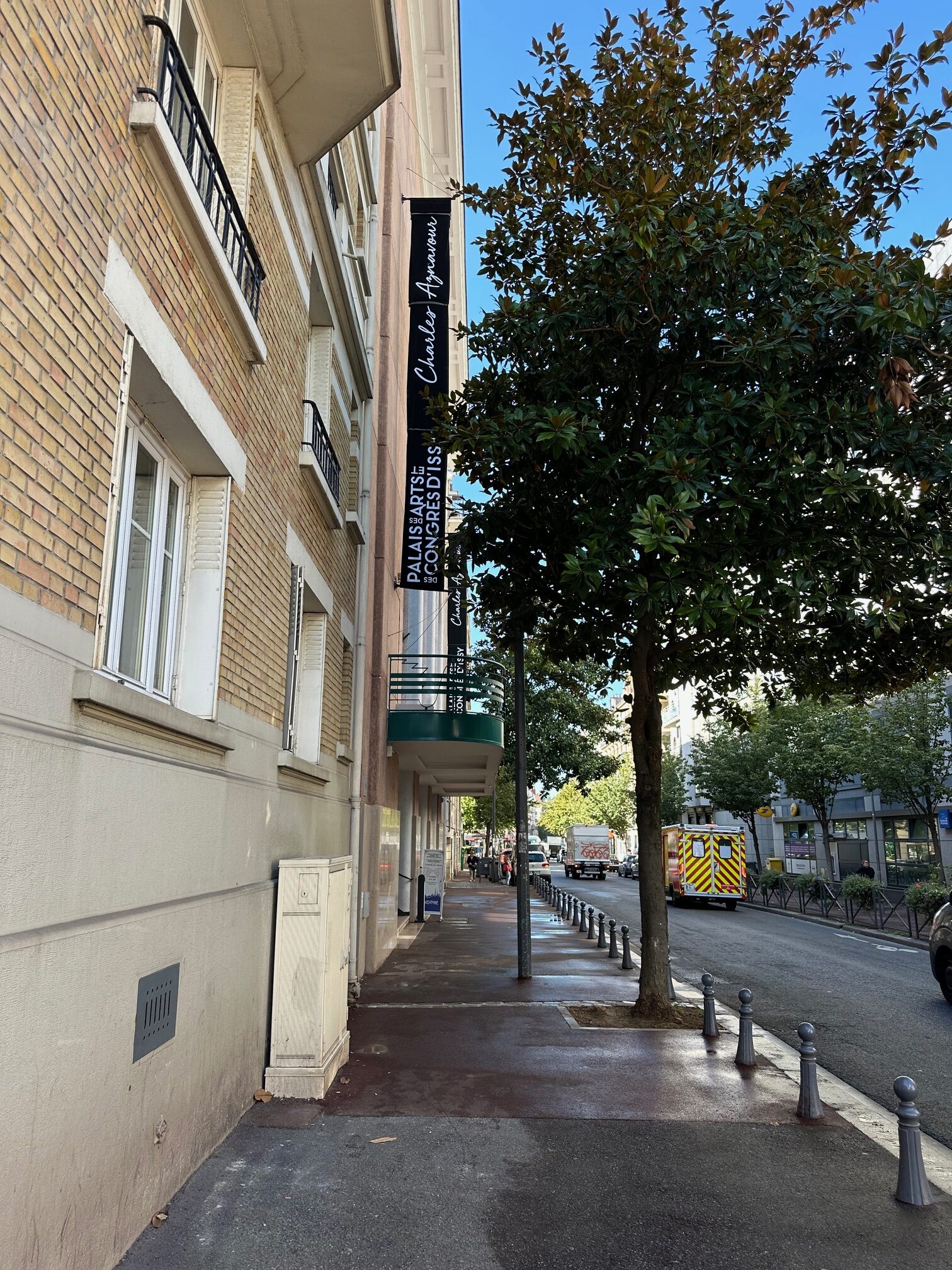
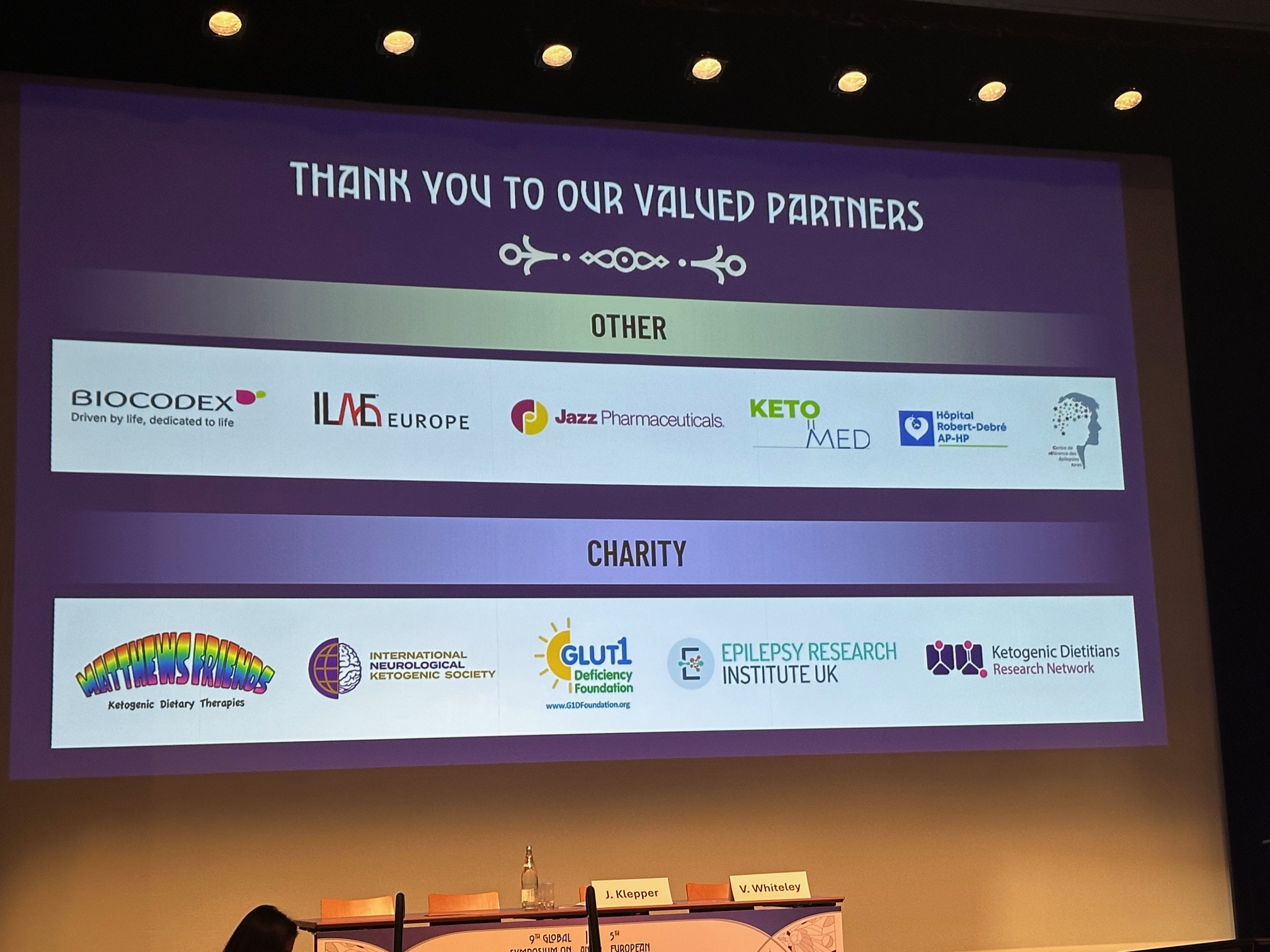
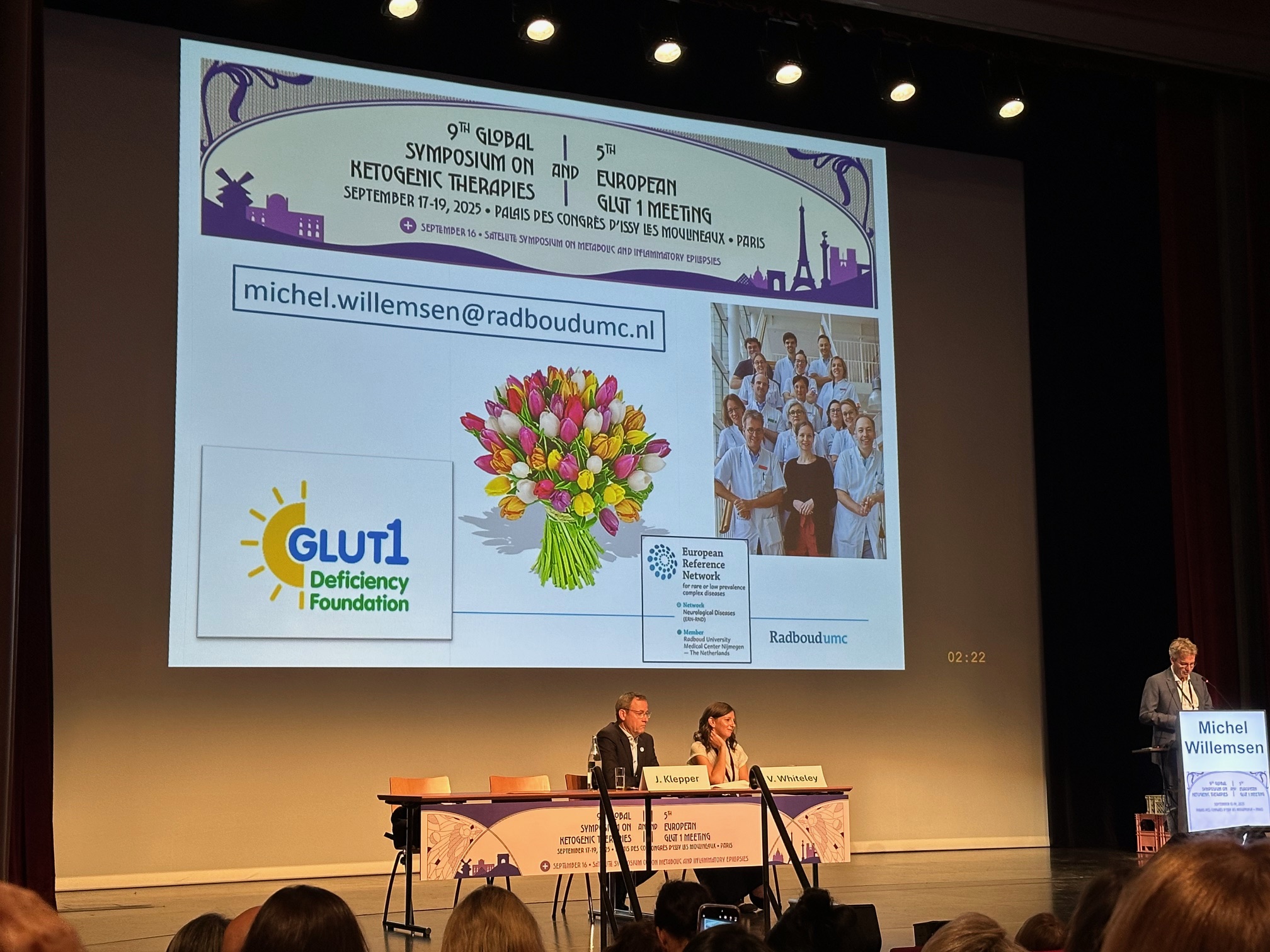
The GLUT1 Deficiency Foundation was honored to be able to attend the 5th European GLUT1 Meeting and the 9th Global Symposium on Ketogenic Therapies – a joint meeting held last week in Paris, France. A satellite symposium was held just before the meeting kicked off, focusing on the bridge between epilepsy, metabolism, and inflammation and helped set the stage for the rest of the time together.
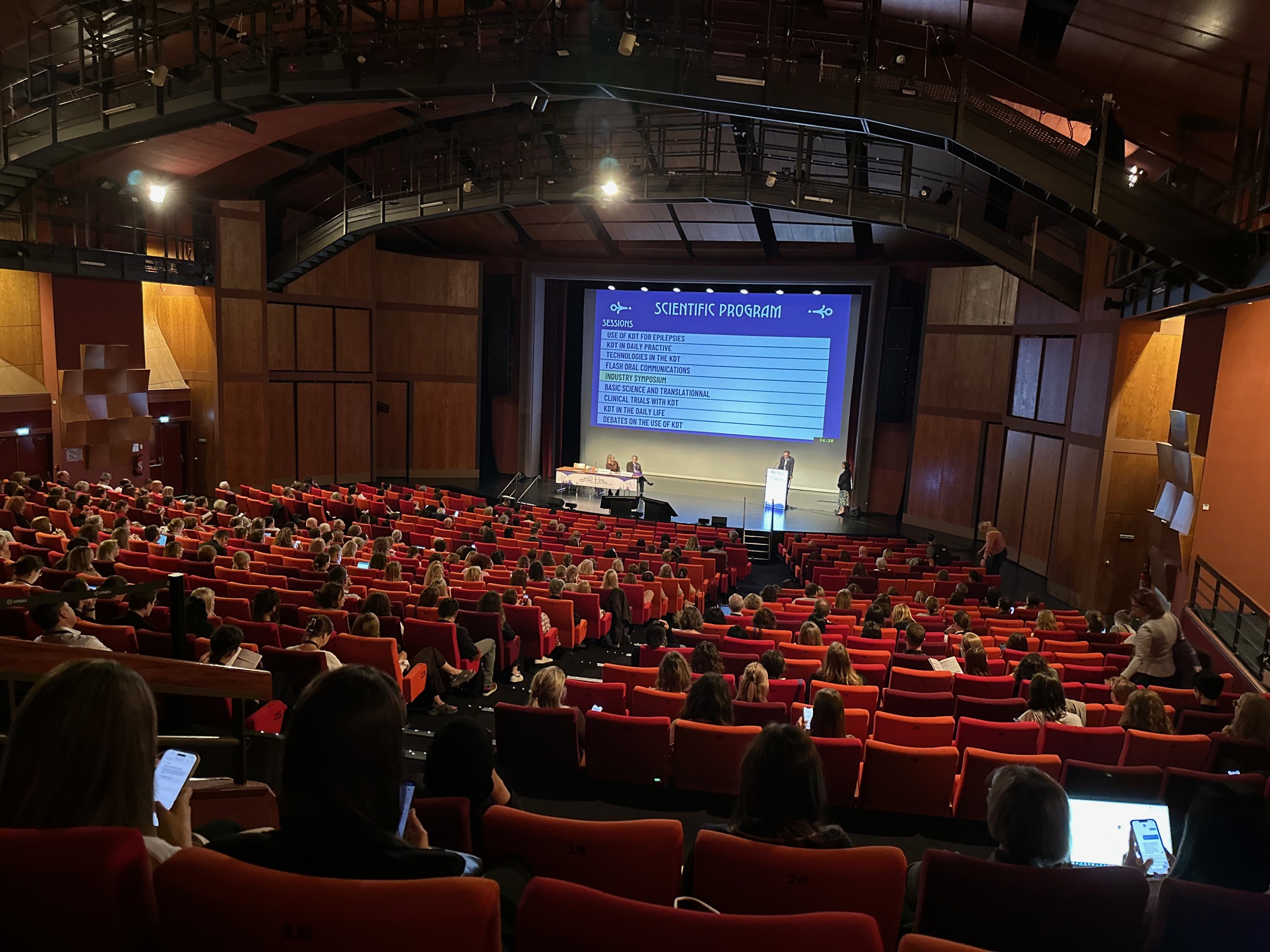
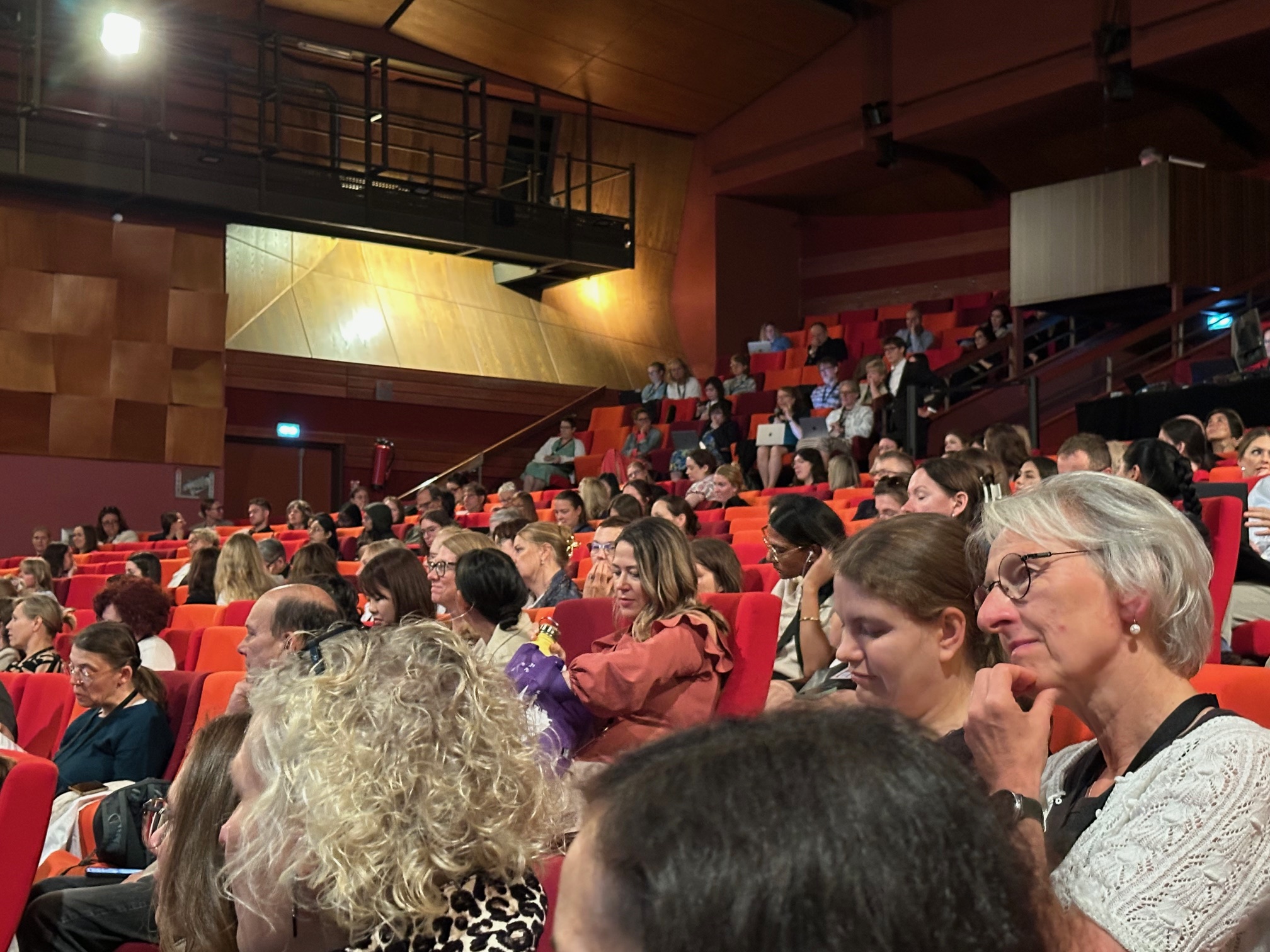
The event brought together over 500 attendees from 53 countries – basic scientists, clinicians, dietitians, patient advocates, and families, offering a mix of breakthroughs, challenges, and discussions on the path ahead for optimizing ketogenic therapies, supporting patients and families, and increasing access to these life-changing treatments.
There were several major themes with both scientific and clinical implications:
- Mechanistic Insights and Biomarkers
New work was presented on metabolic, genetic, and neurophysiological markers that might predict who will respond best to ketogenic therapies, and why. Researchers are narrowing in on molecular pathways that provide mechanistic insights and could help tailor treatments more precisely for better outcomes. - Ketogenic Diet Variants and Flexibility
There has been increasing attention to less restrictive or modified ketogenic diets, especially for older children and adults, balancing efficacy with quality of life. Some new data was shared on tolerability, side effect profiles, and long-term outcomes of variant diet formulations. - GLUT1 Deficiency Focus
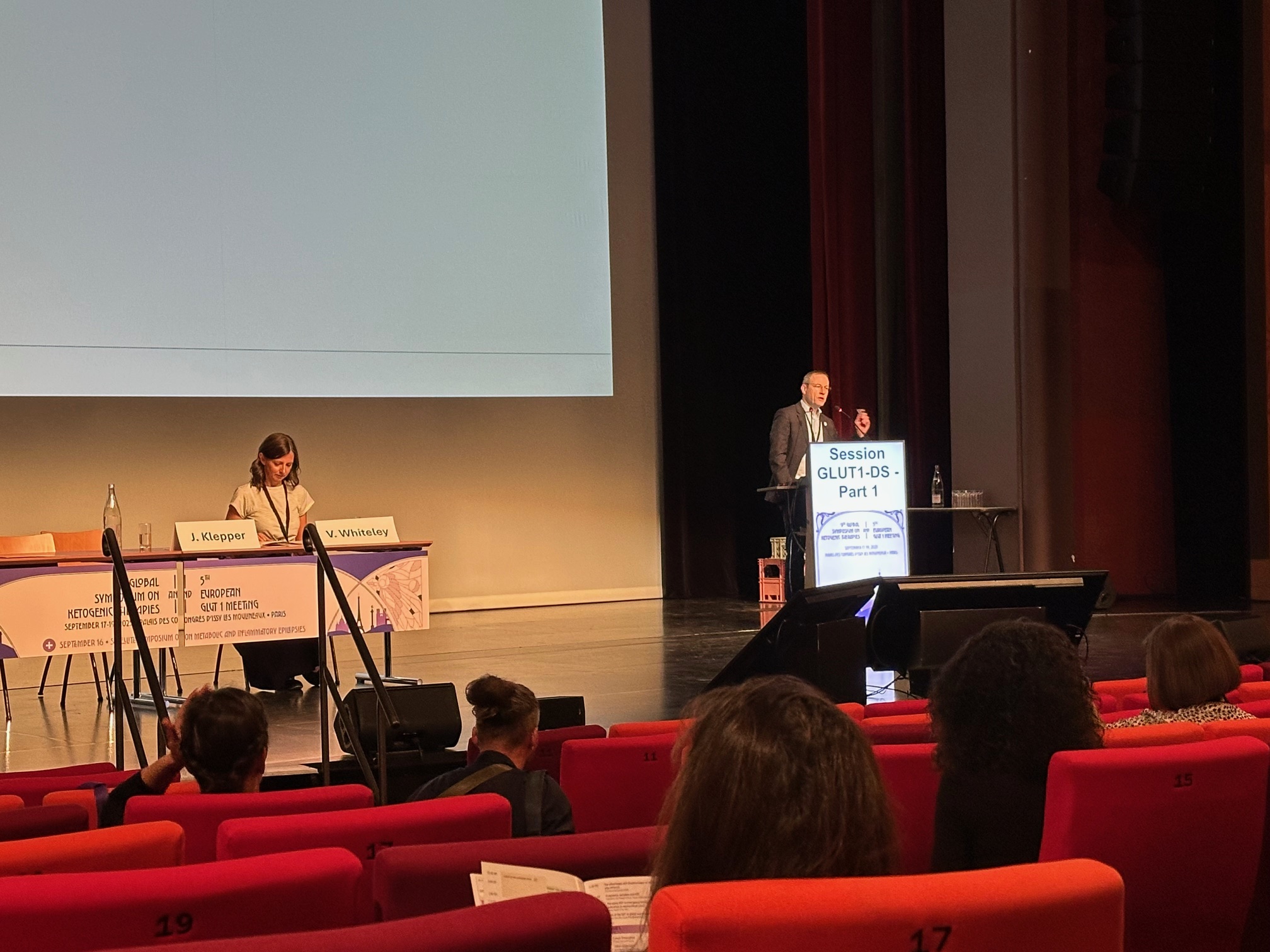
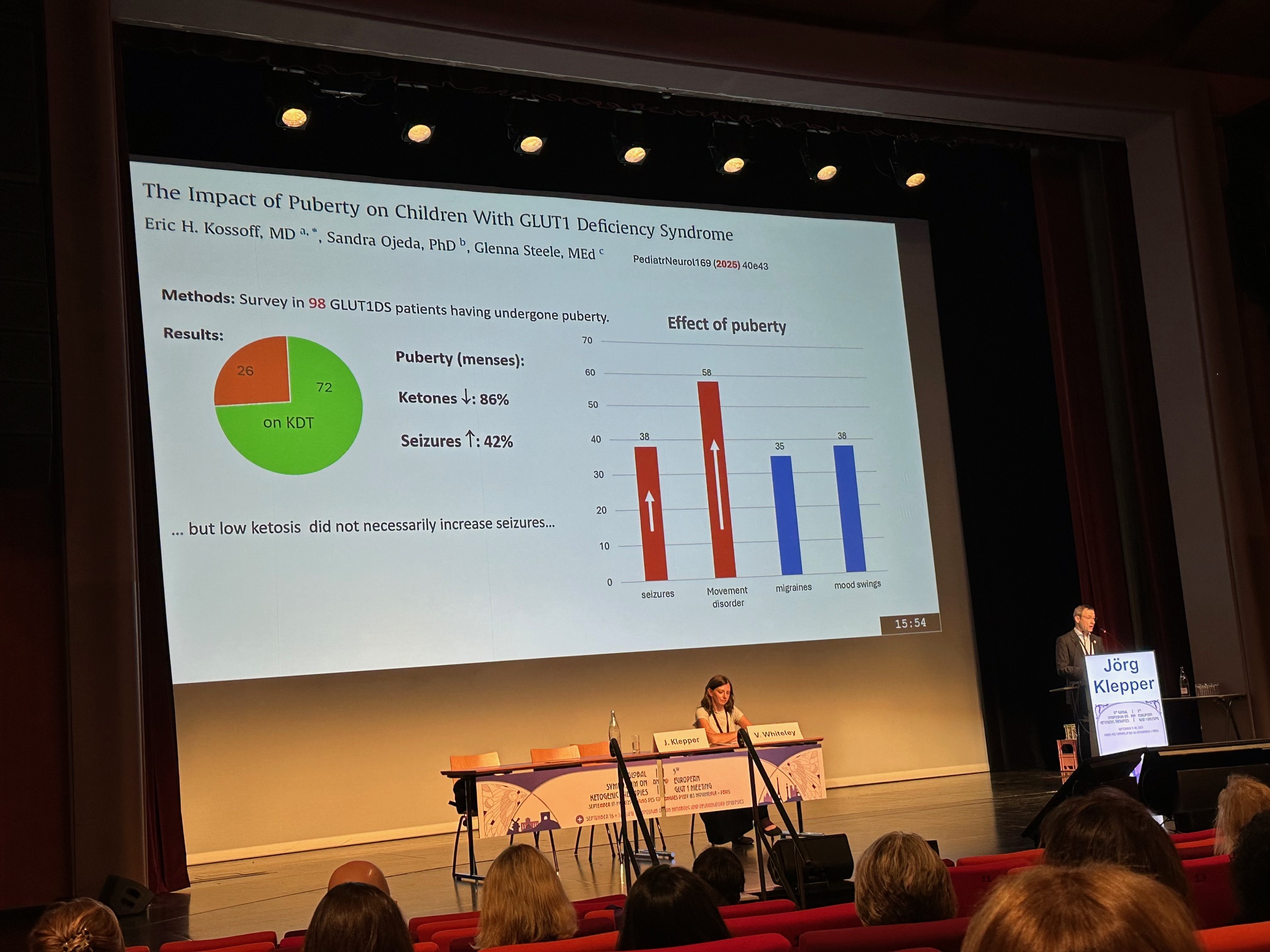
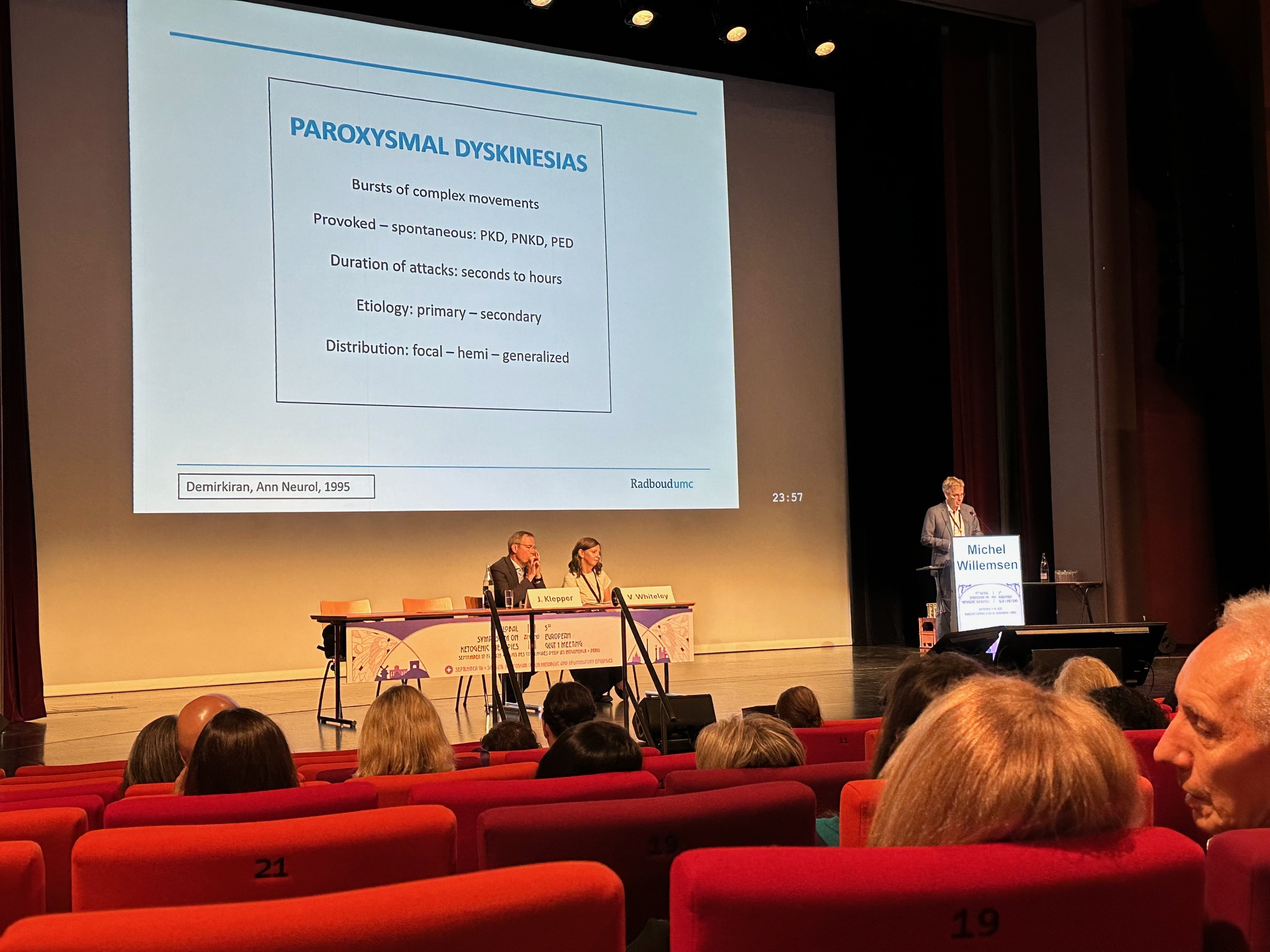
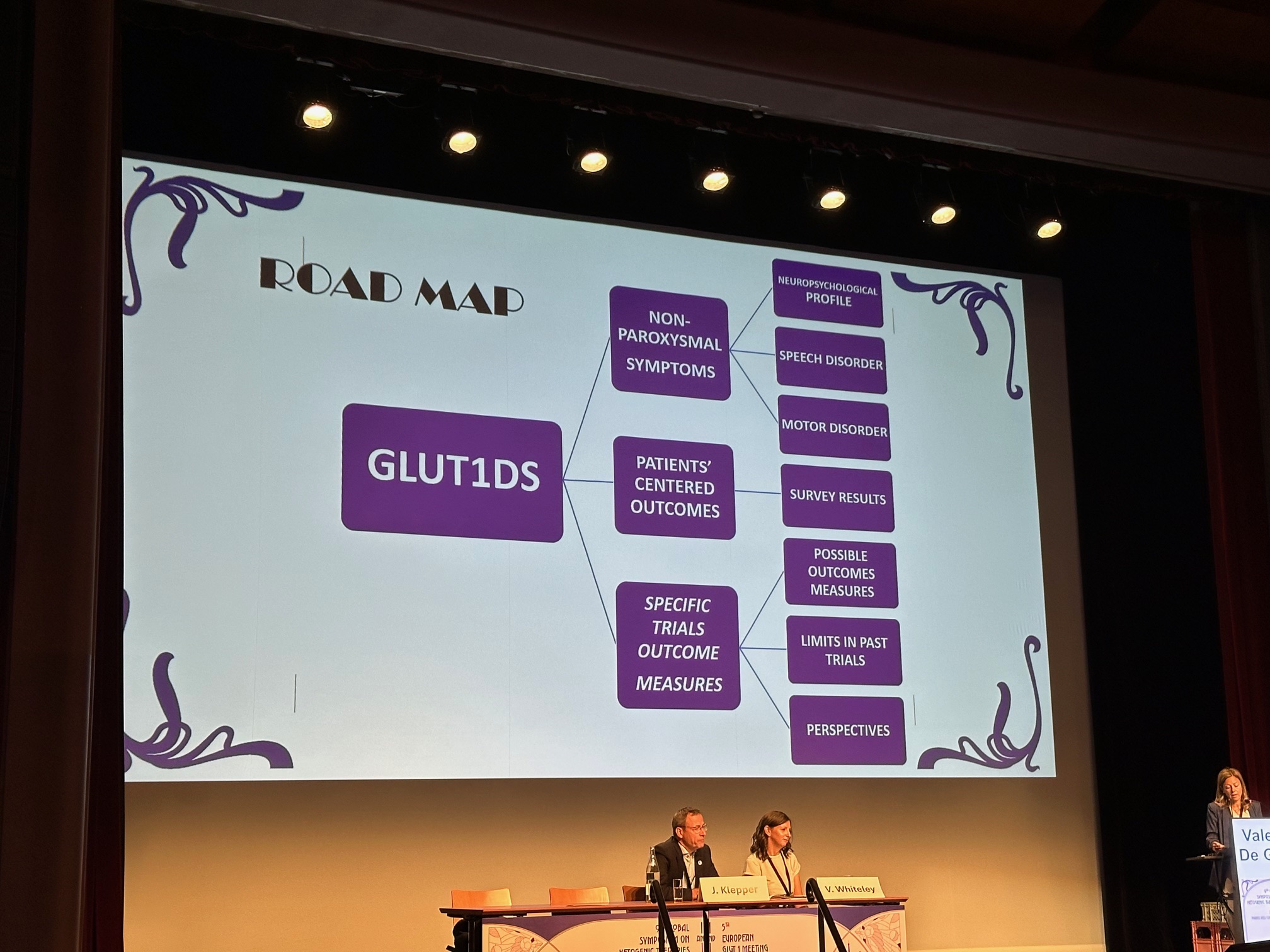
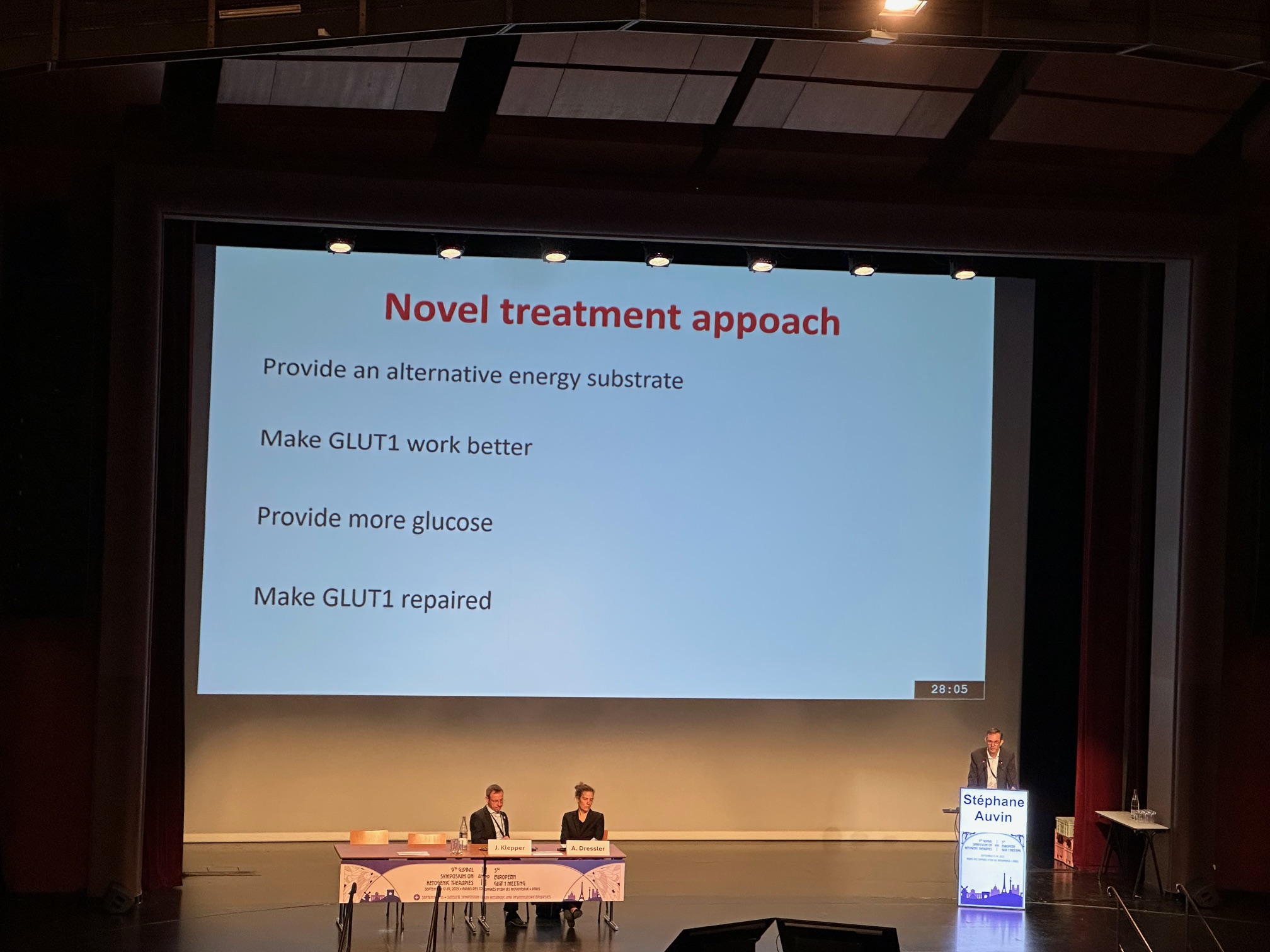
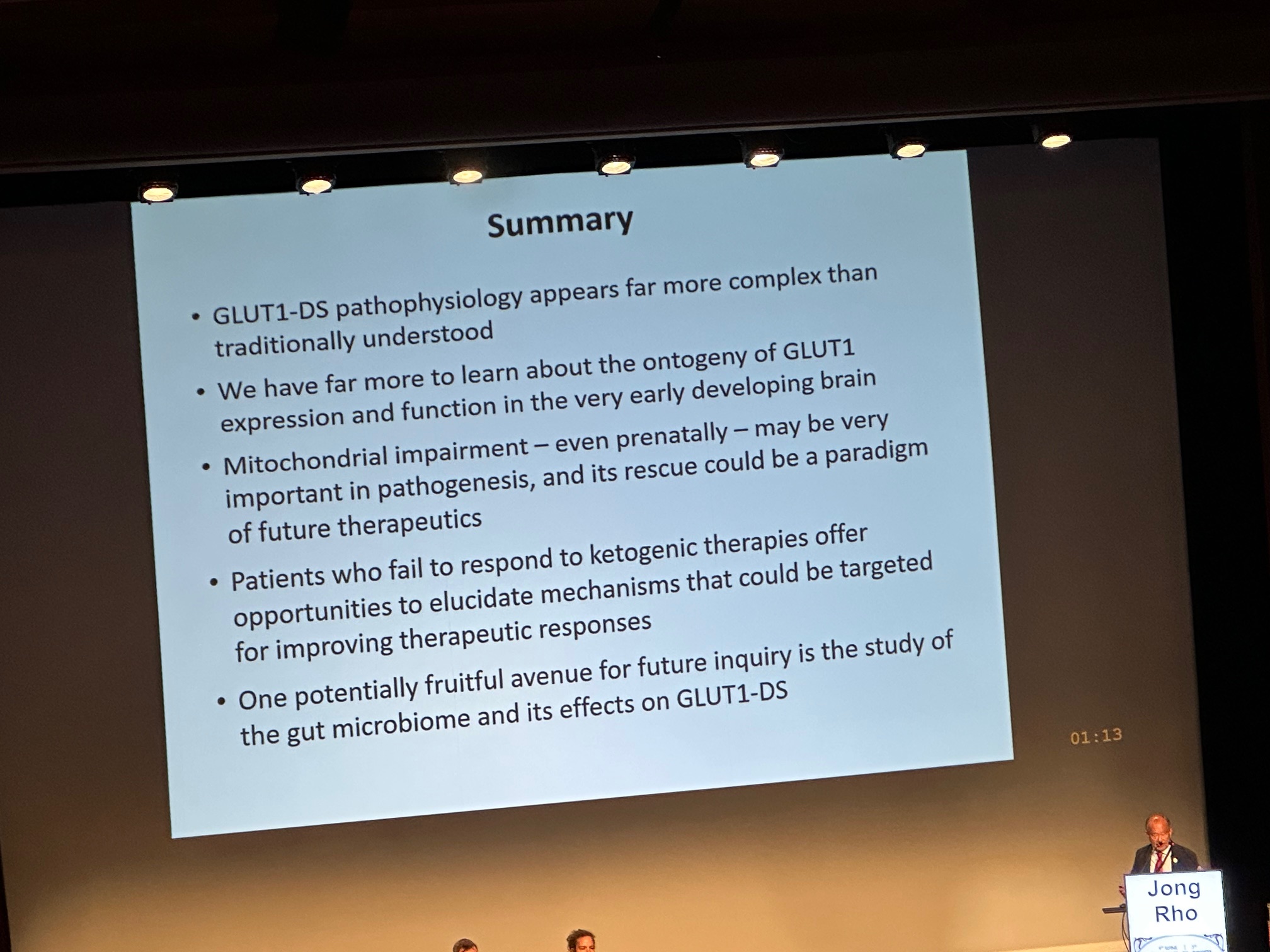
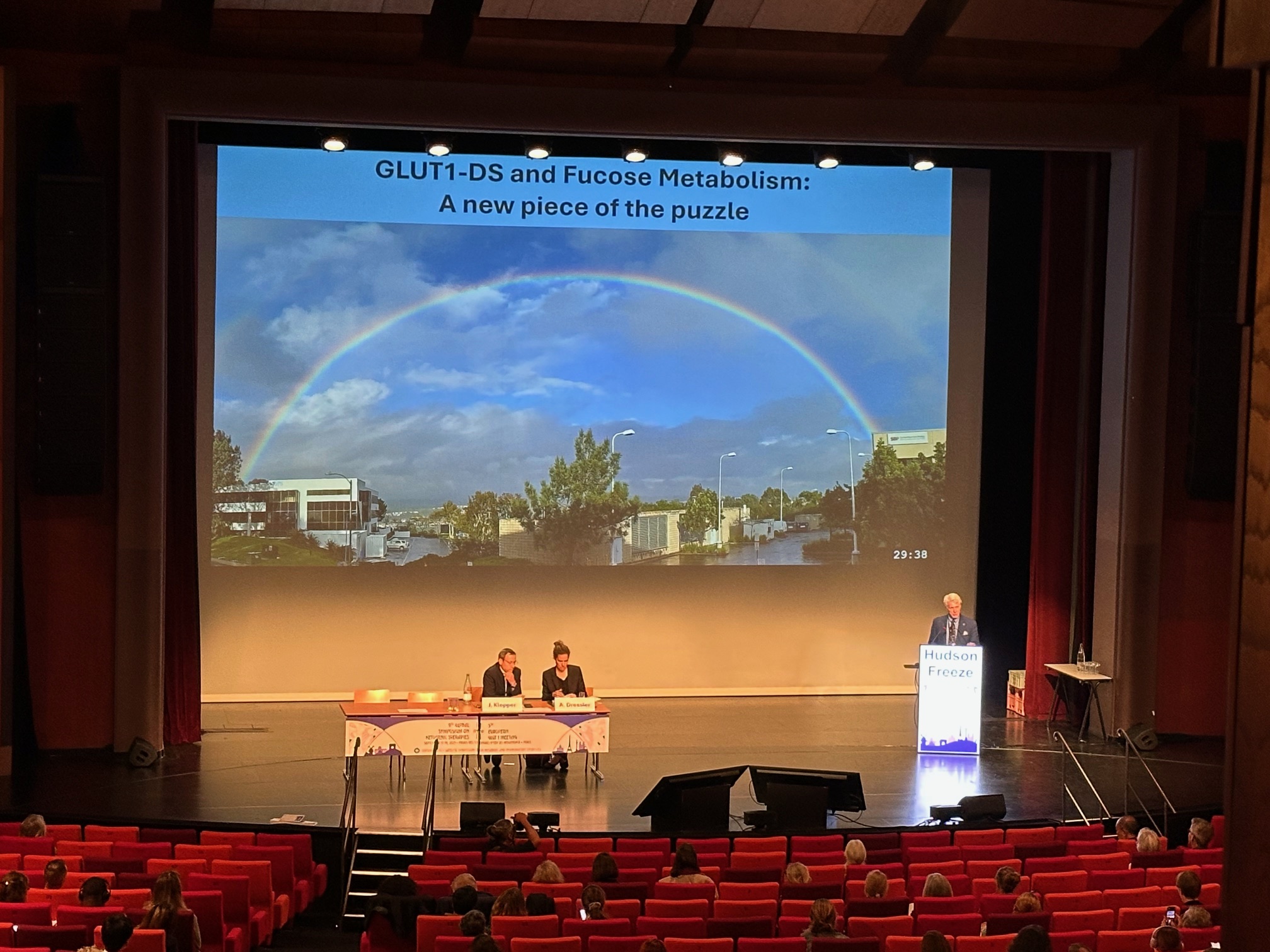
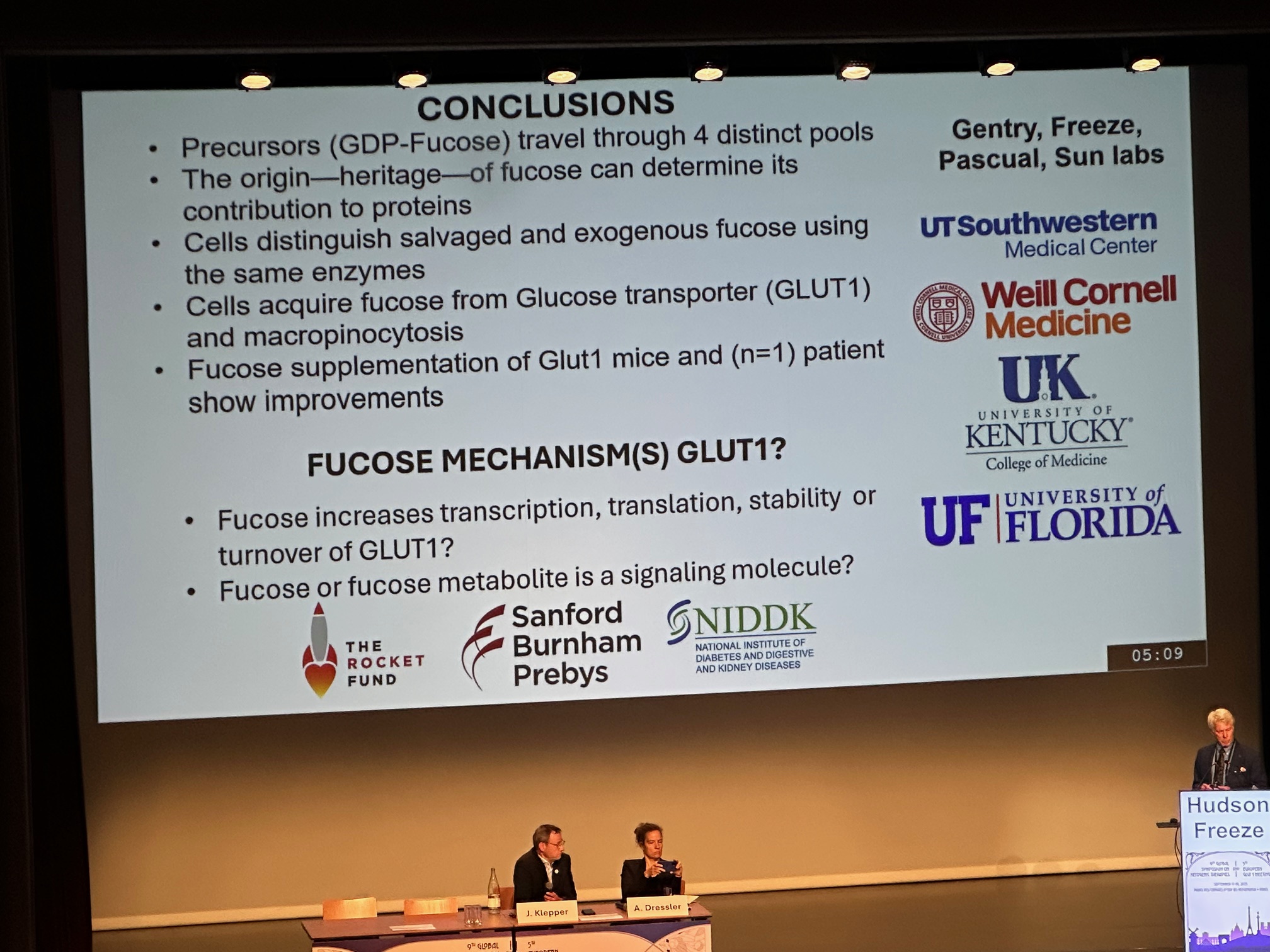
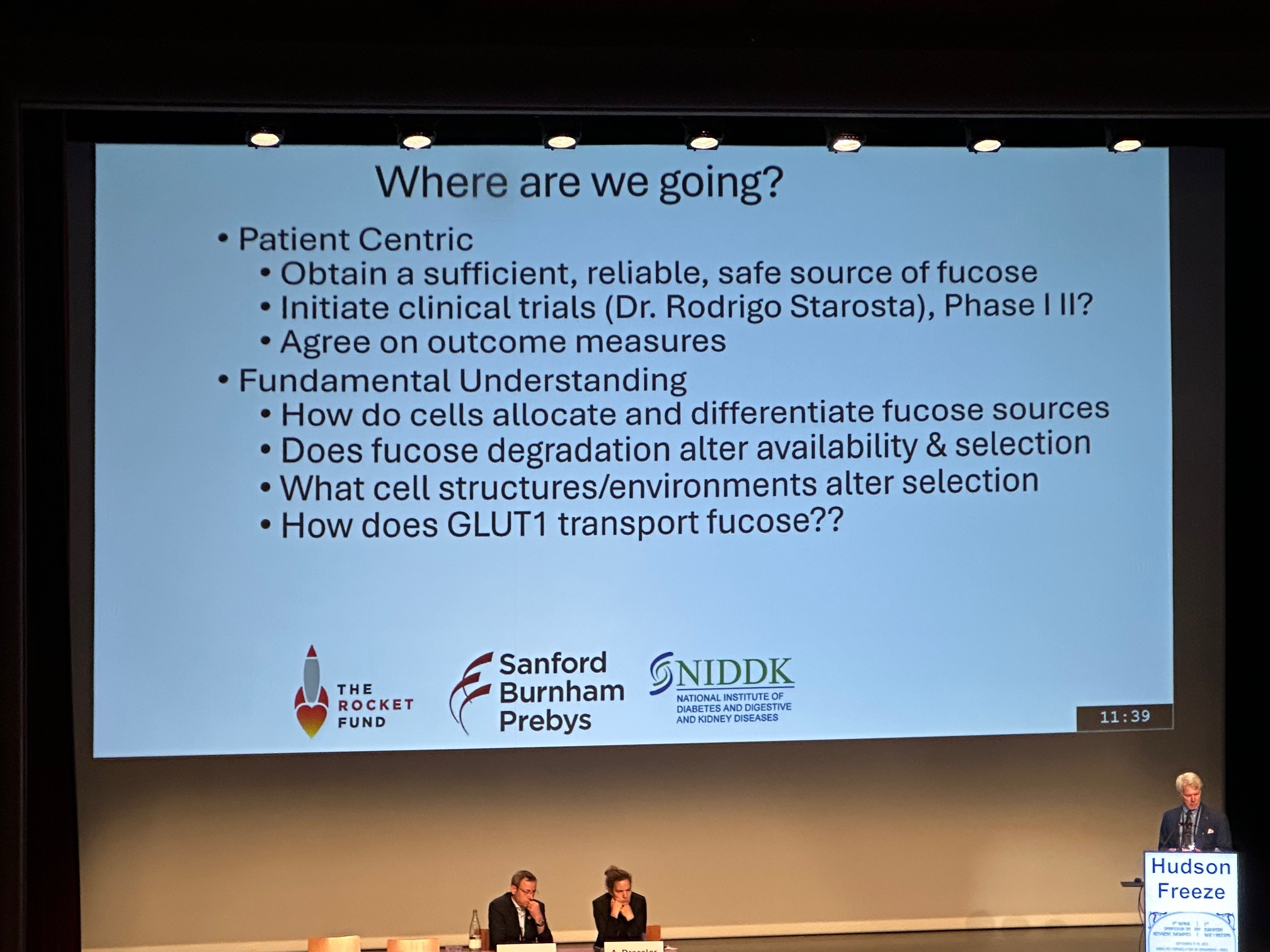
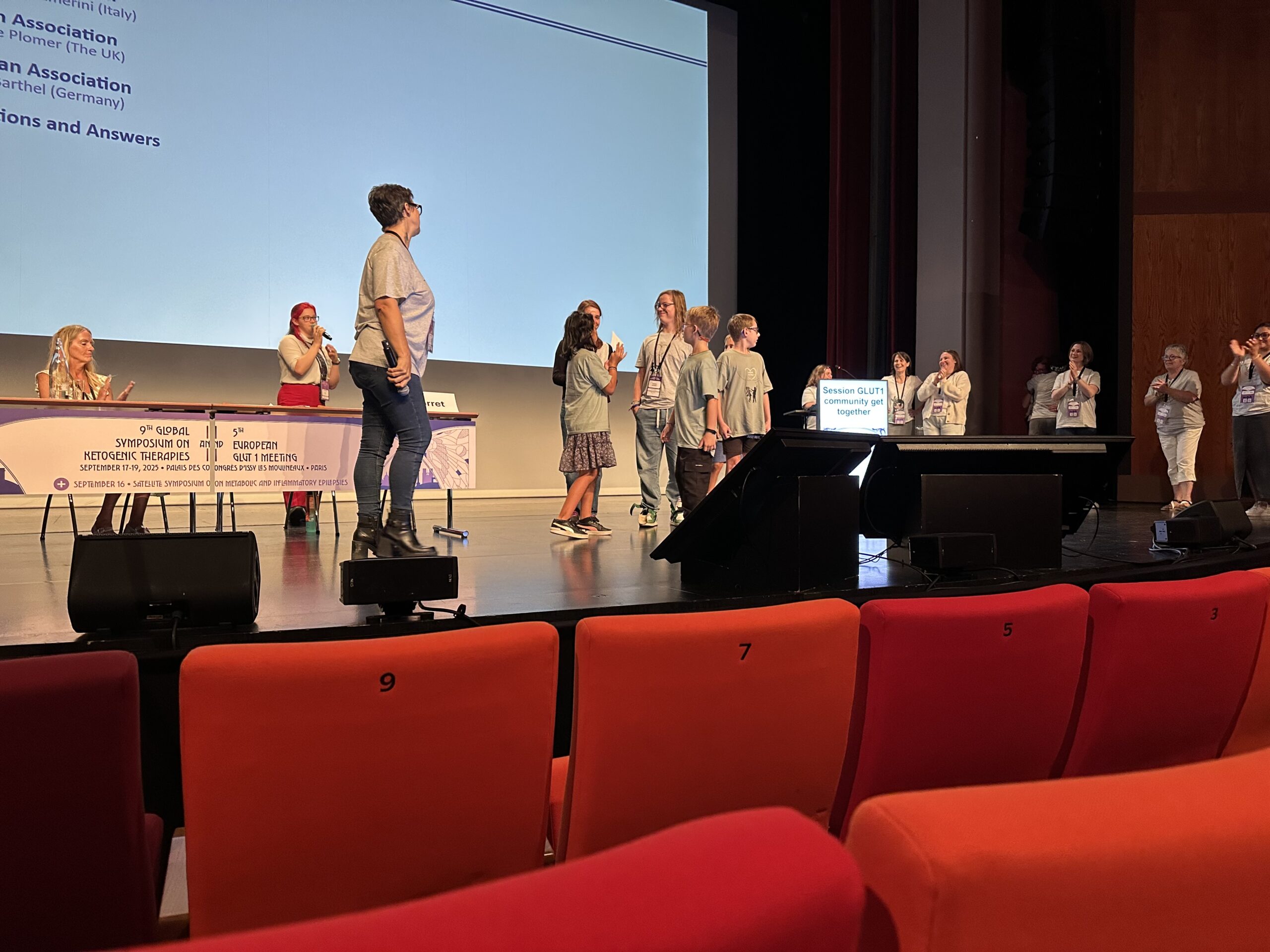
Given the joint nature of the meeting, GLUT1 Deficiency had significant focus in the sessions and many of the G1DF Medical and Scientific Advisory Board members had prominent roles in organizing the symposium, presenting, and leading discussions, which featured updates on diagnosis, management, and research; discussions about natural history; and the role of multidisciplinary care (neurology, genetics, nutrition, and more). Several European patient advocacy organizations for GLUT1 Deficiency were also spotlighted (UK, France, Germany, and Italy) and helped ground the discussions in real life experiences.
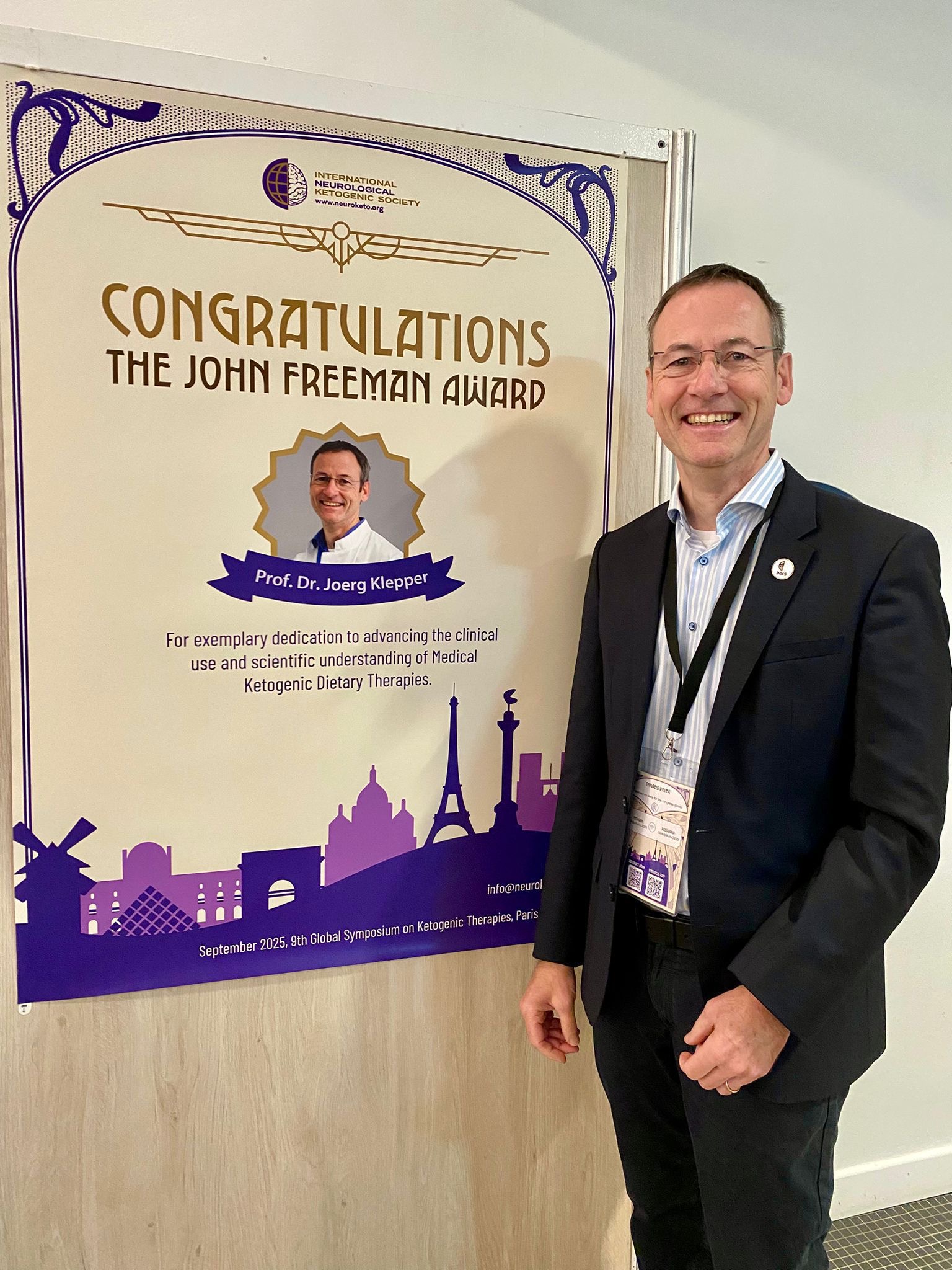
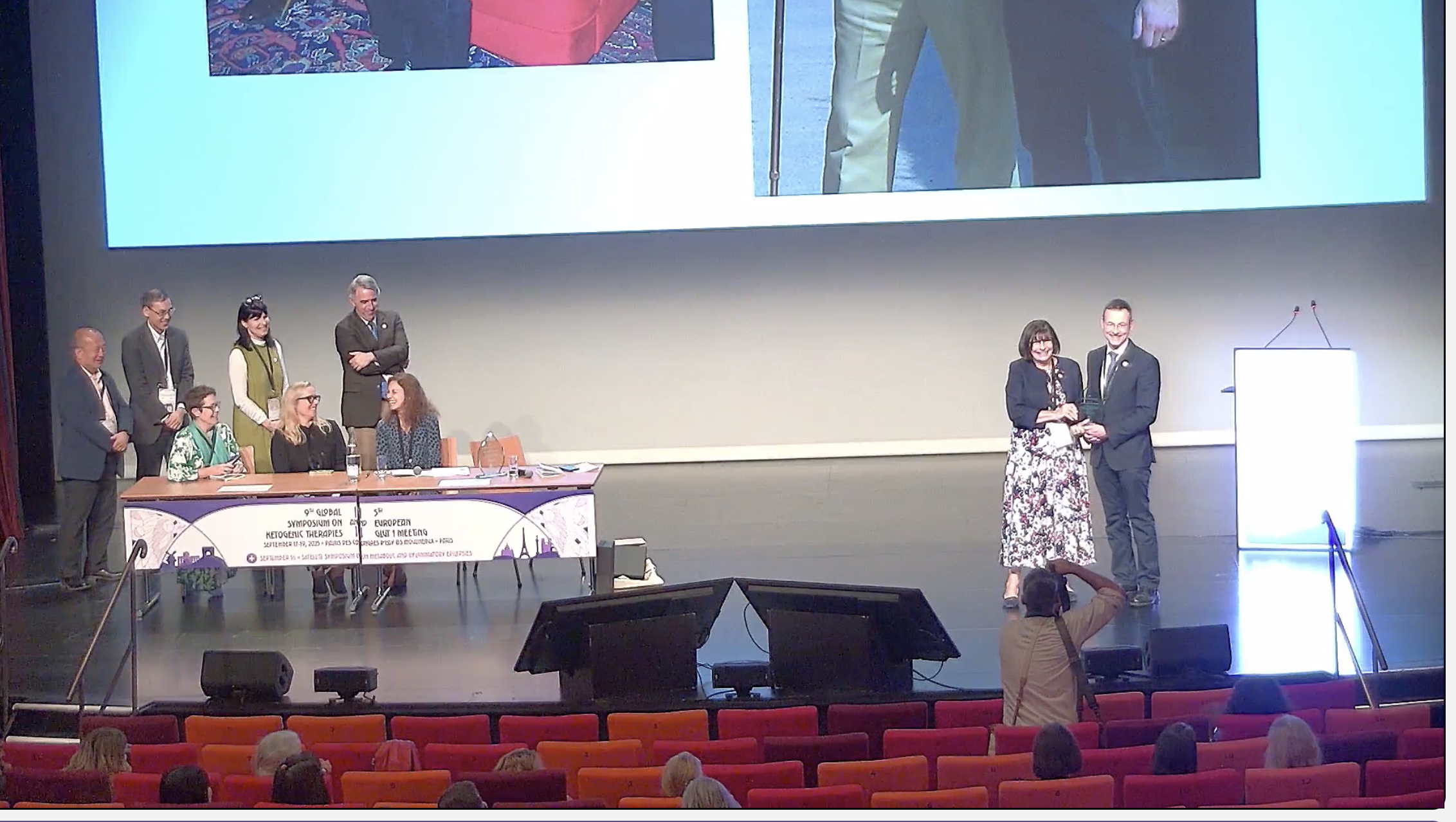
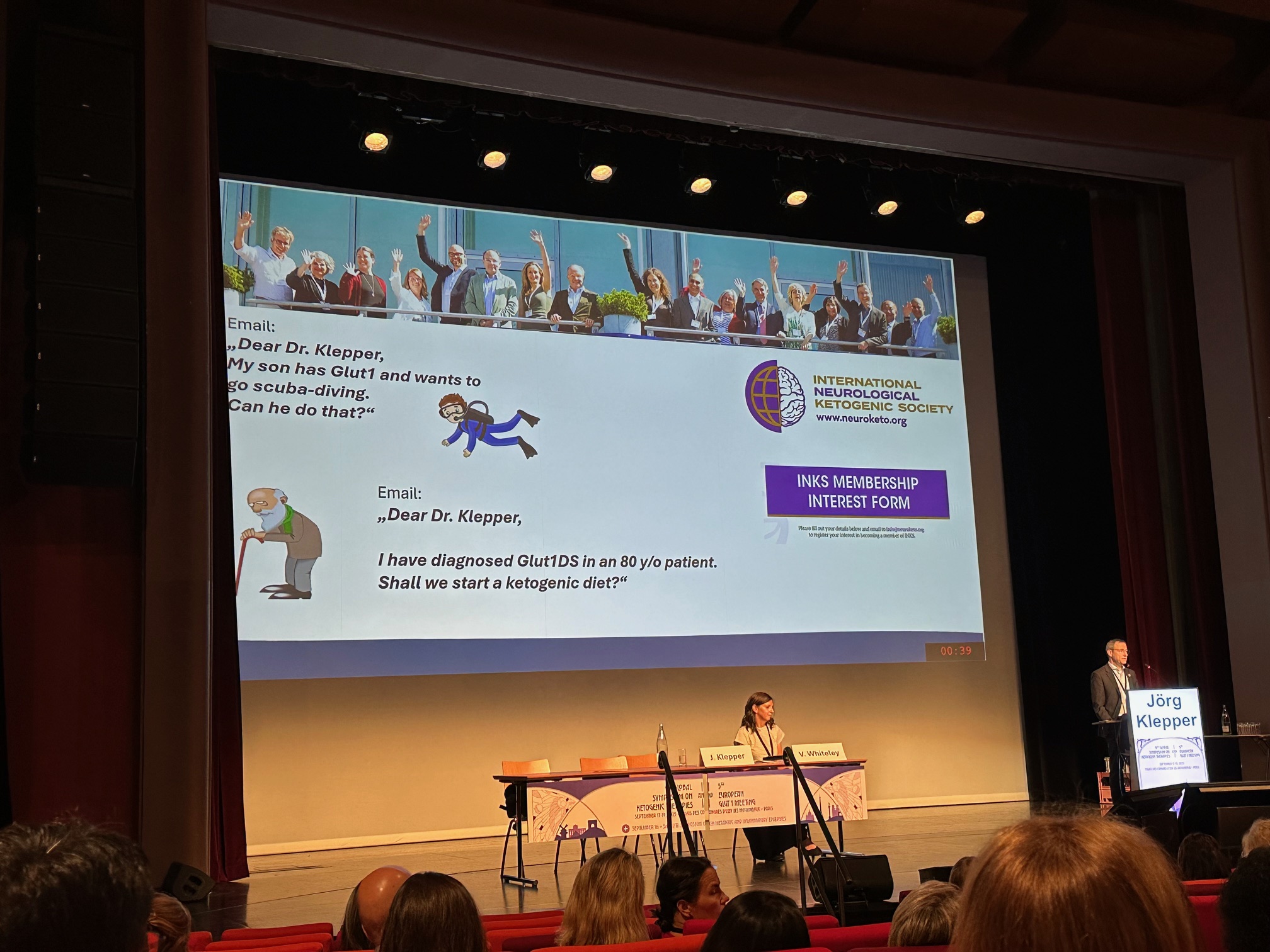
Professor Dr. Jörg Klepper – a beloved member of the global GLUT1 community – was presented with the John Freeman Award to honor physicians who are recognized for impactful contributions to the field of ketogenic therapies, but most importantly, those who have carried the torch with spirit and dedication. - Growing Applications
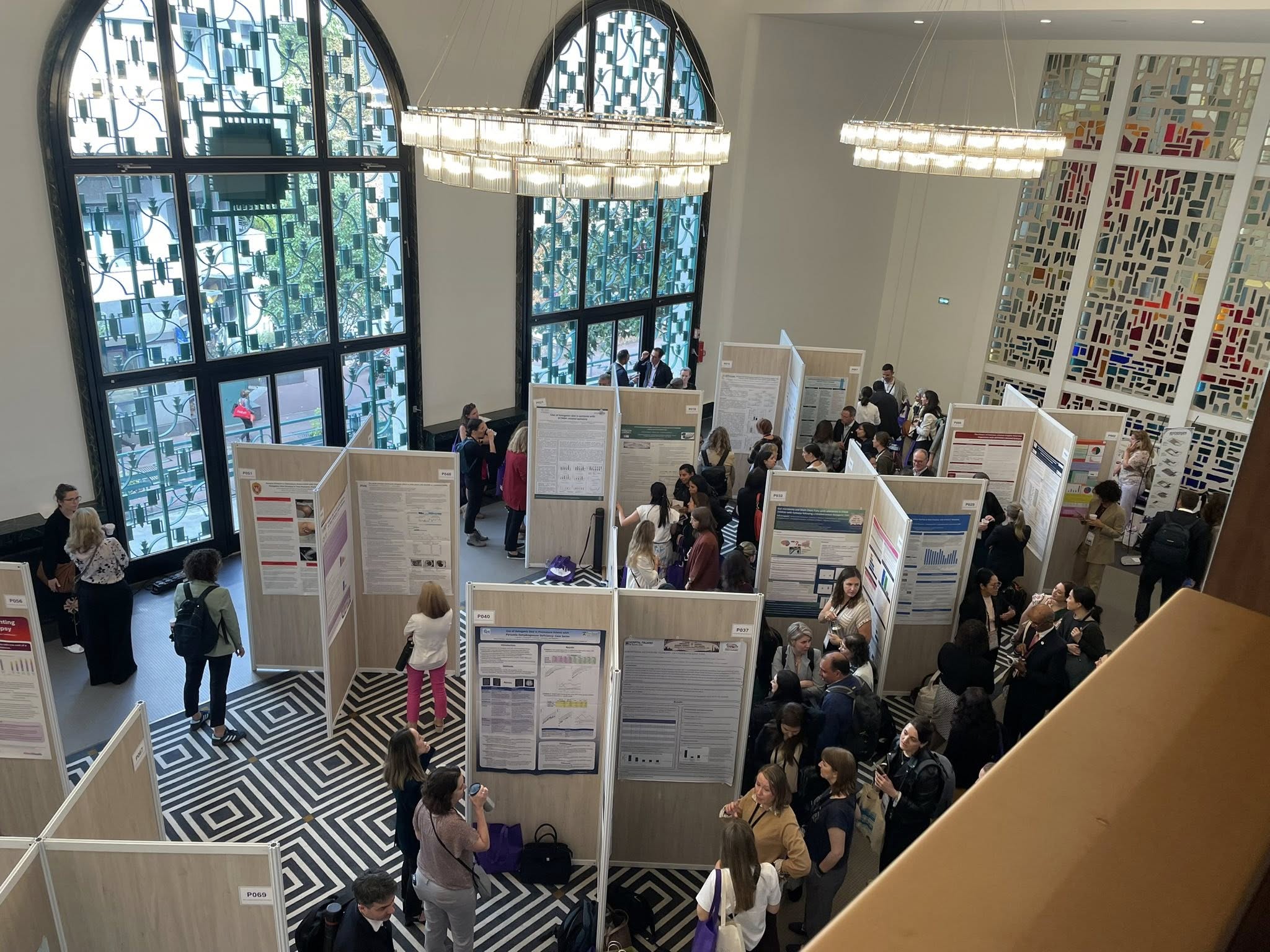
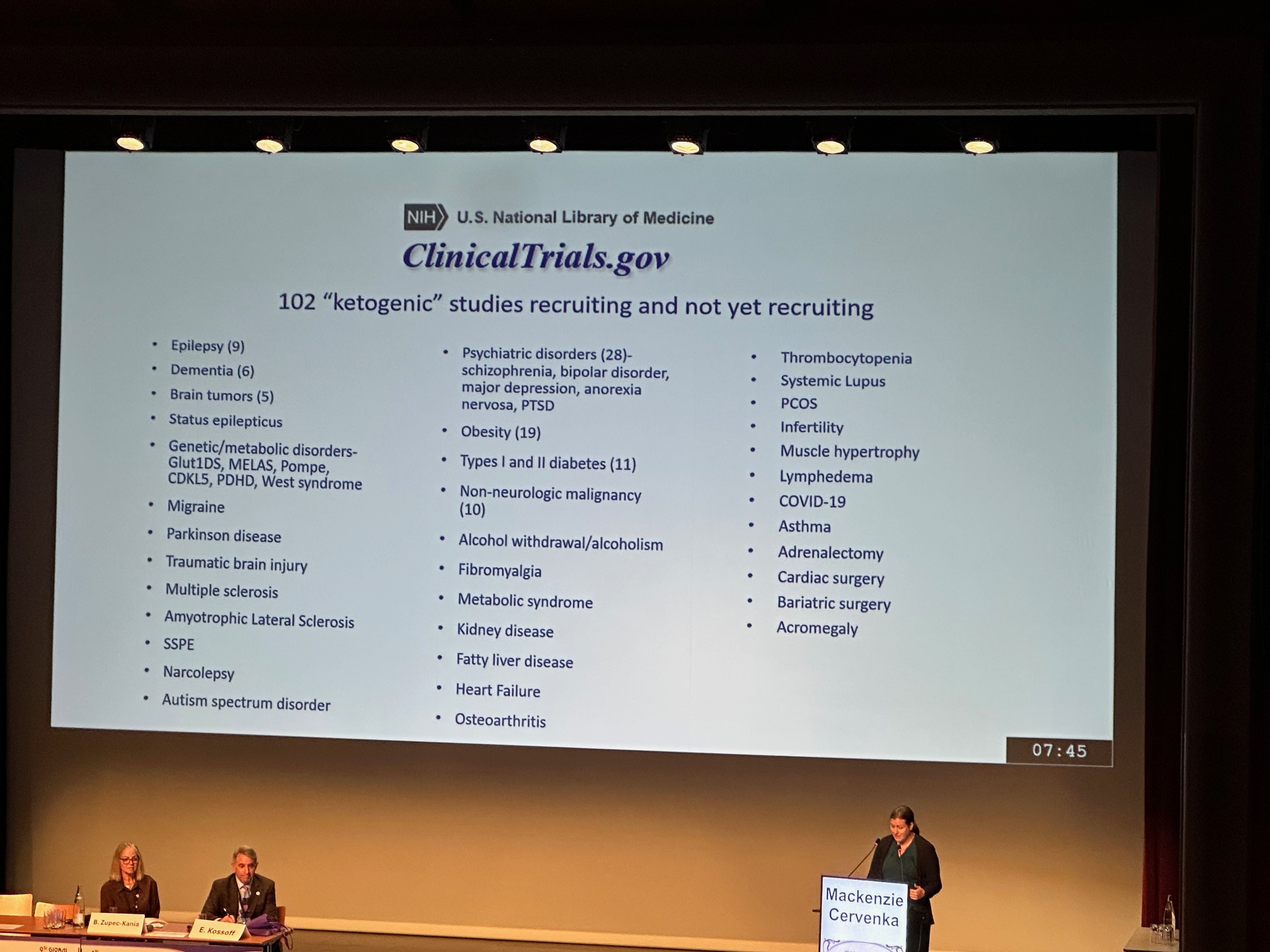
The case studies and information on the benefits of ketogenic therapies beyond seizures continues to grow. Information was shared in presentations, flash talks, and posters that add to the clinical spectrum of potential applications – mitochondrial disease, metabolic syndromes, multiple sclerosis, brain tumors, melanoma, sleep and memory impacts, neurodegeneration, neuroprotection, neuroinflammation, autism spectrum disorders, bipolar disorders, ADHD, depression, schizophrenia, selectively altering the gut microbiome, and in the settings of adulthood, pregnancy, lactation, and emergency care.
- Clinical Management and Safety
Several sessions addressed safety monitoring, how to manage adverse effects, and improving support frameworks (dietitians, metabolic specialists, etc.). There was ongoing recognition that ketogenic therapy is powerful but needs robust support systems for patients and families to sustain it. - Future Directions: Research Gaps and Innovation
Some of the forward-looking topics included:- Better biomarkers and imaging techniques
- Longitudinal studies to assess long-term outcomes (neurological, metabolic, developmental – beyond seizures)
- Novel therapies or adjuncts to diet (e.g. drugs, supplements, gut health)
- Improved formulation of dietetic products and nutritional support
- Access, equity, and cost issues, especially globally
Challenges Discussed
- Standardization is still an issue: different centers use different definitions, diet protocols, monitoring strategies. Frameworks for standards of care help ground treatment in best practices, but flexibility is still needed to tailor treatments to individual needs.
- The burden of adherence: nutritional strictness, monitoring, side effects, social impacts.
- Resource constraints: in some regions, access to specialized dietary support, trained clinicians, or detailed monitoring (labs, biomarkers) is limited.
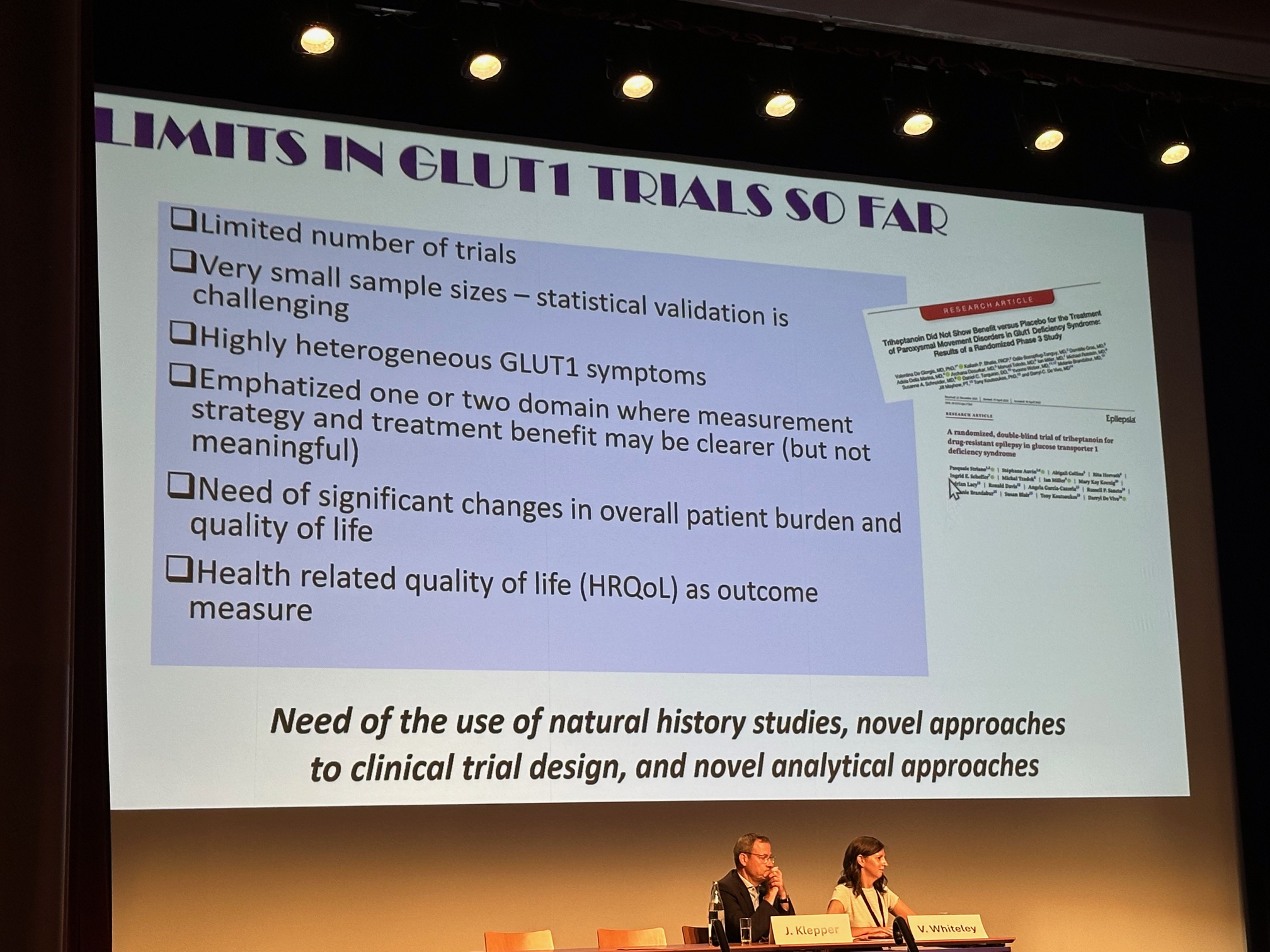
- Long-term data scarcity: we need more studies following patients over many years to understand developmental, neurological, and metabolic consequences (positive and negative).
Implications and Take-Home Messages
- Personalization is more important than ever. The “one size fits all” ketogenic diet is giving way to tailoring based on age, condition, severity, tolerability, patient preference, and biomarkers.
- Multidisciplinary care is essential. Dietitians, neurologists, metabolic specialists, geneticists, and patient advocates all have roles. Support systems (for patients and families) are critical for successful long-term outcomes.
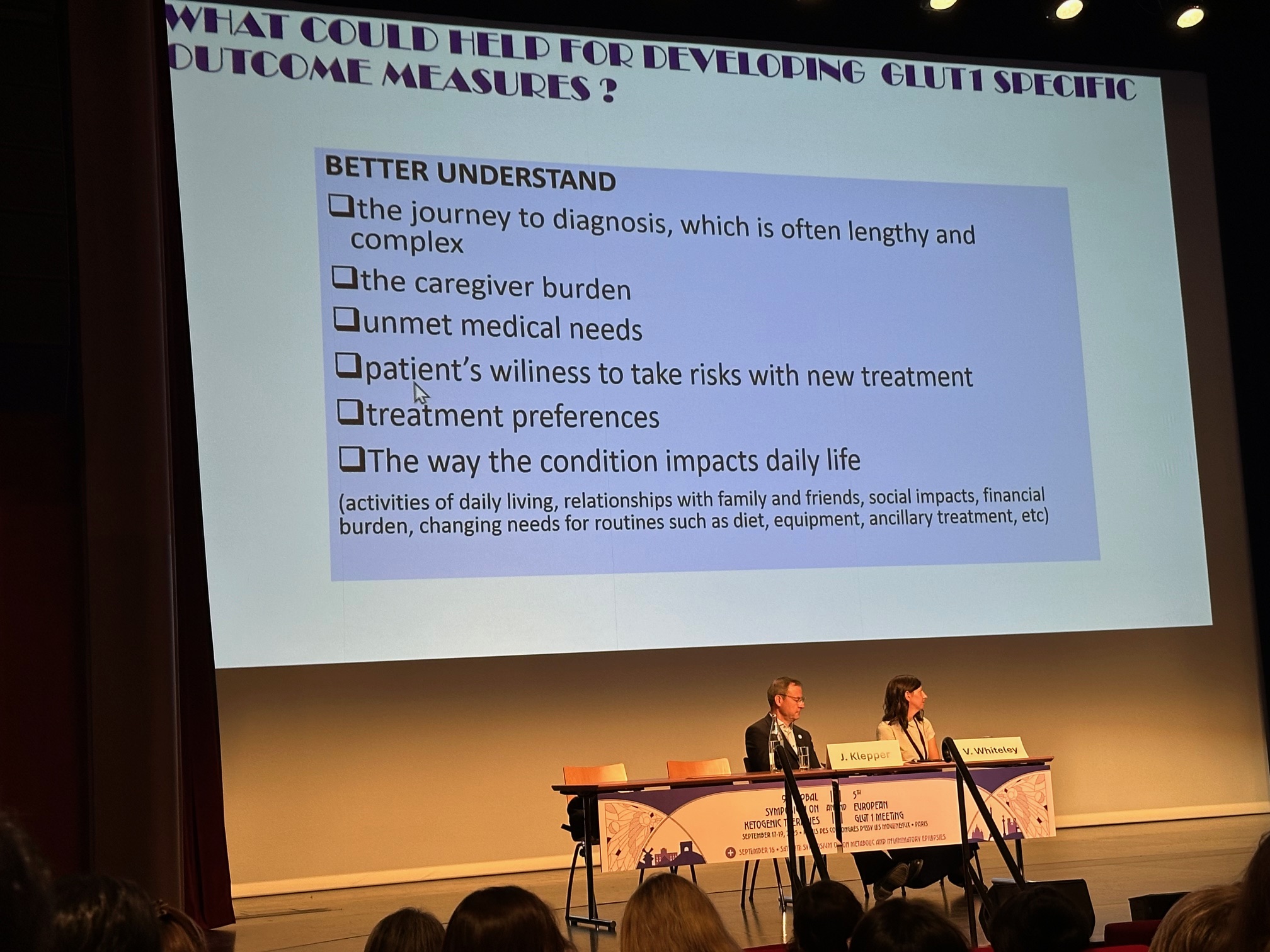
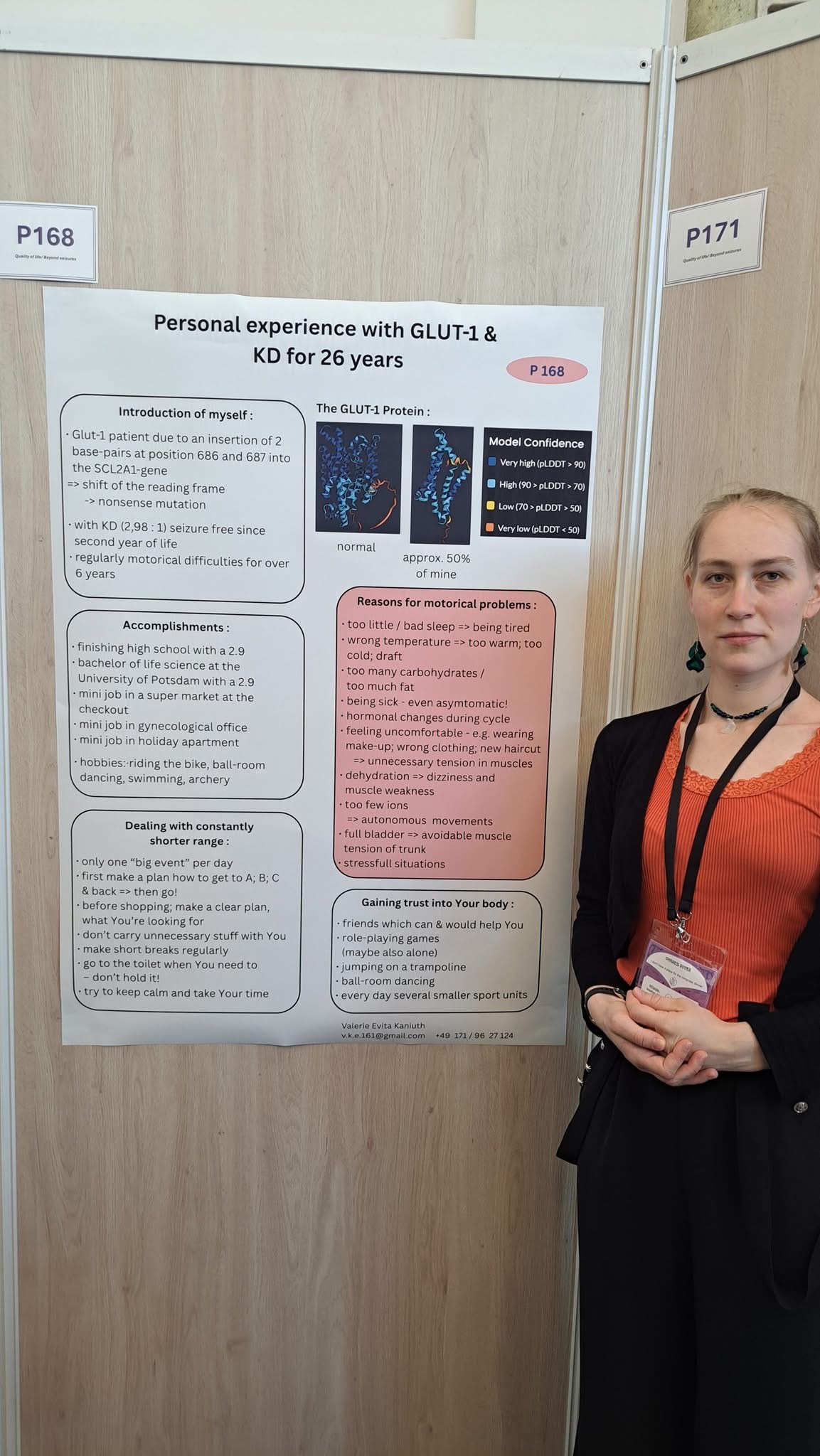
- Patient involvement shouldn’t be token: lived experience helps identify what success looks like beyond seizure reduction or metabolic markers (quality of life, developmental outcomes, social functioning).
- Collaboration across borders is yielding advantages: sharing protocols, sharing outcome data, establishing common frameworks. Joint meetings like this foster that exchange.
- Future research needs are clear: comparative trials of diet variants; robust outcome measures; safety and cost-effectiveness; innovation in dietary products and adjunctive therapies.
We are very grateful for all the hard work, planning, time, and effort that has gone into the meeting and for each person who attended. The next Global Symposium on Ketogenic Therapies will be held in 2027 in Cape Town, South Africa, and the 2027 European GLUT1 meeting will be held in Milan, Italy.


Related Posts