Science with Sandra: New Mouse Model for GLUT1 Deficiency


For this edition of Science with Sandra, I’d like to highlight an important research development from the RIKEN BioResource Research Center in Japan.
A New Mouse Model for GLUT1 Deficiency
In 2019, Dr. Tamio Furuse and colleagues at RIKEN published the paper “A new mouse model of GLUT1 Deficiency syndrome exhibits abnormal sleep-wake patterns and alterations of glucose kinetics in the brain.”
The team developed a mouse model through chemical mutagenesis, introducing a missense mutation in the SLC2A1 gene, which encodes the GLUT1 protein. This mutation allowed the mice to mimic many features of human GLUT1 Deficiency.
Key Findings
The mice demonstrated several hallmark symptoms seen in patients:
- Low CSF glucose
- Seizure activity and abnormal EEGs
- Learning and memory challenges
Interestingly, the mice also showed disrupted sleep patterns (more time awake, less deep sleep). While sleep disturbances have been noted anecdotally in some GLUT1 Deficiency patients, no comprehensive studies have confirmed how common they are.
- Our Collective Voices Survey found that 32% of participants reported sleep issues, though details on specific types were not collected.
- The Matrix Natural History Study is currently gathering data on sleep habits, but more participation is needed to draw clearer conclusions.
Why This Matters
This RIKEN mouse model closely reflects many symptoms experienced by GLUT1 Deficiency patients. It offers researchers a valuable tool to study the disease, how it affects patients, and test potential treatments beyond the ketogenic diet.
Making the Model Accessible
Easy access to reliable disease models is critical for advancing research and a needed area of support within the wider GLUT1 Deficiency research community. We reached out to Dr. Furuse, and the RIKEN team generously agreed to deposit their mouse model into the Mutant Mouse Resource and Research Centers (MMRRC) at UC Davis in California, making them available to any researcher in any location who is interested in using them.
Thanks to donations from our community to help with the specialized delivery process and shipping expenses, frozen sperm and embryos from the model traveled last week from Japan and are now being stored at the MMRRC. While it is not yet listed in their catalog, we will share updates as soon as it becomes available to researchers.
We are deeply grateful to Dr. Furuse, the RIKEN team, and all who made this possible. Their collaboration ensures this resource will help drive future discoveries and that research tools will be more accessible to anyone who wants to study this disease.
We are also thankful to Dr. Furuse for coming to our recent GLUT1 Deficiency Research Workshop in New York City to share more about the model, meet other researchers in the community, and begin planning collaborative projects.
Contributors at RIKEN
This achievement was made possible through the support of many dedicated people at RIKEN:
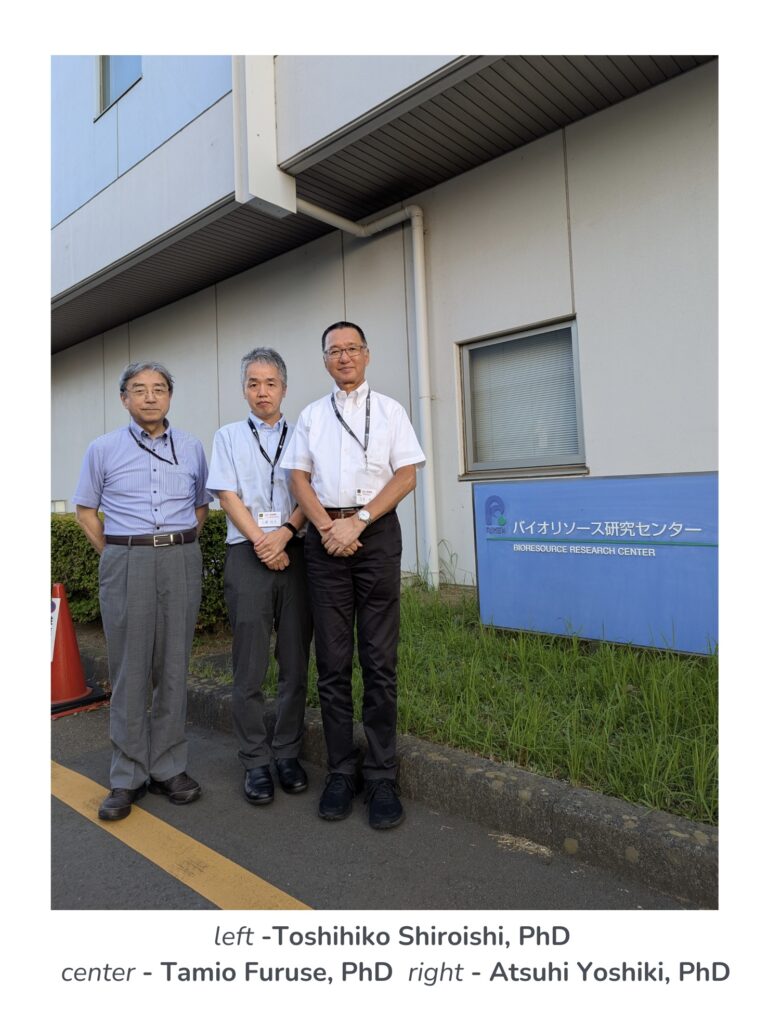
Toshihiko Shiroishi, Ph.D. – Director, RIKEN BRC
He oversees all research projects at RIKEN BRC, supervised the ENU mutagenesis project, and strongly supported the deposition of the Glut1DS mouse model to the MMRRC.
Experimental Animal Division, RIKEN BRC
Atsushi Yoshiki, Ph.D. – Division Director; Coordinator, RIKEN BRC
Provided expert guidance on repository selection and deposition procedures as a specialist in experimental animal research.
Mouse Phenomics Division, RIKEN BRC
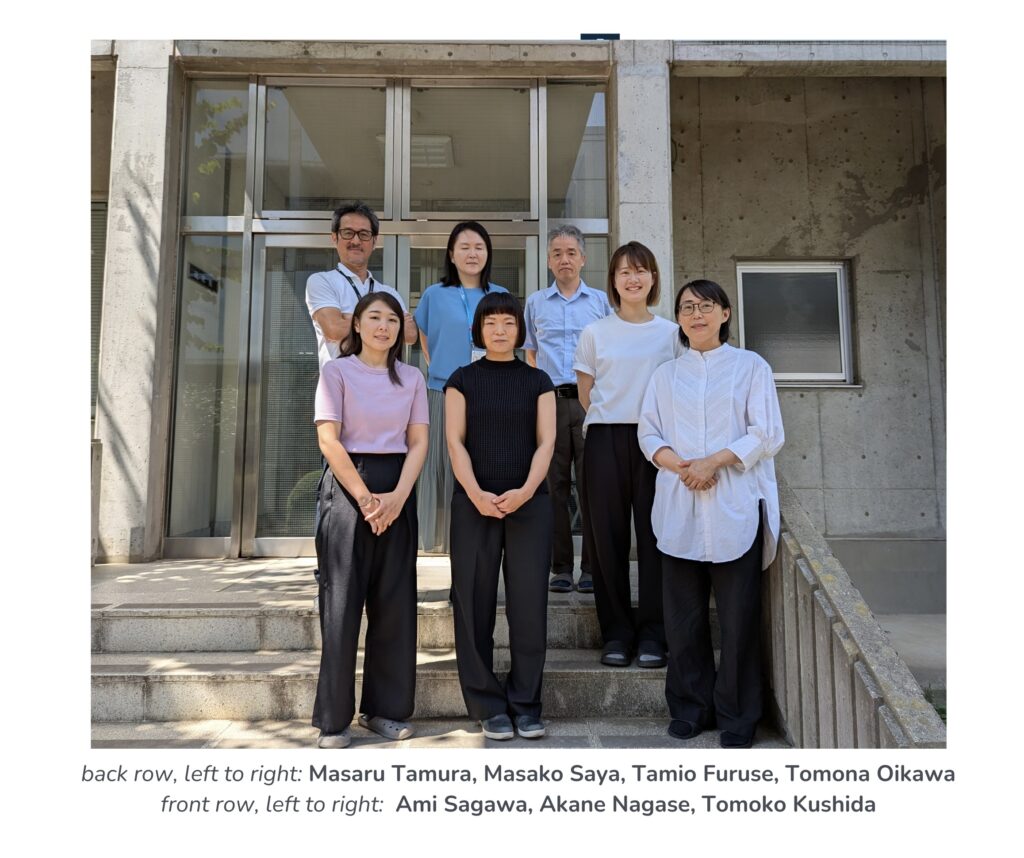
Masaru Tamura, Ph.D.
Division Director; Coordinator, RIKEN BRC
Supervised the deposition and currently oversees the ongoing research projects involving the Glut1DS mouse model and its applications.
Tamio Furuse, Ph.D. – Senior Research Scientist
Led the deposition to the MMRRC.
Tomoko Kushida – Technical Staff
Provides technical support for both colony maintenance and phenotypic analysis.
Akane Nagase – Technical Staff
Assists with colony maintenance and prepared cryopreserved germplasm for shipment using reproductive techniques.
Tomona Oikawa – Technical Staff
Assists with colony maintenance and prepared cryopreserved germplasm for shipment using reproductive techniques.
Ami Sagawa – Technical Staff
Provides technical support for colony maintenance, primarily through genotyping.
Masako Saya – Laboratory Assistant
Assisted with administrative procedures and paperwork for the deposition.
Learn more
For additional insight, you can read an interview with Dr. Furuse and Dr. Hiroshi Mizuma, published in 2019 alongside the original manuscript, where they discuss the significance of this model.
Thanks again to Dr. Furuse and all of his colleagues for their support and interest in helping our community – we are truly grateful.
Thank you for visiting our blog and please do not hesitate to contact me at [email protected] if you have any questions.