Asheville Summit Highlights


Hello and welcome to Science with Sandra!
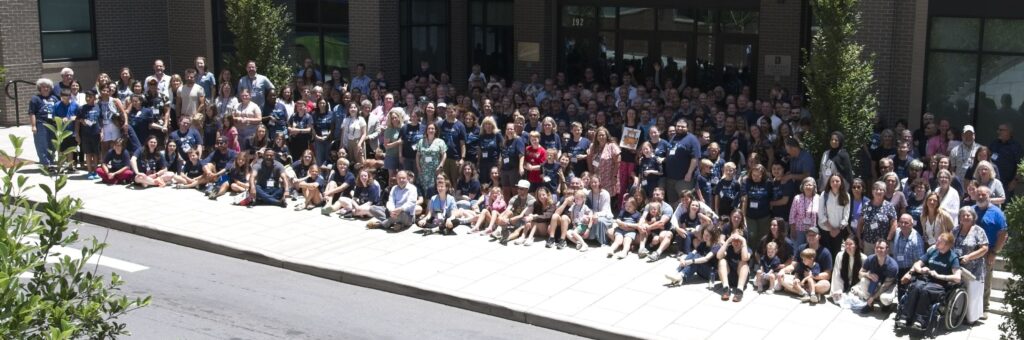
In this edition, I’d like to share some of the highlights from the GLUT1 Deficiency Foundation’s 2026 Summit in Asheville, North Carolina. Over two and a half days, researchers, clinicians, individuals living with GLUT1 Deficiency, families, and industry partners came together to share new discoveries, discuss emerging therapies, and strengthen the collaborations that continue to make meaningful progress.
One of the things I enjoy most about our Summit is seeing how much our community has grown. Every meeting welcomes newly diagnosed families beginning their GLUT1 journey alongside families who have been with us for many years. This year reminded us that there is always something new to learn, regardless of where you are on that journey.
Day 1: Special Interest Group Sessions
The first day kicked off with a series of focused breakout sessions designed for different segments of the community:
- Genetics 101 for Families, led by Rodrigo Starosta, MD, PhD
- GLUT1 101 for the Newly Diagnosed (topics and Q&A), with Cari Reeves as moderator, joined by Professor Dr. Joerg Klepper (disease overview), Eric Kossoff, MD (diet), Sandra Ojeda, PhD (research efforts led by the G1D Foundation), and Dana Pottschmidt, MSW (programs sponsored by the G1D Foundation)
- GLUT1 for Dads, with Brad Thompson, John Steele, and Matt Jones
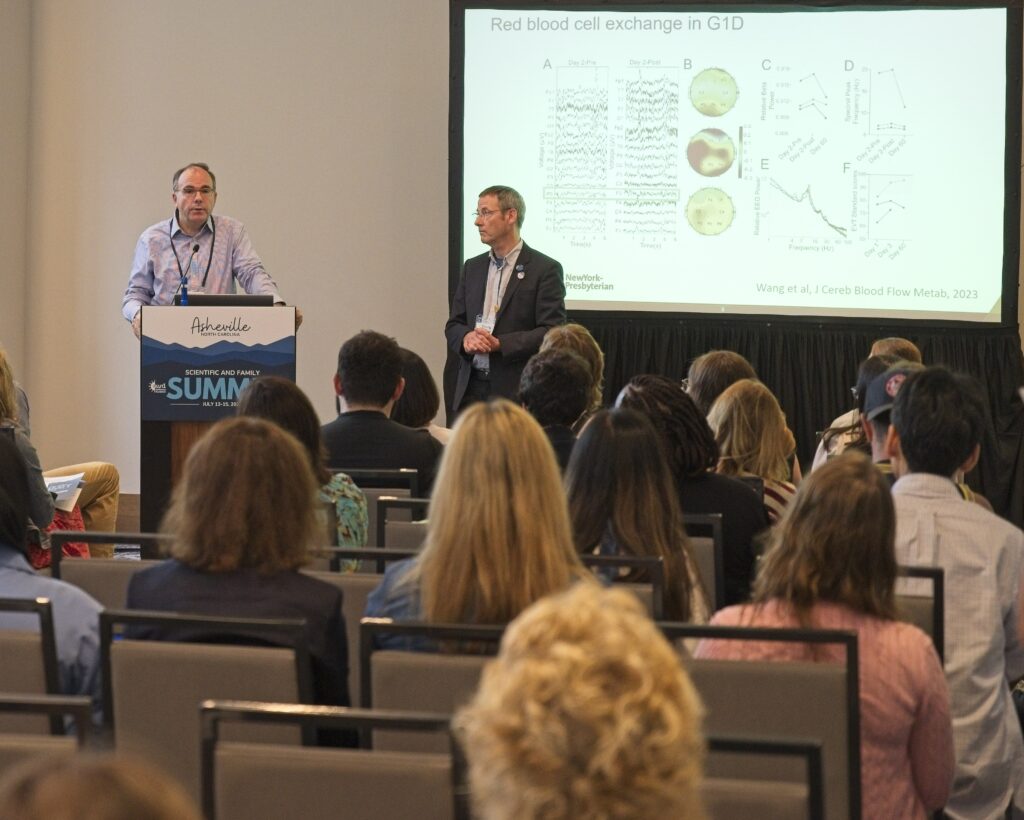
- Therapy 101: Making Sense of Emerging Treatments, covering the case for new treatments including small molecules (G1D Foundation), gene therapy vectors and CRISPR (Umrao Monani, PhD), ASO and RNA-based approaches (Casey Vickstrom, MD PhD), and alternative therapies like drug repurposing, RBC exchange, and C7 (Juan Pascual, MD PhD)
Genetics 101
Dr. Rodrigo Starosta, of Oregon Health and Science University, opened with the basics of genetics: genes act as an “instruction manual,” with more than 23,000 genes packed into each of our cells and organized into chromosomes. Each gene produces one or more proteins, and those proteins are what make our bodies function. The session also covered genetic testing types including single gene, whole exome sequencing and whole genome sequencing, among others. He also talked about how to interpret results, including the different categories of genetic variants. In addition, after the session, Dr. Starosta and Leah Wessenberg, a genetic counselor working with him, helped review genetic test results with families attending the conference.
Therapies 101
Dr. Joerg Klepper, Dr. Casey Vickstrom, Dr. Umrao Monani, and Dr. Juan Pascual discussed why new treatments are needed: the ketogenic diet does not work for every patient or effectively address every symptom. Therefore, there is a great need for other treatments that could help our loved ones living with GLUT1 Deficiency.
Other treatment approaches in development include:
- RNA and antisense oligonucleotides (ASOs)
- Viral vector-based gene therapy
- Nutritional therapies, oils, small molecules, and repurposed medicines
These sessions were planned for newly diagnosed families and families new to our conferences. To our surprise, many families who have been part of our community and who have participated in previous conferences also attended these sessions. It was wonderful to see the excitement around these talks and the great level of participation.
Day 2: Clinical Focus Sessions
On day 2 we dove deeper into specific symptom areas, pairing patients and family members with clinicians for a more personal look at how GLUT1 Deficiency affects daily life.
GLUT1 in Focus
Presented by Professor Dr. med. Joerg Klepper and Sandra Ojeda PhD (mother/Science Director GLUT1 Deficiency Foundation)
Professor Klepper shared an overview of the disease and patient experience.
- GLUT1 Deficiency is far more complex than just a simple energy failure condition. There is not a clear link between genetic variants and disease severity.
- The Ketogenic dietary therapy (KDT) does not work for everyone. In some patients the diet fails to control epilepsy or movement abnormalities for unknown reasons, despite compliance.
- There is a need for newborn screening tests for diagnosing GLUT1 Deficiency, and more treatment alternatives.
- Research studies in mouse models are helping to understand disease mechanisms and potential alternative treatments.
I shared insights of our natural history studies. Some of the highlights include:
- Our two complementary natural history studies combine patient-reported outcomes and data from electronic health records. Genetic data show significant genetic heterogeneity in study participants.
- GLUT1 Deficiency is much more than seizures. Most participants reported abnormal muscle function and motor impairment, and many experienced delayed walking milestones. Some experience behavioral issues such as attention deficits and anxiety, and related eye and vision problems that may be important but remain underrecognized.
- The real-world data obtained through these studies provides valuable insights that will help define disease progression, identify meaningful outcome measures, and support better design of future clinical trials in our community.
Cognition
Presented by Becky Olson, PhD (mother and professional) alongside Valentina de Giorgis, MD, PhD
- Cognitive challenges are a major manifestation in GLUT1 Deficiency patients.
- Executive function and language skills appear to be particularly vulnerable.
- The ketogenic diet helps improve cognition and behavior.
- Early diagnosis and dietary treatment offer major opportunities to preserve neurological development.
- Patients show wide neurological variability, and success in school depends heavily on support from parents and educators, flexible evaluations and accommodations based on cognitive needs can help.
Below you can find some resources that Dr. Olson has kindly shared with the community:
Social Stories | Pathway to Progress Insights
Cognitive impairment is one of the classic symptoms experienced by many patients with GLUT1 Deficiency. It is also one of the top three symptoms patients report wanting new treatments to address. This session was a great opportunity to highlight the burden this symptom places on our loved ones, as well as to emphasize the importance of further research on this topic.
Speech and Language
Presented by Chris (a patient), Ruth Braden, PhD, and Vikram Jakkamsetti, MD, PhD:
Chris shared his personal experience living with GLUT1 Deficiency. It was an inspiring presentation and we thank Chris for sharing his experience and tips on how to overcome some of the speech and language challenges experienced by our loved ones with GLUT1 Deficiency.
Dr. Jakkamsetti shared his work related to speech and language. His working hypothesis is that GLUT1 Deficiency patients have cerebellar deficits that lead to speech production problems. A study conducted during our summit in Dallas in 2024 found that patients in the community show instability in pronouncing certain vowel and consonant sounds. Mouse studies are being used to compare vocalization defects in mice and humans, and to identify the brain circuits involved and how they might be modulated.
The study led by Dr. Braden, which will soon be published, identified several speech deficits, including dysarthria, marked by imprecise articulation, inconsistent nasal resonance, and altered pitch, rhythm, cadence, and intonation.
Focusing this session on speech and language was a powerful way to highlight the difficulties patients in our community experience with this symptom. It was great to see renewed interest in better understanding both the underlying causes and the most common issues experienced by our loved ones. This growing attention, along with the upcoming publication on speech and language issues in GLUT1 Deficiency, opens the door to developing better strategies to address these challenges.
Movement
Presented by Reece (patient) and Bekah (mother), alongside Valentina de Giorgis, MD, PhD, and Toni Pearson, MD:
Reece shared his experience with the movement challenges he has lived through. It was a moving presentation, and he did a wonderful job. We thank him for sharing tips on how to overcome some of these challenges.
Bekah shared a wonderful story that is a reminder of how hard some things are for our loved ones with GLUT1, but despite the challenges, every step forward is meaningful for both our loved ones and their families. Thank you, Bekah!
Some of the information shared by Dr. De Giorgis and Dr. Pearson include:
- Patients experience both persistent movement issues (ataxia, dystonia, chorea, spasticity, speech difficulties) and paroxysmal episodes (eye and head movements, exercise-induced dyskinesias, among others), which can change over a patient’s lifetime
- Symptom severity can fluctuate due to fasting, exercise, infection, stress, or lack of adherence to the ketogenic diet
- Fine motor skills can also be affected
- These movement issues have real implications for daily life, school, work, and overall quality of life
Movement disorders are among the most common symptoms experienced by our loved ones. This session was a fantastic way to highlight the challenges experienced by patients and families alike. In addition, clinicians caring for these patients shared both established knowledge and new data emphasizing the implications for patients’ daily lives.
Seizures
Presented by Jill (mother) and Juan Pascual, MD, PhD:
Jill shared personal experiences of her child and the challenges seizures bring to their daily lives. She also brought a message of hope for a better future for all our loved ones living with GLUT1 Deficiency. We thank Jill for sharing her story!
Some of the key points shared by Dr. Pascual included:
- Seizures in GLUT1 Deficiency originate in the thalamocortical circuit.
- They occur due to reduced inhibitory neuron response in this brain region.
- Positron Emission Tomography (PET) scanning can be used for the diagnosis of patients with GLUT1 Deficiency who have not been fully characterized using genetic testing or other methods.
- Acetazolamide is an anti-seizure medication that has shown effectiveness for seizures in some people with GLUT1 Deficiency.
This session focused on seizures, which are one of the most common symptoms in GLUT1 Deficiency patients. Despite the great progress made in recent years regarding the origin of seizures, many patients continue to experience seizures that, in many cases, are not controlled by the ketogenic diet or anti-seizure medications. This session brought new, useful information for patients, families, and clinicians. It also underscored the challenges and knowledge gaps that still remain around this symptom.
The Ketogenic Diet
Presented by Millie and Erin (daughter and mother), alongside Eric Kossoff, MD, and Marisa Armeno, MD, PhD:
Erin and Millie shared their experience using the ketogenic diet, along with the challenges and benefits it has brought. It was an inspiring presentation, and we thank them for sharing their story with us!
Dr. Armeno shared that recent studies from the US, Argentina, and Chile show that excellent seizure control can be achieved with a more individualized, less restrictive ketogenic diet. These approaches include lower ketogenic ratios, modified ketogenic diets, and the addition of medium chain triglyceride (MCT) oil. These modifications can make the diet more flexible and even improve dietary adherence and better quality of life. Her presentation also talked about the concept of ketogenic diet resistance.
Dr. Kossoff shared data from his recent publication on puberty in GLUT1 Deficiency patients. Below you can find some important points:
- Movement disorders worsen during puberty for most patients, and in some cases seizures worsen too.
- Other symptoms that emerge during puberty include mood changes (especially in females) and migraines.
- Symptoms in females tend to worsen during menstruation.
- In some cases, ketone production also changes during this period.
The ketogenic dietary therapy remains the standard of care for our loved ones living with GLUT1 Deficiency. This session helped underscore the benefits the diet brings to patients who respond well to it, as well as the challenges it can bring, including the diet resistance that many in our community experience. In addition, the information presented on puberty in GLUT1 Deficiency highlighted the challenges this stage brings to our patients.
Clinical Trials
Presented by Rodrigo Starosta, MD, and Paul Thornton, MD, two active clinical trials were highlighted:
Does Diazoxide treatment increase blood plasma glucose in people with GLUT1 Deficiency? A study to identify proper dosing and potential safety concerns.
- Principal Investigator: Dr. Paul Thornton
- Study site: Cook Children’s, Fort Worth, TexasThis study is no longer recruiting patients.Results obtained thus far show that some patients can experience significant side effects including fluid retention, excessive hair growth, gastrointestinal issues and some respiratory issues.
- In addition, the results have indicated a slight increase in the amount of blood glucose which did not generate a significant increase in energy compared to the amount generated by a ketogenic diet. Therefore, Dr. Thornton emphasized that at this moment, Diazoxide is not a replacement for the ketogenic diet.
Phase II study exploring possible outcomes of fucose supplementation in GLUT1 Deficiency patients. A randomized, double-blind, placebo-controlled, crossover study.
- Principal Investigator: Dr. Rodrigo Starosta
- Study site: Oregon Health and Science University
- This study is currently recruiting adult patients.
- You can find more information about this study and how to participate following this link.
- You can find more information about this study and how to participate following this link.
The last session of the day was a fantastic way to end day 2, featuring two clinical trials that families in our community have helped make a reality through their donations. The fact that there are new people and new potential treatments in our community shows how far our community has come. We hope more treatment options are developed in the future that will benefit all patients in our community.
Day 3: Scientific Talks
We opened the day with a recap presentation by Professor Klepper from the talks on day 2.
Next, I presented on the results of the Research Ready Survey from 2023 through 2026. Some of the highlights of the presentation include:
- The goal of the survey was to evaluate patients and families’ research priorities, desired treatment outcome measures, and information regarding clinical trial participation including willingness to participate and barriers for participation.
- Patients and families prioritize research questions that are translational and clinically meaningful such as new and better treatments.
- Regarding outcomes for new treatments. The highest ranked treatment outcomes for patients and families were the ability to eat a normal diet, improved cognition and better speech and communication.
- Patients and families in our community are willing to participate in clinical trials. There is a wide interest in different therapeutic approaches with with oral therapies (such as pills or tablets) being the preferred option.
- Patients are also willing to use different outcome measures with bloodwork, cognitive assessments and speech and language assessments being the most popular.
- The findings of the survey demonstrate the importance of incorporating patients perspectives into clinical trial design to improve patient participation and their experience in these studies.
GLUT1 and Brain Metabolism, GLUT1 and Glycosylation
During these sessions, we explored foundational research. Presented by Caroline Pearson, PhD, Mark Beenhakker, PhD, Robin Williams, PhD, Matthew Gentry, PhD, Hudson Freeze, PhD, and Juan Pascual, MD, PhD.
- GLUT1 plays an important role in brain development.
- Reduced GLUT1 causes premature neuronal differentiation.
- Reduced glucose transport to the brain is, on its own, sufficient to cause progressive epilepsy.
- Protein glycosylation is important for proper protein structure, maturation, and cellular localization.
- Researchers are developing new animal models, including humanized mice and pigs
- GLUT1 protein is involved in L-fucose uptake.
- L-fucose is essential for fucosylation of glycoproteins, which influence cell signaling, immune regulation and development. GLUT1 disruption may disrupt these functions.
- Ongoing studies are focused on defining the molecular mechanism by which GLUT1 mediates or facilitates L-fucose uptake.
Clinical Research Session: New Approaches: Sleep Study
Presented by Mattia Bonzanni, PhD, Carlo Quaranta, MD, and Gauri Kathote, MS:
- Patients with GLUT1 Deficiency seem to have REM sleep disruptions that are more frequent than in healthy peers.
- Their sleep continuity is compromised.
- Having a better understanding of the sleep features in GLUT1 Deficiency patients could potentially help study the neurodevelopmental cognitive impairment in GLUT1 Deficiency due to the importance of a specific stage in REM sleep in memory.
Therapy Development Session: New Treatments on the Horizon
Looking ahead, researchers highlighted several promising treatment directions. This session was presented by Mariana Bollo, PhD, Casey Vickstrom, MD, PhD, Umrao Monani, PhD, Amy Lin PhD, Vincent Petit, DVM, PhD amd Pierre Magistretti, MD, PhD.
Small Molecules:
A novel G protein-coupled receptor agonist is being studied to determine its therapeutic potential to increase astrocytic bioenergetics. This means researchers are evaluating whether this molecule can increase ATP production in astrocytes. The results in human astrocytes are promising and the next step is to evaluate the effect of this molecule in a mouse model of Glut1 Deficiency.
Therapeutic Diets:
Decanoic acid can partially reproduce the metabolic changes induced by the ketogenic diet without the strict restriction of carbohydrates of the ketogenic diet.
Antisense Oligonucleotides (ASOs):
ASOs offer a targeted therapeutic approach that upregulates the remaining functional copy of the SLC2A1 gene, which encodes the GLUT1 protein. The current studies aim to block the negative regulatory elements that decrease SLC2A1expression, thereby increasing GLUT1 protein expression.
AAV-based Gene Therapy:
Currently, there are two strategies on this front. The first aims to deliver a healthy copy of the SLC2A1 gene using an adeno-associated viral vector (AAV); this approach has been studied in a Glut1 Deficiency mouse model with positive results. The second approach aims to deliver a copy of a long non-coding (lnc) RNA that regulates SLC2A1 expression, also via an AAV vector. Glut1 Deficiency mice treated with this approach have shown improvements in their symptoms, and both approaches have demonstrated favorable safety profiles in preclinical studies.
Additionally two industry partners presented their work. Dr. Lin from Lundbeck shared data from ongoing clinical studies with Bexacaserin, an investigational, selective serotonin 5-HT2C receptor agonist being evaluated as a potential treatment for Developmental and epileptic encephalopathies (DEEs). Dr. Petit shared updates of the METAglut1 blood test, a blood test that has been approved in France to help diagnose people with GLUT1 Deficiency.
The highlight of the scientific talks was that researchers are paying attention to the research priorities of patients and families in our community. The talks focused on topics that will help develop new and better treatments, gain a better understanding of the disease’s potential impact on other body systems besides the nervous system, and deepen understanding of the disease overall. Researchers are focusing their projects on patients and are more interested in addressing patients’ needs and wants. Another highlight was the collaborative efforts underway among many researchers in our community, as well as the working groups that have formed and are contributing to moving projects forward.
Day 3: Family Sessions
The conference closed with sessions dedicated to the lived experience of families affected by GLUT1 Deficiency, covering:
Adult Experiences:
Presented by Laura (mother), Mackenzie Cervenka, MD, Elizabeth Felton, MD, PhD and Kelly Faltersack, RDN:
Laura shared her son’s journey into adulthood, employment experience, independence and social supports in place to help him. Dr. Cervenka, Dr. Felton and Kelly shared information about adult GLUT1 Deficiency experiences:
- There can be a delay in diagnosis in adults with GLUT1 Deficiency syndrome.
- New symptoms are being discovered in adult patients including paroxysmal dyskinesias.
- Current treatments have variable success. Carbidopa-levodopa has shown benefits to treat movement disorders in adult patients.
- Discussions about the transition from pediatric to adult care should begin early.
- Start looking into clinics with an adult neurologist-dietitian team familiar with GLUT1 Deficiency and Ketogenic diet before transition – The Charlie Foundation database is a good resource for that.
- Catamenial symptoms, symptoms that correlate with the menstrual cycle, such as seizure and movement disorders, can be common in women living with GLUT1 Deficiency syndrome.
- During the menstrual cycle, ketone levels may decrease, making it more difficult to maintain ketosis.
- Some strategies that can help with these symptoms include decreasing the carbohydrate intake, increasing the fat intake and supplementing with MCT oil
Social Skills:
Presented by Carrie and Ben Wittenstein and Dana Pottschmidt, MSW
Carrie and Ben shared their experience living with GLUT1 Deficiency and autism, the social challenges around it and finding community. Dana led a session on building social skills, communication, confidence, and managing emotions. In addition, she led a Q&A session with the audience on practical strategies and resources.
Planning for the Future:
Presented by April Breen (mother), Danna Pottschmidt, MSW, Leslie Holleman (mother) and James Davis (Attorney/father)
April shared her journey with future planning for her child living with GLUT1 Deficiency including special needs trusts and guardianship. Dana, Leslie and James presented GLUT1 Care Binder and discussed long term planning with Medicaid, Social Security, and Trust/Saving Plans.
Family Experiences:
Presented by Jaqueline Kerrigan (sibling), Meredith and Julius (patient and husband), Brad Thompson (counselor), Marjorie Caro, MD (psychiatrist/mother), and Manual Melendez (psychiatrist, father).
Jaqueline shared the medical journey with her sister and the importance of sibling support in the family when there are special needs that require special attention. Meredith and Julius shared their relationship journey as husband and wife and how Julius has taken on caregiving roles.
Brad Thompson discussed creating and protecting healthy routines as caregivers and how to prioritize our time so that the things most important to us and our value systems get what they need first. Dr. Caro and Dr. Melendez shared some strategies for navigating the challenges of rare diseases – what they referred to their toolkit, which also included a big dose of “radical acceptance” of our situations and working hard to find joy even in the challenges.
Patients and families are at the center of our mission. The Family sessions underscored their experiences, challenges, and hopes for the future. They also featured talks with useful information and resources to help patients, caregivers, and siblings navigate life with GLUT1 Deficiency.
We thank all the presenters, individuals living with GLUT1 Deficiency, family members, clinicians, researchers, industry partners, and everyone who joined us in person in Asheville, North Carolina, or virtually. Your willingness to share your knowledge, experiences, and stories made this Summit a tremendous success. Together, we are building a brighter future for the GLUT1 Deficiency community.
You can find additional resources from the Summit on our website, and make plans to join us in 2028 in Gulf Shores, Alabama.
Thank you for visiting our blog and please do not hesitate to contact me if you have any questions at [email protected].