Diazoxide and Dr. Paul Thornton


Hello and welcome to Science with Sandra!
For this edition I would like to share some information about diazoxide, to help you have a better understanding of this drug in preparation for the upcoming clinical trial.
Diazoxide
What is it?
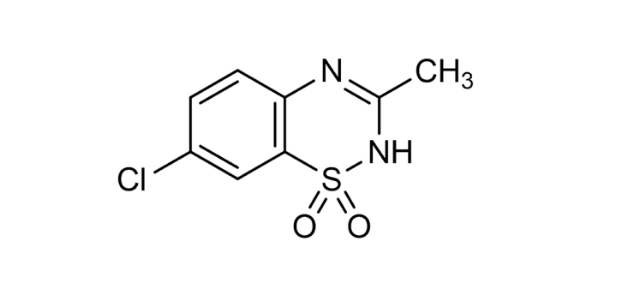
Diazoxide is a small molecule and an ATP-sensitive potassium channel opener (KATP-channel opener). KATP-channel openers are present in different tissues including smooth muscle cells, pancreatic beta-cells and various neurons. Diazoxide acts by binding to a specific receptor in the KATP-channel causing the channel to open and release potassium, this results in polarization of pancreatic β cells which is followed by the inhibition of insulin secretion.
Use
Diazoxide is used to treat low blood sugar (hypoglycemia) caused by hyperinsulinism and it is the first choice of treatment for congenital hyperinsulinism (HI). HI is a genetic disorder in which the pancreatic β cells secrete too much insulin causing a low plasma glucose.
What is the relationship with Glut1 Deficiency?
According to a case report by Dr. Santhi Logel, et al from 2021, Dr. Darryl De Vivo had used diazoxide in the past to treat five Glut1 Deficiency patients, however their treatment was complicated by persistent high sugar in their blood. The publication by Dr. Logel reported a more recent case of a Glut1 Deficiency patient who did not respond to the ketogenic dietary therapy, and who was treated with diazoxide in combination with continuous glucose monitoring (CGM). CGM was used to adjust diazoxide dosing to achieve a specific range of interstitial glucose.
Interstitial glucose is the glucose that is found in the interstitial fluid, which is the fluid that is in the spaces around cells. It comes from substances that leak out of blood capillaries and it helps to bring oxygen and nutrients to cells and to remove waste products from them.
The report showed a significant improvement in the patient’s CSF (cerebrospinal fluid) glucose value as well as her CSF to blood glucose ratio level. In addition, the patient was able to reach seizure freedom, she had a significant improvement in her cognitive skills, and was able to be more physically active.
The authors also reported some adverse effects the patient experienced including fluid retention, weight gain and other complications that were addressed by medications and dietary changes.
The authors of the report pointed out that the multidisciplinary team approach, which included neurologists, endocrinologists, a genetic counselor, nephrologist and nutritionist was critical to the patient’s success not only in managing her symptoms but also in her quality of life.
Dr. Logel presented at the 2022 Glut1 Deficiency Foundation Family Conference, and it featured a video of the Shelsta family talking about their experiences with diazoxide – Diazoxide: Old Drug, New Tricks.
Clinical trial
The upcoming clinical trial using diazoxide was the project selected for the Million Dollar Bike Ride grant for the 2024 cycle. The principal investigator for the project is Dr. Paul Thornton who is the director of Cook Children’s Endocrinology Department in Fort Worth, Texas, a world-renowned endocrinologist, and one of the main specialists in the HI community.
According to Dr. Thornton, the plan is to study diazoxide and a novel drug – diazoxide choline – which is a more palatable tablet formulation, to see if they can elevate the plasma glucose safely and effectively in children and adults with Glut 1 Deficiency Syndrome. They aim to:
1) determine if diazoxide and diazoxide choline increase plasma glucose levels measured by continuous glucose monitoring
2) compare effects of equivalent doses of diazoxide and diazoxide choline on CGM measured glucose
3) evaluate safety and tolerability of both forms of diazoxide
You can read more about Dr. Thornton and the background and connections in this earlier blog post announcing the Million Dollar Bike Ride grant. Dr. Thornton presented at the 2024 Glut1 Deficiency Summit – Normal Glucose Regulation and How We Can Change It.
The G1DF will organize a virtual gathering with Dr. Thornton as the guest speaker once the details are more final and the approvals from the Institutional Review Board are all in place. Dr. Thornton will share more information about the trial, what to expect and how to participate, and we will also invite families who have used diazoxide to answer questions.
You can send any questions you have about the trial to me at [email protected] and I will share them with him ahead of the meeting so we can make sure they are addressed.
Related Posts